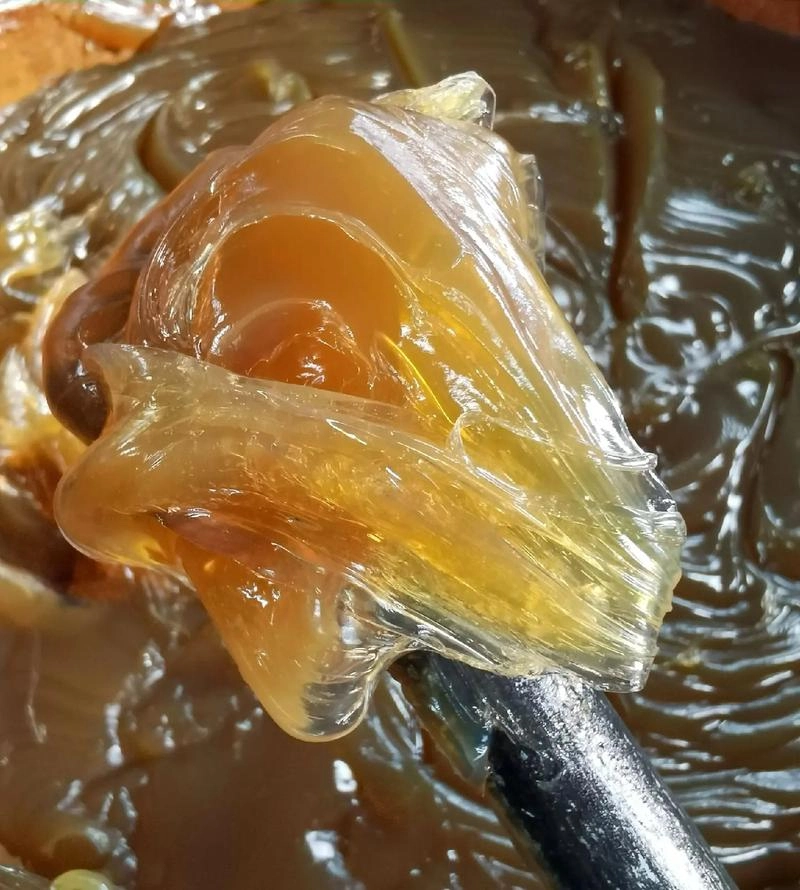
Automotive Gear Oil is a lubricant specially designed for friction pairs such as gears and bearings in automotive transmission systems. Its core functions are to provide lubrication, cooling, rust prevention and cleaning under severe working conditions including high load, low speed and shock load, so as to ensure the smooth operation of the transmission system.
It features excellent extreme pressure and anti-wear properties, which can effectively prevent gear tooth surface scuffing and wear; meanwhile, it has good thermal and oxidation stability to resist high temperature and avoid oil aging. In addition, it possesses reliable corrosion resistance and rust protection, and can maintain the cleanliness of the gearbox to extend the service life of the transmission system.
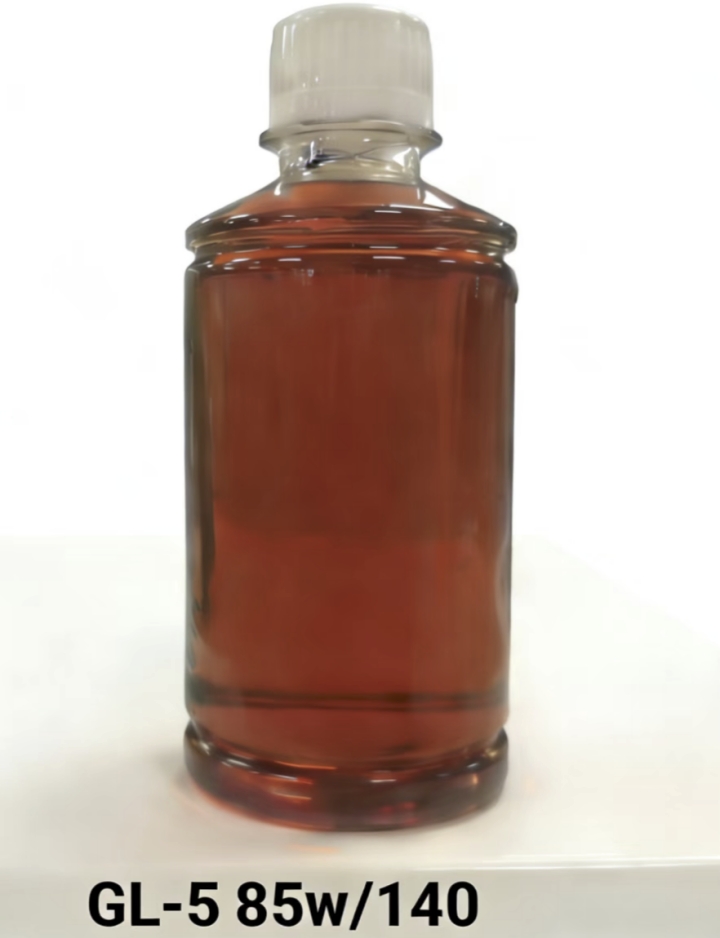
The product follows mainstream specification systems, including API (American Petroleum Institute) grades and SAE viscosity grades. For API grades, GL-4 is suitable for light-duty manual transmissions and non-limited slip differentials, such as passenger cars and light vehicles; GL-5 is applicable to heavy-duty applications, such as differentials and rear axles of trucks and off-road vehicles, with superior anti-scuffing performance. Common SAE viscosity grades include 80W-90, 85W-90, 75W-90, etc. The letter “W” stands for winter viscosity; the smaller the number, the better the low-temperature fluidity, while grades without “W” refer to normal-temperature viscosity.
With differentiated product categories for various working conditions, it provides general-purpose gear oil for normal working conditions and high extreme-pressure type (such as GL-5) for heavy-duty and off-road scenarios. It is suitable for a wide range of vehicles, including passenger vehicles, commercial vehicles, engineering machinery, etc., and is an essential consumable for the maintenance of automotive transmission systems.
Product Specifications
| Index Items | Test Standard | Typical Value | Significance |
| API Quality Grade | ASTM D2000 | GL-4 / GL-5 | Defines the load-bearing capacity and anti-scuffing performance. GL-5 for heavy-duty, high-load scenarios. |
| SAE Viscosity Grade | ASTM D2000 | 75W-90 / 80W-90 / 85W-90 | “W” for Winter. Lower number means better low-temperature fluidity; ensures proper lubrication at both cold start and high temperatures. |
| Kinematic Viscosity @ 40℃ | ASTM D445 | 115 – 150 mm²/s | Determines the oil film thickness at operating temperature; prevents excessive wear. |
| Kinematic Viscosity @ 100℃ | ASTM D445 | 13 – 18 mm²/s | Ensures viscosity stability under high temperature, preventing oil thinning and wear. |
| Viscosity Index (VI) | ASTM D2270 | ≥ 95 | Measures viscosity change with temperature. Higher VI means more stable lubrication in extreme weather. |
| Pour Point | ASTM D97 | ≤ -25℃ | Indicates low-temperature fluidity. Ensures the oil flows freely even in cold climates, protecting components from startup wear. |
| Flash Point (Open Cup) | ASTM D92 | ≥ 180℃ | Critical for safety. Prevents ignition under high-temperature operating conditions, reducing fire hazards. |
| Four-Ball EP Test (Weld Point) | ASTM D2783 | ≥ 400kg | Evaluates extreme pressure resistance. Guarantees lubricant film strength under shock and heavy loads, preventing metal welding. |
| Copper Strip Corrosion | ASTM D130 | 1a | Assesses rust and corrosion protection. Shows no corrosive effect on copper parts, ensuring long-term component life. |
| Water Separation Rating | ASTM D1401 | ≤ 30 min | Measures the oil’s ability to separate water. Prevents emulsification, which can cause lubrication failure and component damage. |
Product packaging information
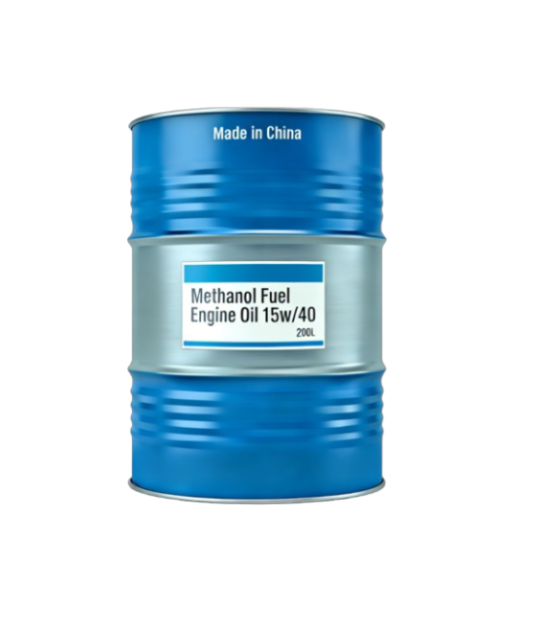
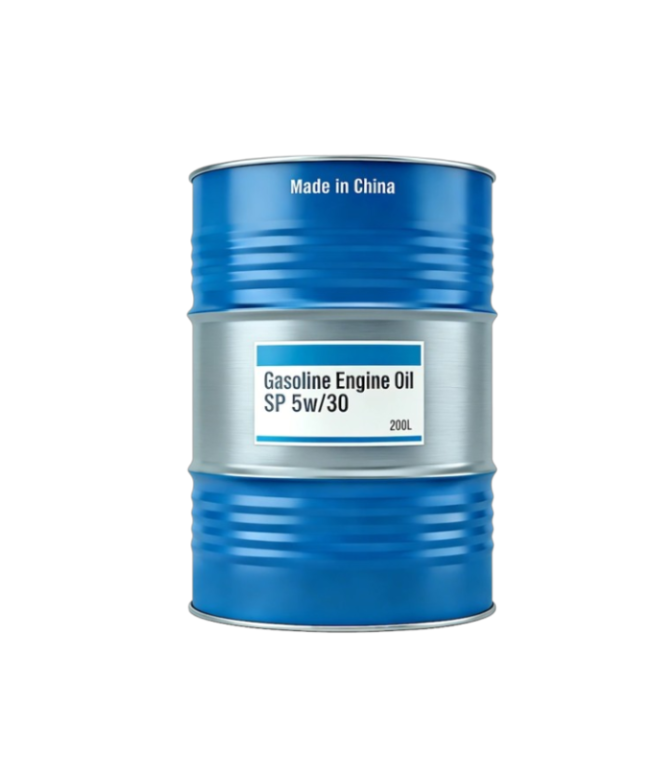
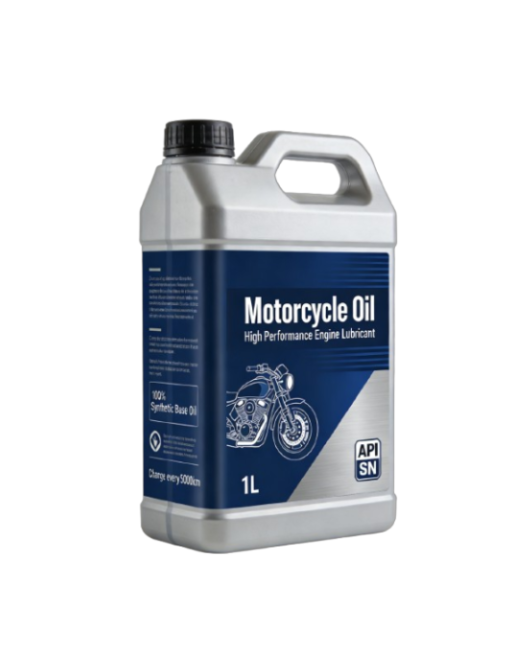
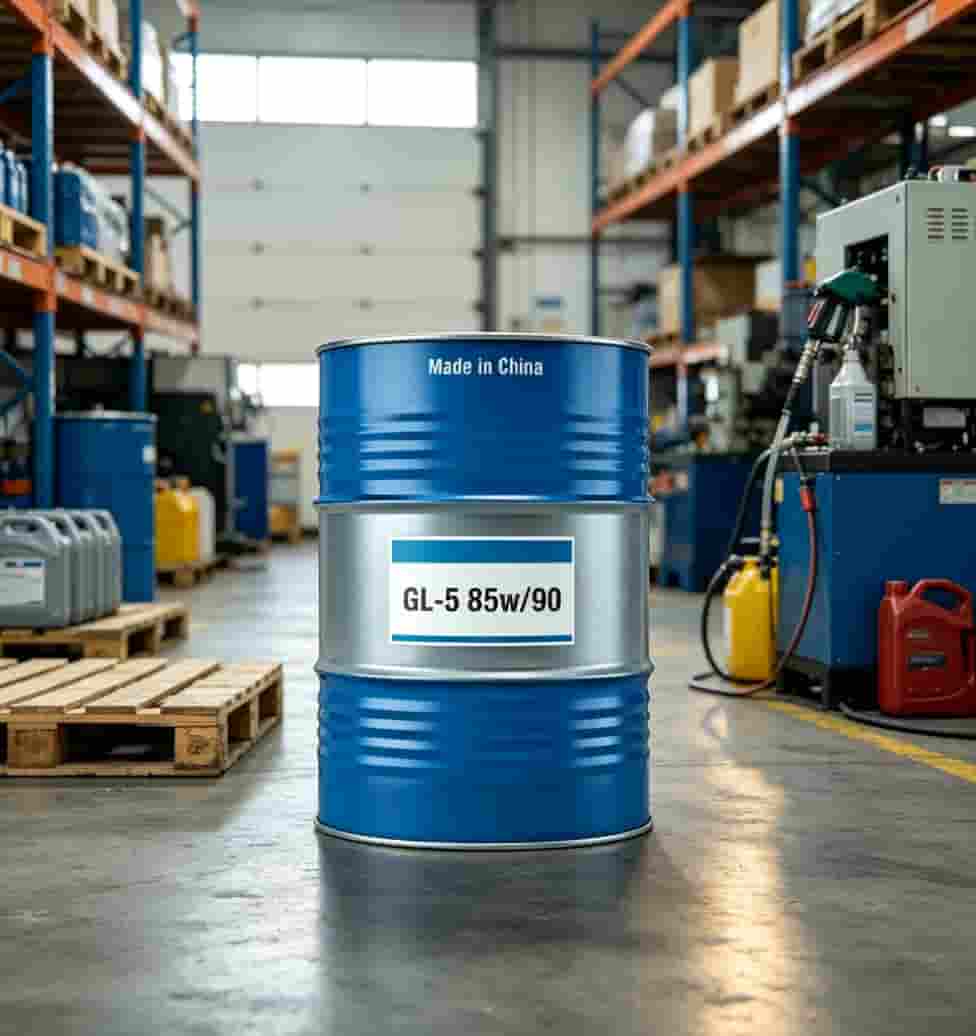
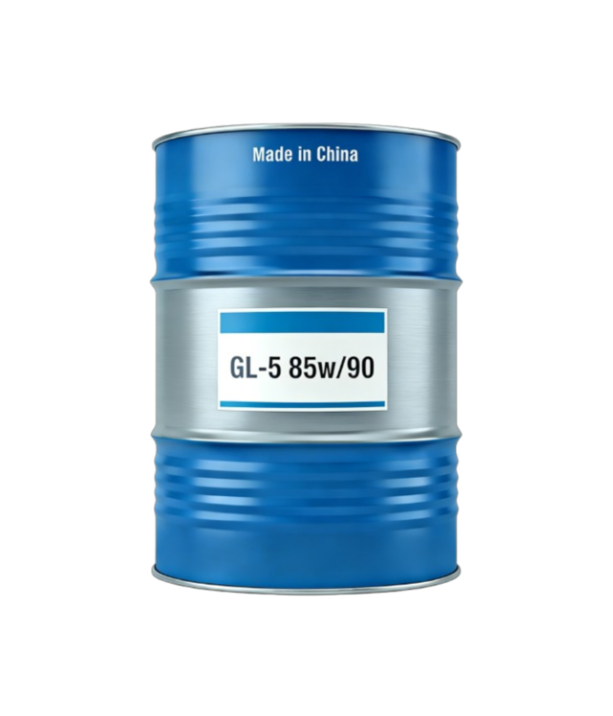
- Small: 4L/barrel, 18L/barrel
- Large: 200L/barrel, 1000L/IBC ton barrel
- Customizable: LOGO and product information (MOQ negotiable)