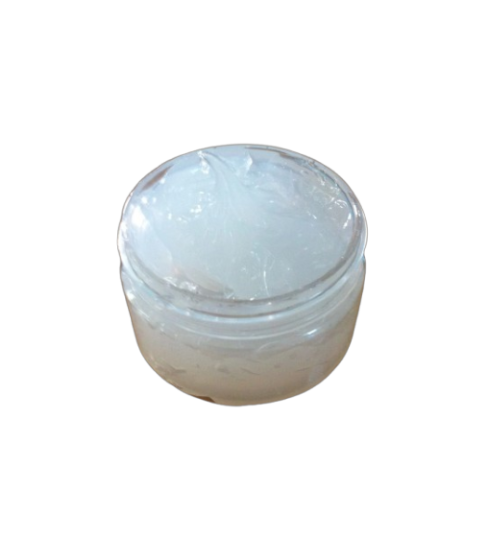
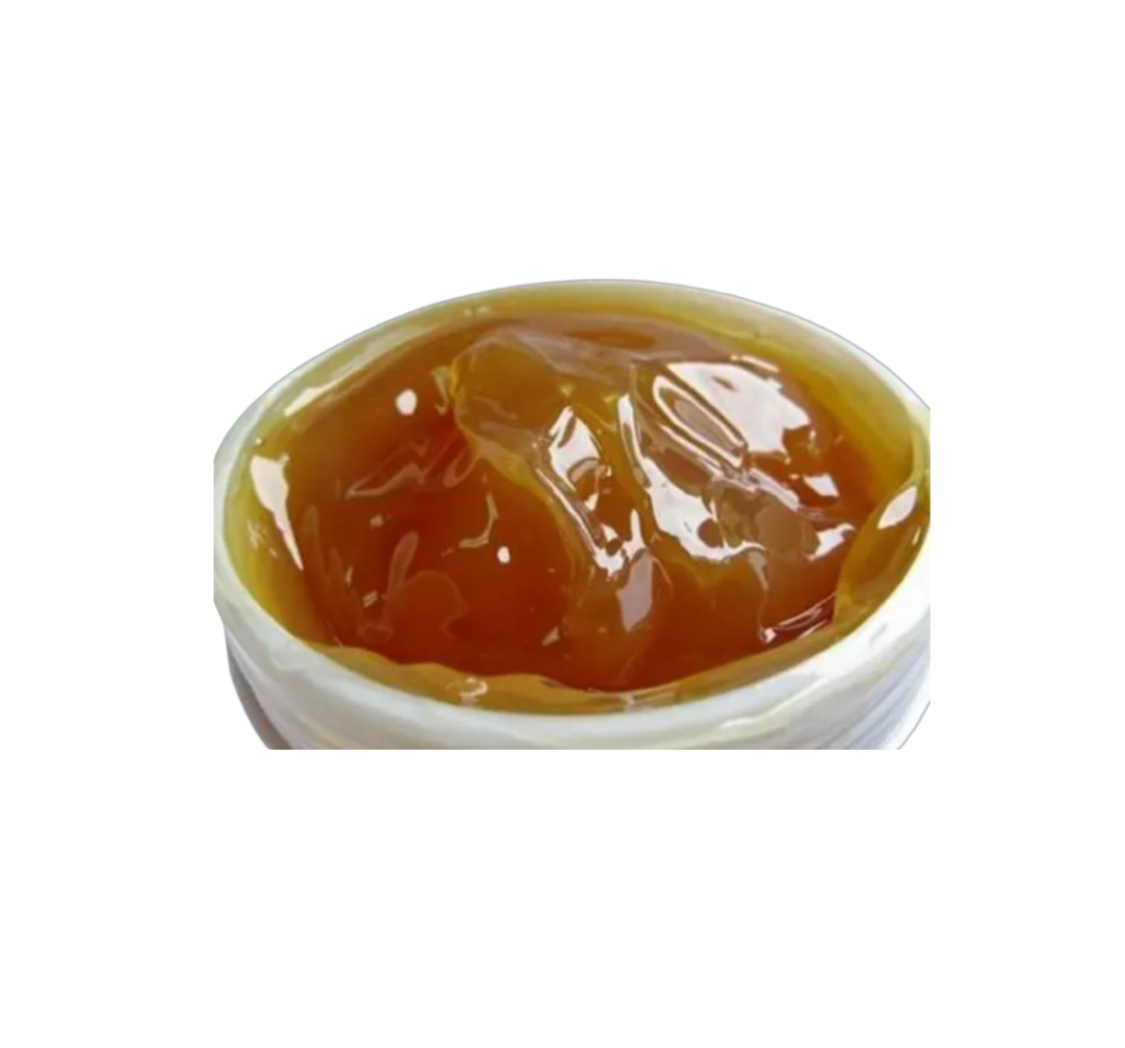
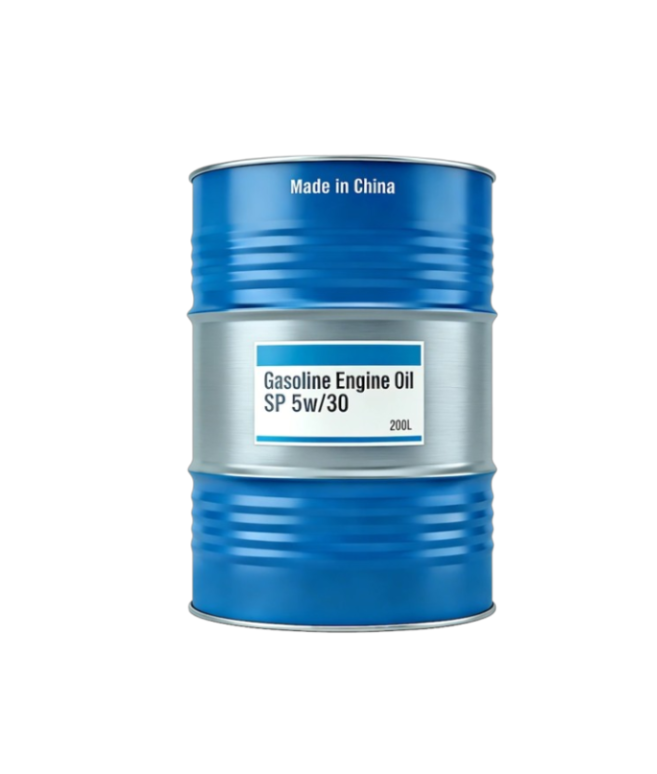
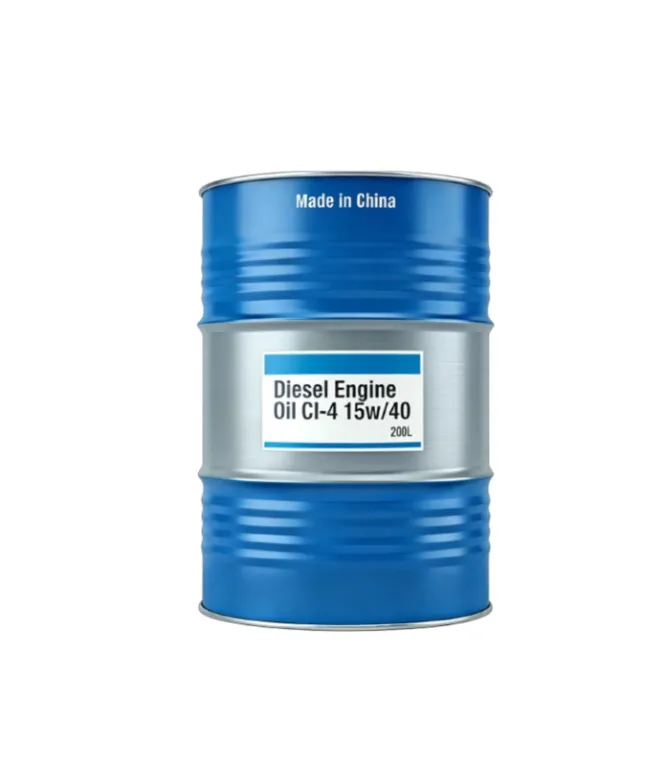
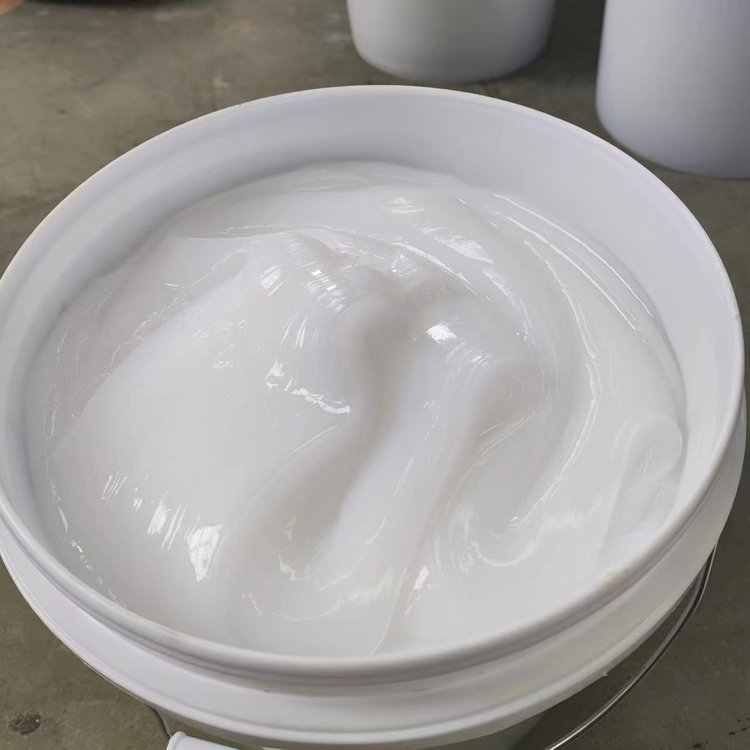
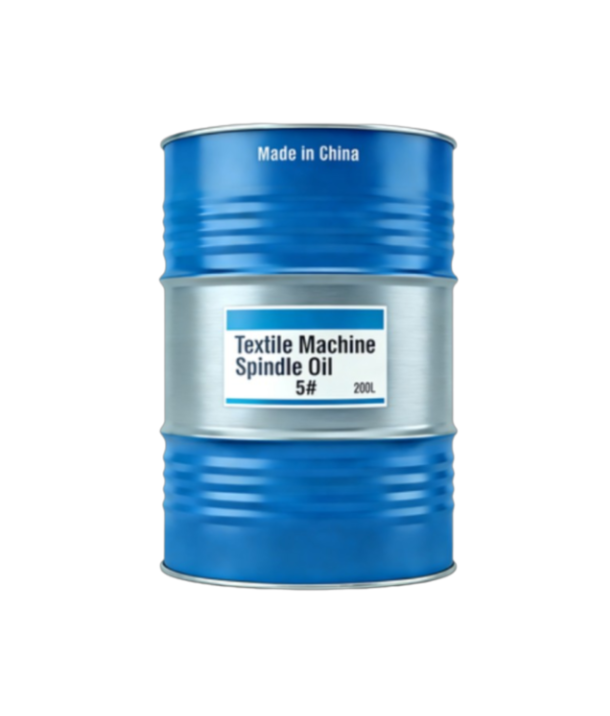
Textile lubricants are specialised formulations designed to reduce friction, heat, static electricity, and fibre damage during textile processing. They are applied to fibres, yarns, threads, and textile machinery to improve processing efficiency, protect materials, and ensure consistent production.
Depending on the process, they may be formulated for spinning, twisting, weaving, knitting, winding, and other textile operations. They can provide properties such as good fibre lubrication, antistatic performance, thermal stability, low residue, and compatibility with different natural and synthetic fibres.
Applications of Textile Lubricants
- Fibre spinning
This is applied during the spinning process to reduce friction between fibres and processing components. This helps to improve yarn formation and reduce fibre breakage.
- Yarn processing
This is used in twisting, winding, texturing, and other yarn processing operations to improve yarn handling and minimise friction and static build-up.
- Weaving
Lubricants help to protect the warp and weft yarns from excessive friction and mechanical stress during high-speed weaving operations.
- Knitting
Used to improve yarn smoothness and reduce friction between yarns, needles, and machine components to support stable knitting performance.
- Textile machinery
Specialised lubricants are also used on bearings, gears, chains and other moving components of textile machinery to reduce wear and maintain reliable operation of the equipment.
Textile lubricants FAQs
- What are textile lubricants used for?
They reduce friction between fibres, yarns and processing equipment during spinning, weaving, knitting and other textile processes. They can also help to control heat, static electricity and fibre damage.
- Which textile processes require lubricants?
Textile lubricants are commonly used in spinning, yarn processing, weaving, knitting, and textile machinery maintenance. The formulation may vary depending on the fibre type, yarn structure, machine speed and processing conditions.
- What properties should a good textile lubricant have?
A suitable lubricant should provide effective friction control, good thermal stability and antistatic performance, leave a low residue and be compatible with fibres and machinery. It should also be removable or washable if required by subsequent textile processes.
- Can textile lubricants be used on synthetic and natural fibres?
Yes, specific formulations can be designed for materials such as polyester, nylon, cotton, wool and blended fibres. The lubricant should be selected according to the fibre characteristics and the manufacturing process requirements.
- How do textile lubricants affect yarn quality?
Proper lubrication can reduce fibre-to-metal and fibre-to-fibre friction, thereby helping to minimise yarn breakage, fuzz, abrasion and heat generation. Consistent application can therefore contribute to smoother processing and more stable yarn quality.
- How should textile lubricants be selected?
Selection depends on the fibre or yarn type, processing stage, machine speed, temperature, static control requirements and the downstream finishing process. Compatibility with dyes, finishes, cleaning processes, and equipment materials should also be considered.