Automotive Lubricants

Featured products

Automotive lubricants are specialised fluids and greases designed to minimise friction, wear, heat, and corrosion between moving parts in vehicles. Developed for different automotive systems and operating conditions, they help components to operate smoothly while supporting durability, efficiency and reliable performance.

Common types of automotive lubricants include engine oils, transmission fluids, gear oils, hydraulic fluids, greases and speciality lubricants. Different formulations are designed to meet the requirements of engines, transmissions, axles, bearings, steering systems and other mechanical components. Depending on the application, lubricants may contain additives that provide oxidation resistance, corrosion protection, detergency, anti-wear properties, or enhanced temperature stability.

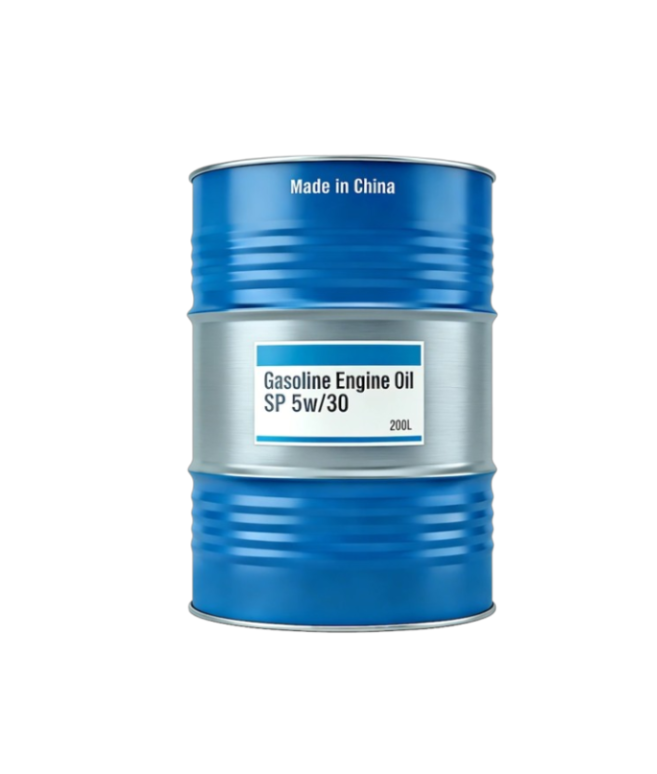
Synthetic Gasoline Engine Oil

This fully synthetic gasoline engine oil is formulated with high-quality base oils and advanced additive packages, covering mainstream viscosity grades including 0W-20, 5W-30 and 5W-40, and meets the latest API SP/SN PLUS quality standards. The product delivers excellent anti-wear protection, high-temperature oxidation resistance and low-temperature fluidity. It can effectively clean engine carbon deposits, reduce noise and improve fuel economy. It is suitable for various gasoline engines such as those in passenger cars and SUVs, including both turbocharged and naturally aspirated models. It is suitable for year-round use and available in multiple specifications of 4L and 1L, providing long-lasting, stable and all-round protection for engines.

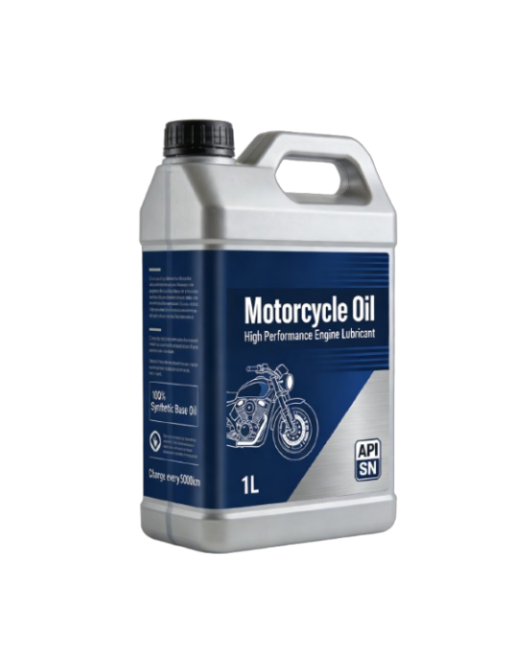
Motorcycle oil

Motorcycle oil is a special lubricant designed specifically for motorcycle engines and transmission systems. Its core functions include lubrication and wear reduction, cooling, detergency and dispersion, sealing protection, as well as rust and corrosion prevention. Unlike automotive engine oils, motorcycle oil must adapt to the characteristics of motorcycle engines: high rotational speed, high load, and compact structure (most engines and gearboxes share the same oil chamber). It also caters to the specific requirements of different engine strokes, engine displacements and fuel types. As a key supporting product, it ensures the long-term stable operation of motorcycles.

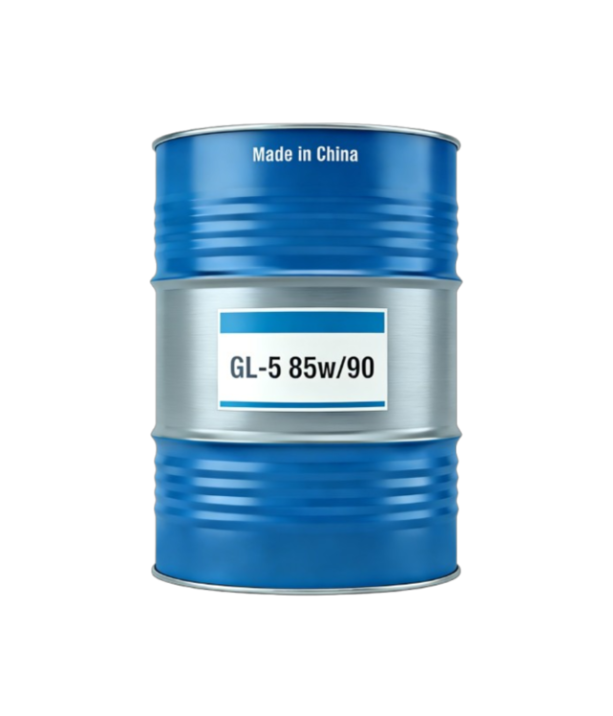
Gear Oil

Automotive Gear Oil is a lubricant specially designed for friction pairs such as gears and bearings in automotive transmission systems. Its core functions are to provide lubrication, cooling, rust prevention and cleaning under severe working conditions including high load, low speed and shock load, so as to ensure the smooth operation of the transmission system.

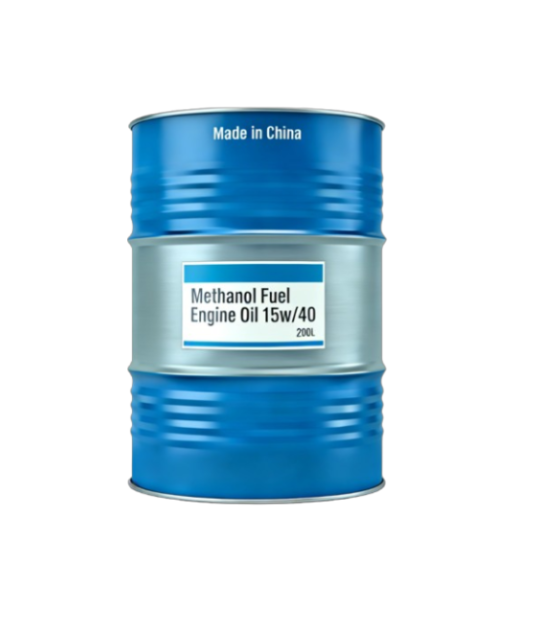
Methanol fuel engine oil

Methanol Fuel Engine Oil is a special lubricant designed for methanol-gasoline and methanol-diesel engines. It mainly solves the problems caused by methanol fuel, such as high corrosiveness, high hydrophilicity, poor lubricity, and easy formation of gum. Different from ordinary gasoline and diesel engine oils, it is a core supporting oil for methanol-fueled power equipment.

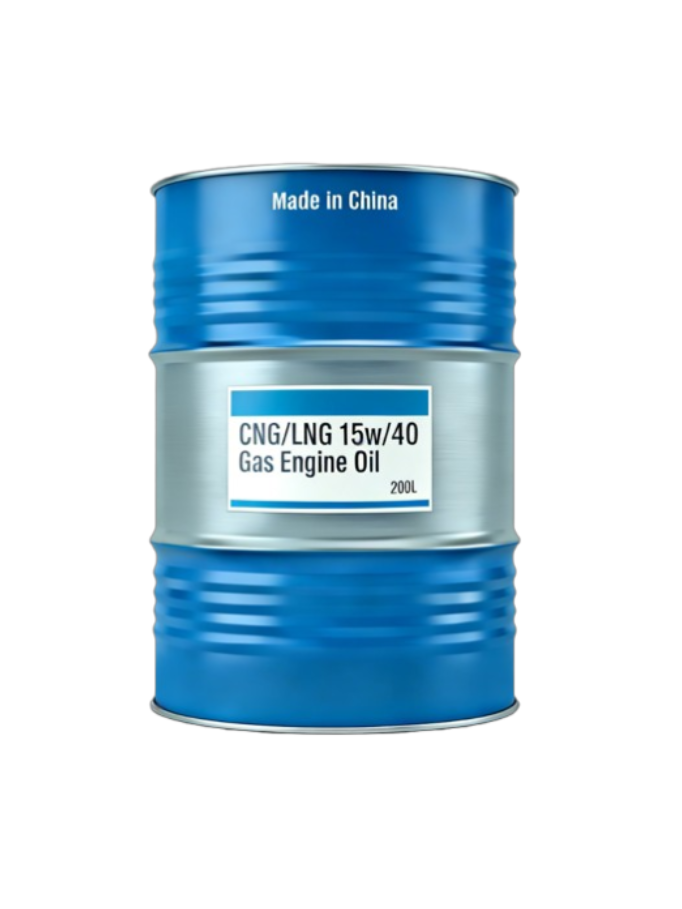
CNG/LNG Engine Oil

Gas engine oil is a special lubricating oil designed exclusively for engines running on gaseous fuels such as natural gas (CNG/LNG), liquefied petroleum gas (LPG), biogas, and coalbed methane. Compared with conventional gasoline and diesel engine oils, gas engines feature higher combustion temperatures, are sensitive to ash, and are prone to acidic corrosion and high-temperature oxidation. For this reason, the oil is required to have low-ash / ashless formulation, excellent oxidation resistance, high-temperature detergency, acid corrosion resistance, and extended oil drain intervals. It is widely used in gas-fueled buses, heavy-duty trucks, generator sets, marine gas engines, industrial power equipment and other fields. It is a key special oil that ensures stable operation of gas engines and prolongs the overhaul interval.

Railway Locomotive Engine Oil

Railway locomotive engine oil is a special lubricant developed specifically for diesel engines in railway diesel locomotives. It is formulated to adapt to the operating characteristics of locomotive engines, including high load, prolonged idling, continuous traction, and harsh working conditions (dust, vibration, large temperature differences). Its core functions are to lubricate, cool, clean, seal and prevent rust for key engine components such as pistons, crankshafts and bearings. It must also meet industry requirements for extended oil drain intervals, high anti-wear performance and strong oxidation stability. As a key consumable, it ensures the safe, stable and long-term reliable operation of railway locomotives.

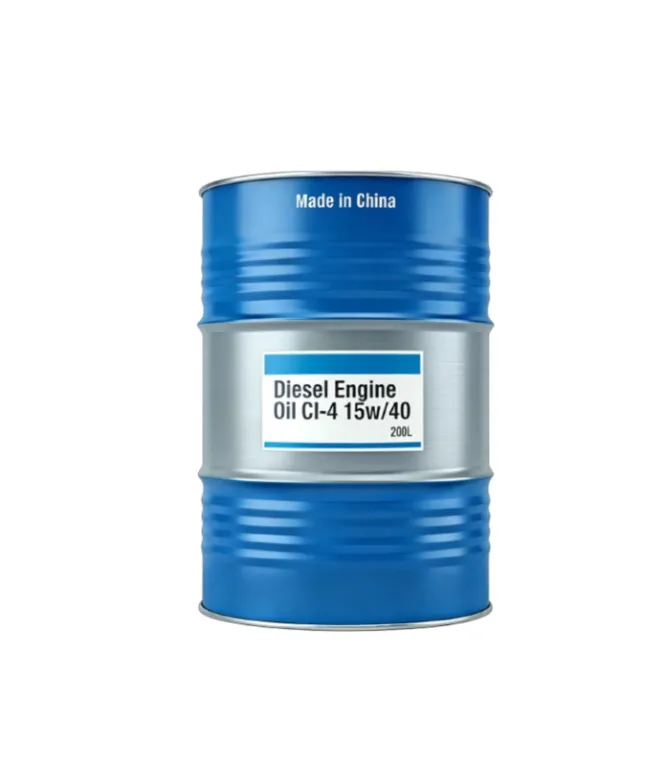
Diesel engine oil

Specially designed for heavy-duty diesel engines, it is suitable for diesel-powered equipment such as trucks, buses, construction machinery, generator sets, marine vessels and agricultural machinery, providing reliable lubrication and protection under high-temperature and heavy-load conditions.

Applications of Automotive Lubricants

  1. Engine systems

Engine oils lubricate the engine’s moving components, reducing friction and wear while helping to manage heat and control contaminants.

  1. Transmission systems

Transmission fluids and specialised gear lubricants protect gears, bearings, clutches and other transmission components, supporting smooth power transmission.

  1. Differentials and axles

Gear oils are used in differentials and axle assemblies to reduce friction and protect heavily loaded gears from wear and surface damage.

  1. Bearings and chassis components

Automotive greases are applied to bearings, joints, wheel components, and other areas where long-lasting lubrication and protection are required.

  1. Steering and Hydraulic Systems

Specialised hydraulic and steering fluids transfer hydraulic force and lubricate and protect pumps, valves, seals and other system components.

Automotive Lubricants FAQs

  1. What are automotive lubricants used for?

Automotive lubricants reduce friction, wear, heat, and corrosion in vehicle components such as engines, transmissions, gears, bearings, and hydraulic systems. They also help to ensure smooth operation and protect components in different driving conditions.

  1. What are the main types of automotive lubricants?

The most common types are engine oils, transmission fluids, gear oils, hydraulic fluids, greases, and speciality lubricants. Each is formulated for specific components and operating requirements.

  1. How do I choose the right automotive lubricant?

The lubricant should be selected according to the vehicle manufacturer’s specifications and the requirements of the component in question. Considerations should include viscosity grade, performance standards, operating temperature, and driving conditions. Using the recommended product helps to ensure compatibility and proper lubrication.

  1. How often should automotive lubricants be replaced?

The frequency of replacement varies depending on the type of lubricant, the design of the vehicle, the operating conditions, the mileage, and the manufacturer’s recommendations. Different maintenance intervals may be required for heavy loads, high temperatures, frequent short trips, and severe operating environments.

  1. Can one automotive lubricant be used for different vehicle components?

Not necessarily. Different formulations and performance requirements mean that engine oils, transmission fluids, gear oils, greases, and hydraulic fluids should only be used where the manufacturer specifies compatibility.

  1. Why are additives used in automotive lubricants?

Additives can enhance the performance of lubricants in various ways, including improving anti-wear properties, increasing oxidation stability, providing corrosion protection, enhancing detergency and dispersancy, and improving low- and high-temperature performance. The choice of additives depends on the intended application and lubricant formulation.
Tell me what you need