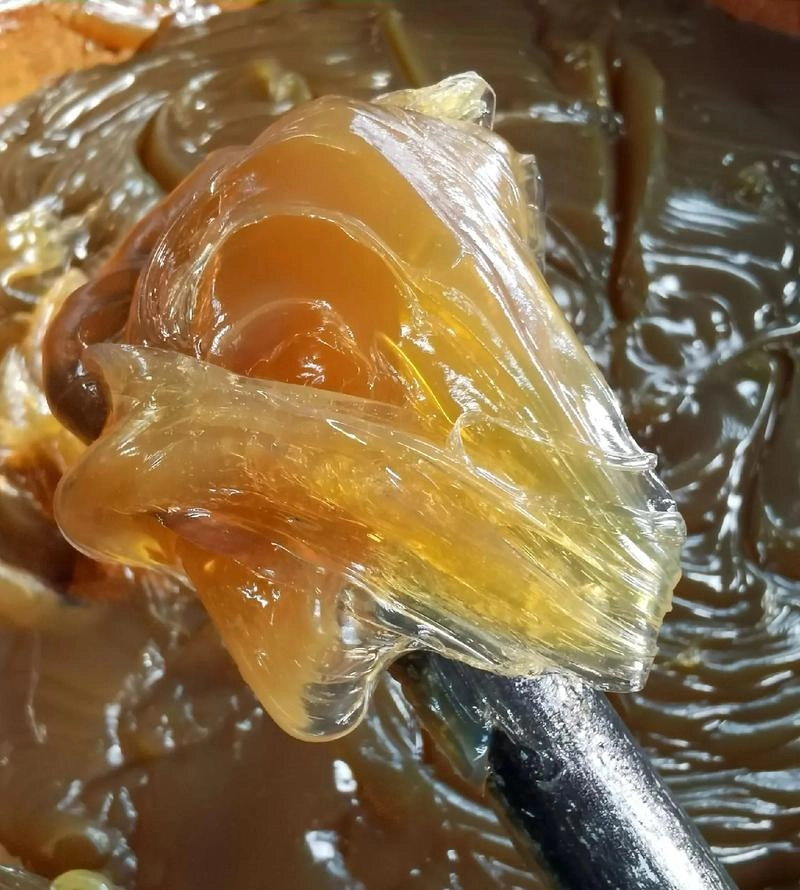
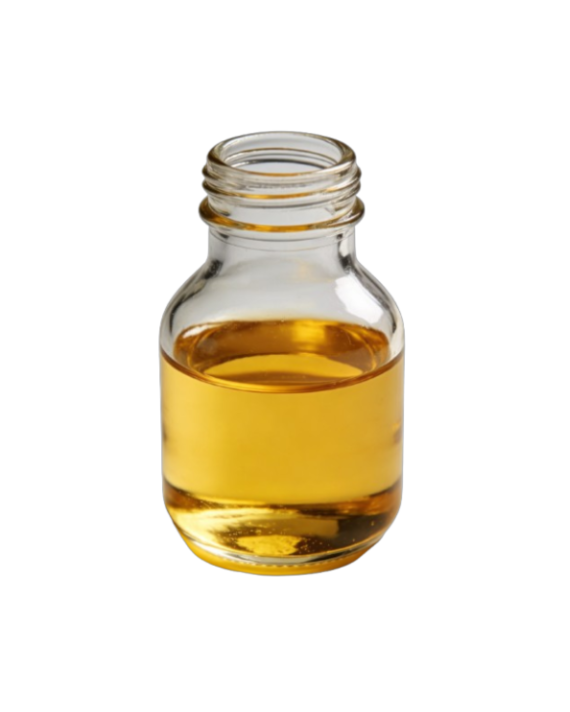
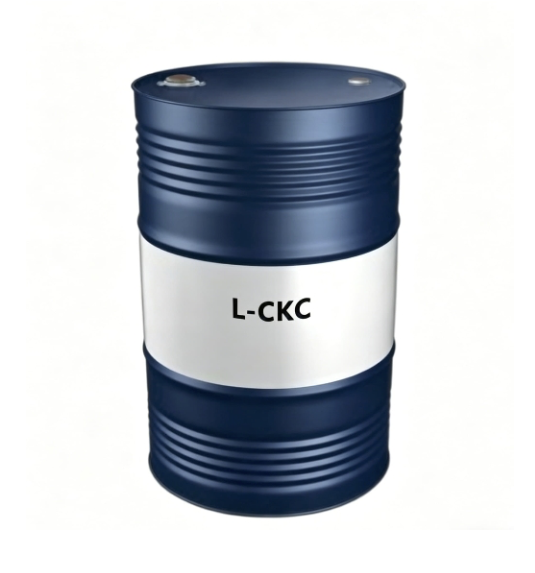
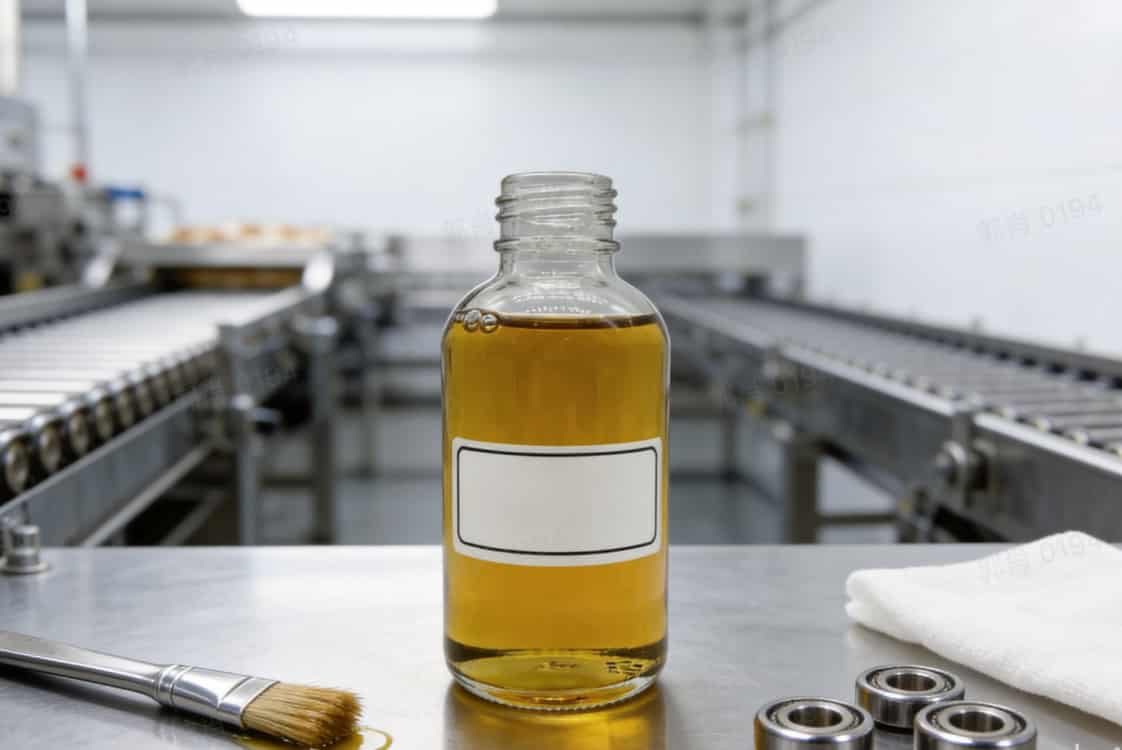
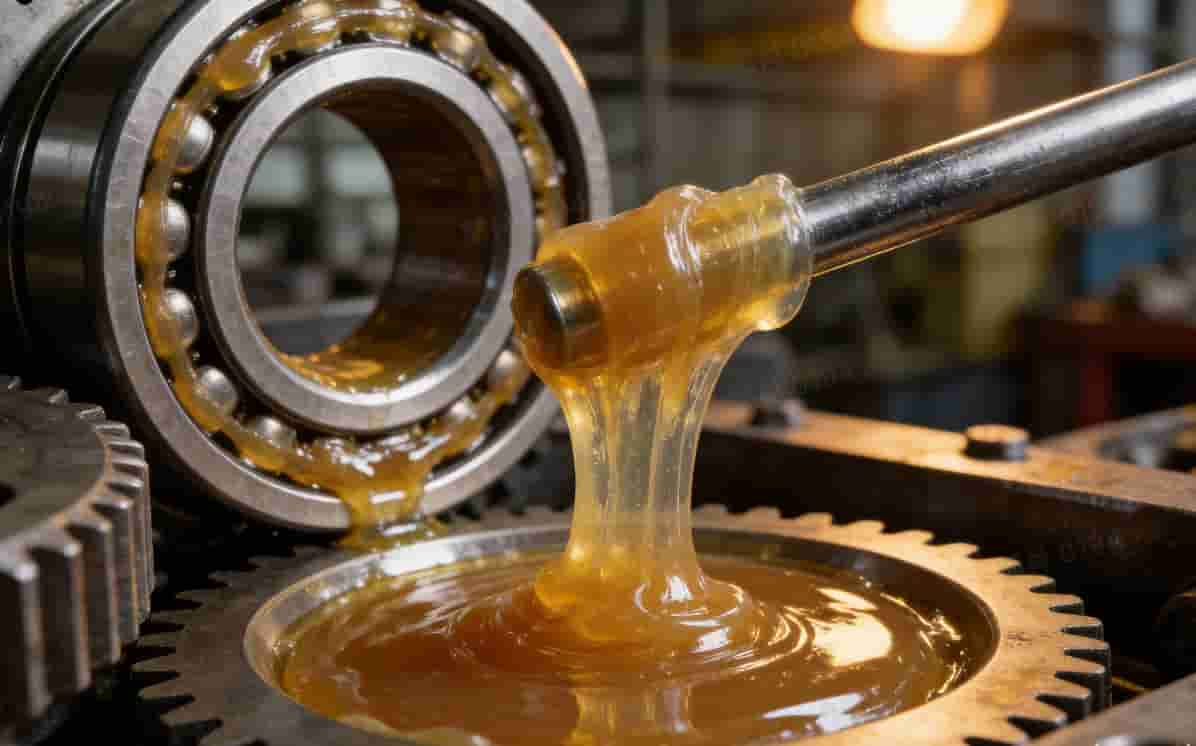
Agricultural lubricants are specialised oils, greases, and fluids designed to lubricate and protect agricultural machinery and equipment operating in challenging outdoor conditions. They reduce friction, wear, heat, and corrosion, and support reliable performance under heavy loads, in variable temperatures, and in the presence of dust and moisture over extended operating periods.
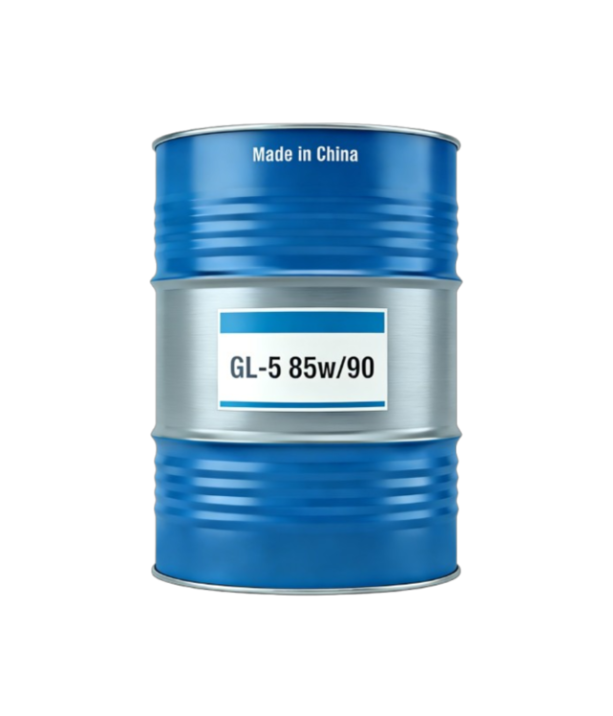
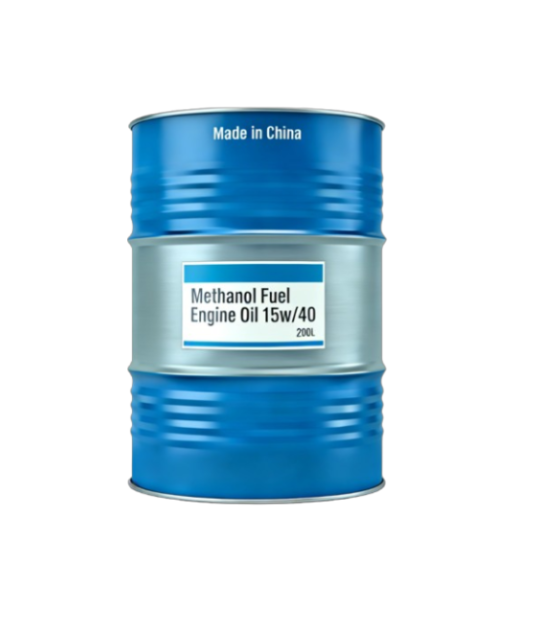
Common agricultural lubricants include engine oils, hydraulic fluids, gear oils, transmission fluids, bearing greases, and speciality lubricants. The most suitable formulation is selected according to the type of equipment, operating conditions, component requirements, and manufacturer specifications.
Applications of Agricultural Lubricants
- Tractors and agricultural vehicles
These are used in tractor engines, transmissions, axles, and hydraulic systems to ensure reliable operation during fieldwork.
- Harvesting equipment
Used to lubricate the bearings, gears, chains, and moving components of combines, harvesters, and balers.
- Planting and seeding machinery
Used in seeders, planters, and related equipment to protect mechanical components from friction and wear during repetitive field operations.
- Irrigation and Pumping Systems
Hydraulic fluids, gear oils, and greases can be used in irrigation pumps, motors, and gearboxes where appropriate.
- Agricultural processing equipment
These are applied to conveyors, mixers, grain handling systems, feed processing equipment, and other machinery used after harvesting to ensure smooth mechanical operation.
Agricultural Lubricants FAQs
- What are agricultural lubricants used for?
They protect tractors, harvesters, planting equipment, pumps and other farm machinery from friction, wear, heat and corrosion. They help equipment to operate reliably in challenging outdoor conditions.
- What types of lubricant are commonly used in agricultural machinery?
Examples include engine oils, hydraulic fluids, transmission and gear oils, bearing greases, and speciality lubricants. Different machine systems require formulations with specific viscosity and performance characteristics.
- What makes agricultural lubrication different from other applications?
Agricultural machinery often operates under heavy loads and for long periods, in dusty and moist conditions, and in environments subject to temperature changes and irregular maintenance. Therefore, lubricants need to provide reliable protection in variable and sometimes severe operating environments.
- How do I choose the right lubricant for farm equipment?
First, check the equipment manufacturer’s specifications, then consider factors such as viscosity, operating temperature, load, machine type, and service conditions. The lubricant must meet the required performance standards and be compatible with the relevant components and seals.
- How often should agricultural lubricants be replaced?
Replacement intervals depend on the equipment, lubricant type, operating hours, workload, environmental conditions, and the manufacturer’s maintenance schedule. Regular checks for contamination, changes in viscosity, oxidation, or other abnormal conditions in the lubricant can help identify when servicing is needed.
- Can agricultural lubricants be used in different types of farm machinery?
While some lubricants are formulated for multiple agricultural applications, they are not necessarily interchangeable. Always verify the required specifications, viscosity, and application before using a lubricant across different machines or systems.