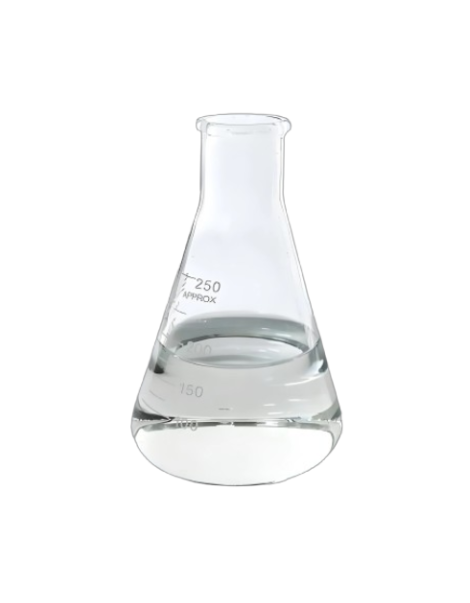
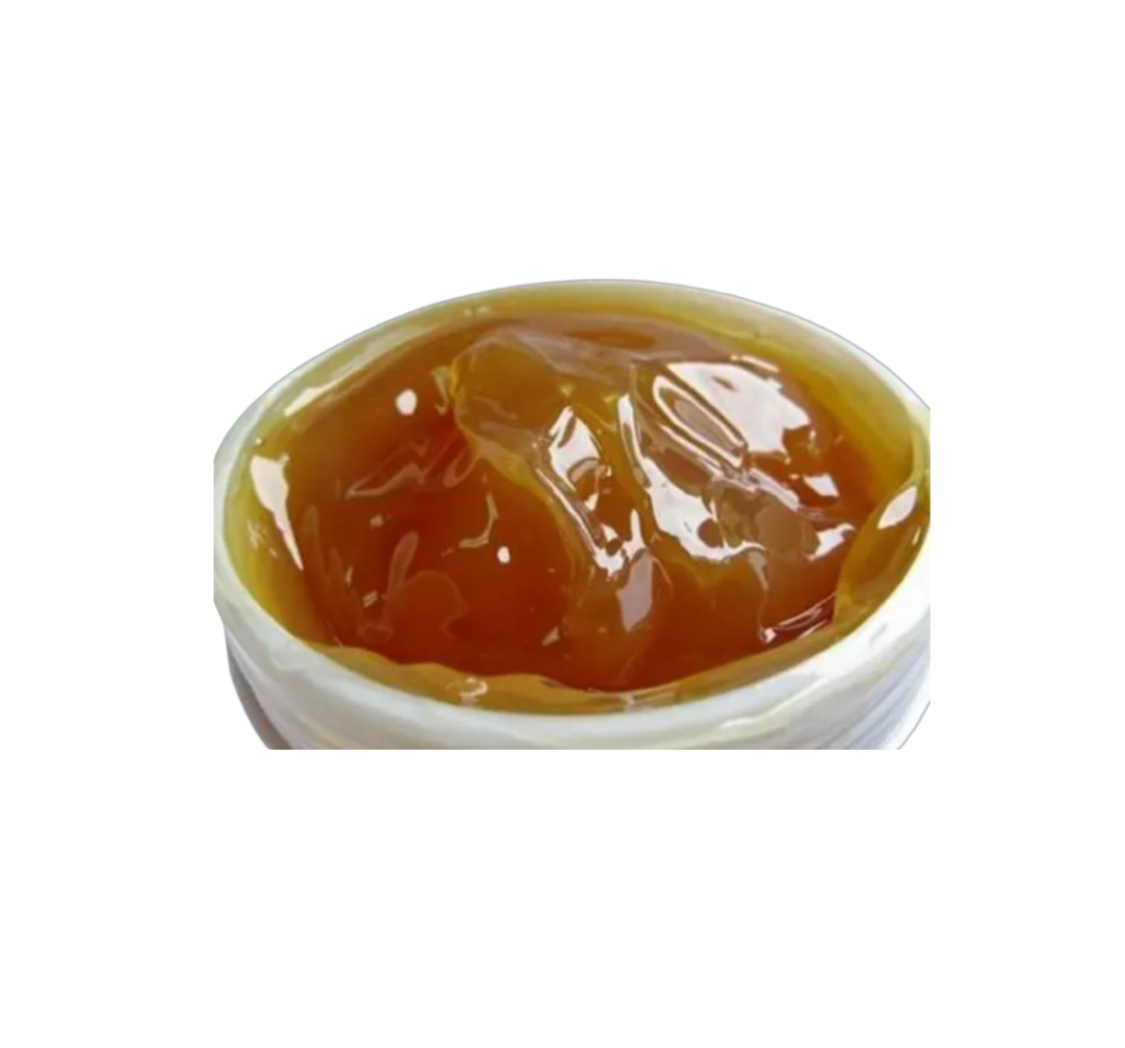
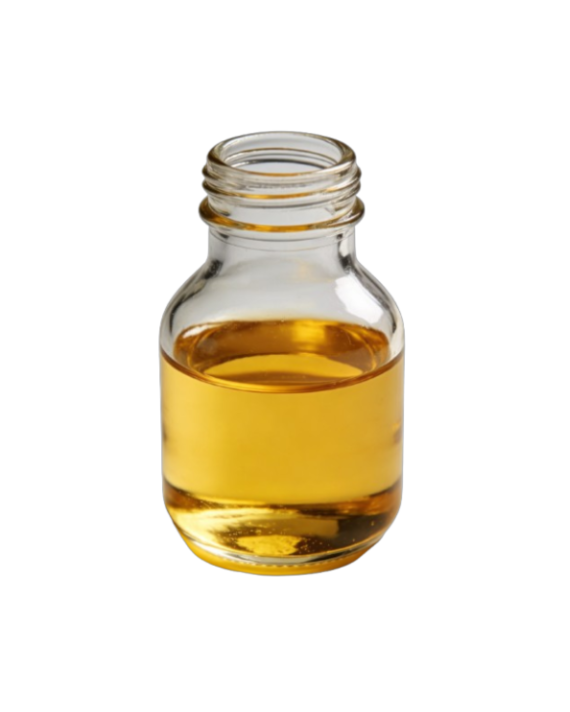
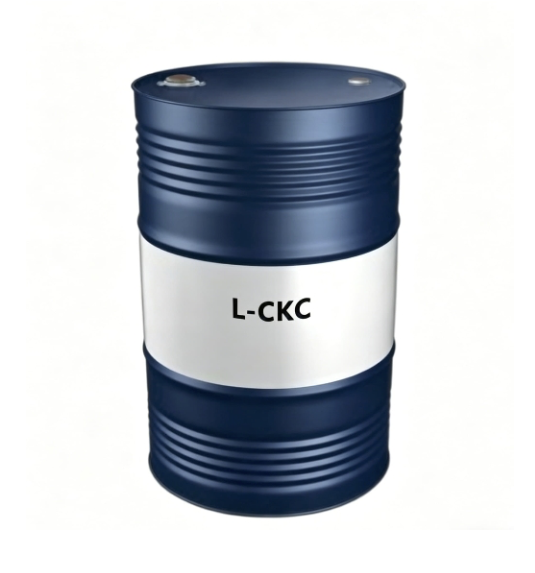
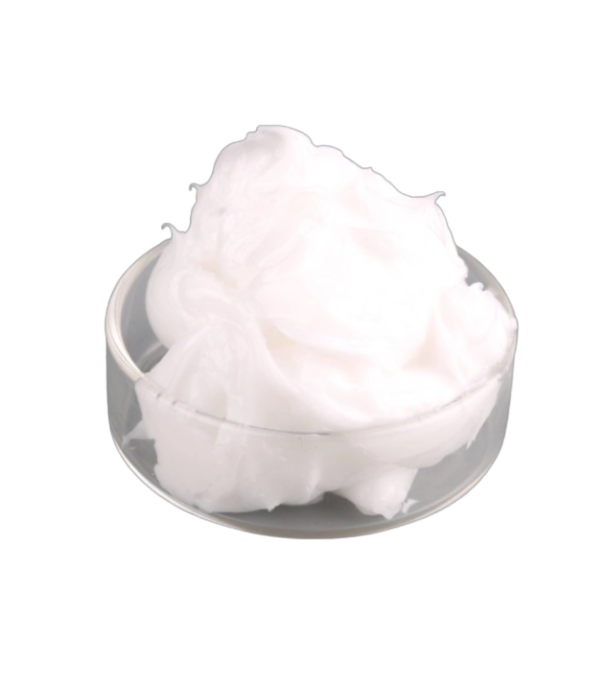
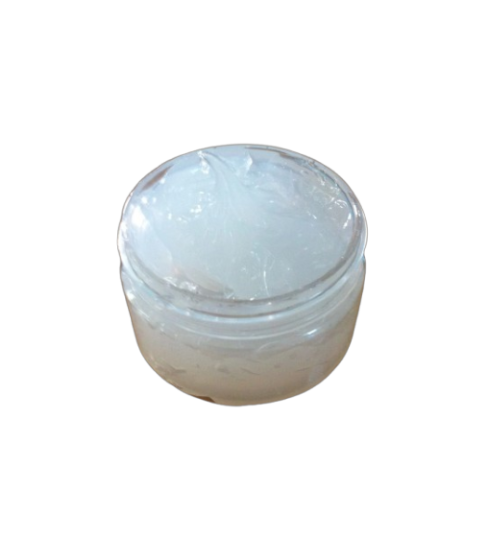
Speciality lubricants are high-performance oils, greases, pastes, and other lubricating formulations that are developed for specific applications, operating environments, or performance requirements that may not be adequately addressed by conventional lubricants. They are designed to offer specific properties such as extreme-temperature stability, high-load protection, chemical resistance, low volatility, electrical insulation, or compatibility with specialised materials.
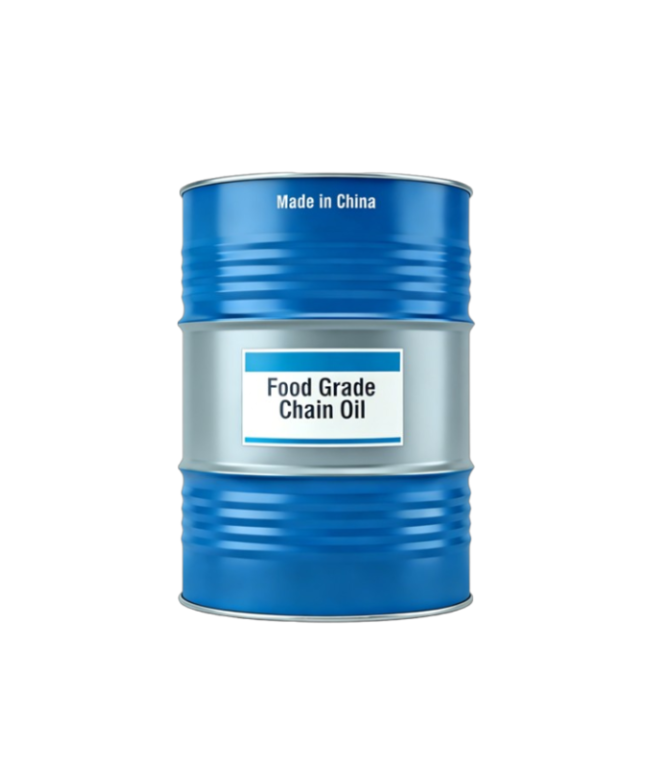
Examples of specialty lubricants include high-temperature greases, food-grade lubricants, vacuum lubricants, electrically insulating lubricants, synthetic specialty oils, anti-seize compounds, and other application-specific formulations. The right lubricant for a given application depends on factors such as operating temperature, pressure, speed, load, chemical exposure, material compatibility, and regulatory requirements.
Applications of Specialty Lubricants
- High-temperature equipment
This is used in furnaces, ovens, kilns, and bearings, as well as other equipment that operates at high temperatures, where conventional lubricants may degrade quickly.
- Food and pharmaceutical processing
Food-grade lubricants are used for machinery in the food, beverage, and pharmaceutical industries, where incidental product contact and hygiene requirements must be considered.
- Aerospace and automotive systems
Specialised lubricants are used in selected bearings, actuators, gears, electrical components and other systems that require specific performance under demanding operating conditions.
- Electronics and precision equipment
Low-volatility, insulating or precision lubricants can be used in electrical mechanisms, instruments and optical equipment, as well as other sensitive components.
- Chemical and industrial processing
Speciality lubricants are used in pumps, valves, seals, gears and other equipment that is exposed to aggressive chemicals, high pressures, vacuum conditions or other challenging environments.
Specialty Lubricants FAQs
- What are specialty lubricants?
They are specially formulated oils, greases, pastes, or fluids designed for applications where conventional lubricants may not provide sufficient performance. They are developed for use in demanding conditions, such as extreme temperatures, high loads, chemical exposure, a vacuum environment, or electrical requirements.
- What types of specialty lubricants are available?
Common types include high-temperature greases, food-grade lubricants, vacuum lubricants, electrically insulating lubricants, synthetic lubricants, anti-seize compounds, and chemically resistant formulations. Each type is designed for specific operating requirements.
- When should speciality lubricants be used?
They are typically used when equipment operates outside the effective range of conventional lubricants or requires a specific functional property. Such conditions include extreme temperatures, heavy loads, aggressive chemicals, clean manufacturing environments, and applications requiring low volatility or electrical insulation.
- How do I select the right speciality lubricant?
Consider temperature range, load, speed, pressure, chemical exposure, material compatibility, and required service life. You should also review the equipment specifications and the lubricant manufacturer’s technical data before making a selection.
- Can speciality lubricants replace conventional industrial lubricants?
In some applications, a speciality lubricant can replace a conventional product if its specifications meet or exceed the equipment requirements. However, compatibility with existing lubricants, seals, components, and operating conditions should be confirmed before switching.
- What are the advantages of speciality lubricants?
Speciality lubricants can provide targeted protection in conditions that are difficult for standard lubricants to handle. Depending on the formulation, they may offer improved temperature stability and wear protection.