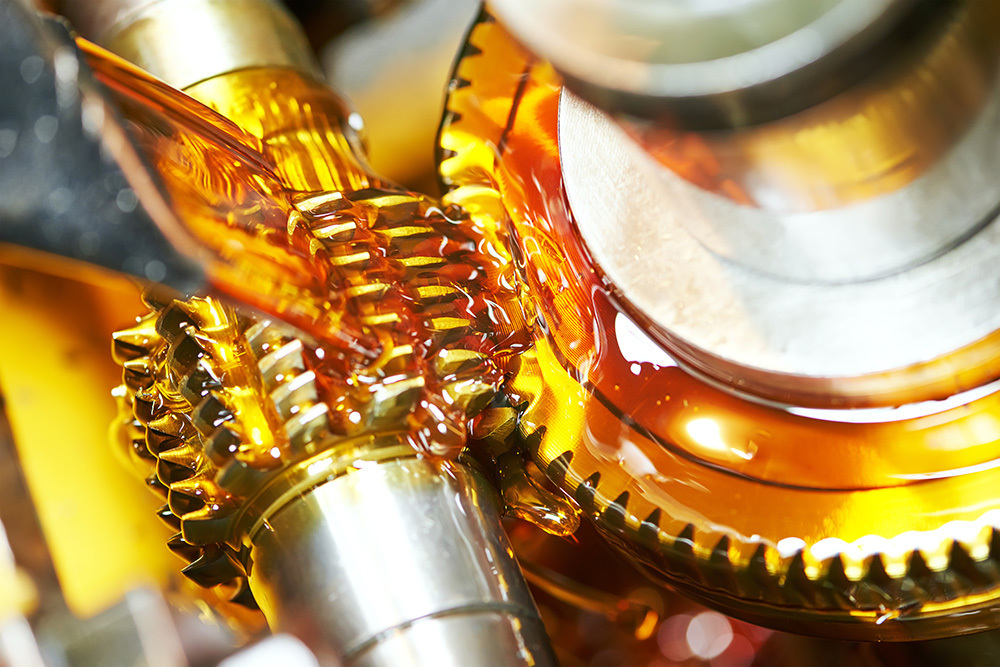
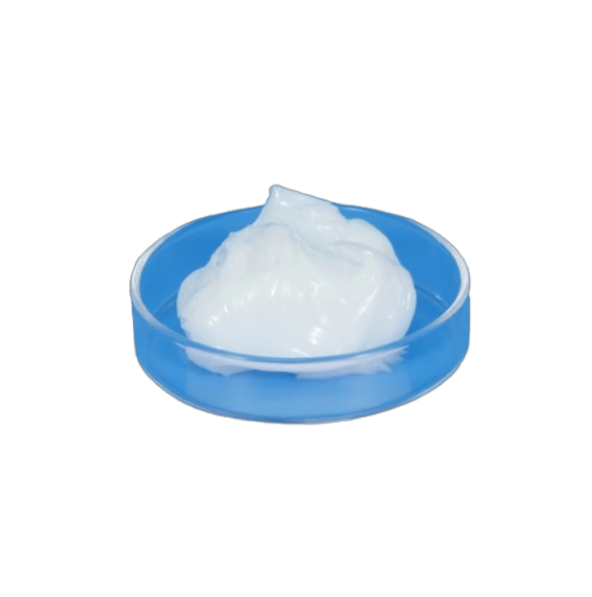
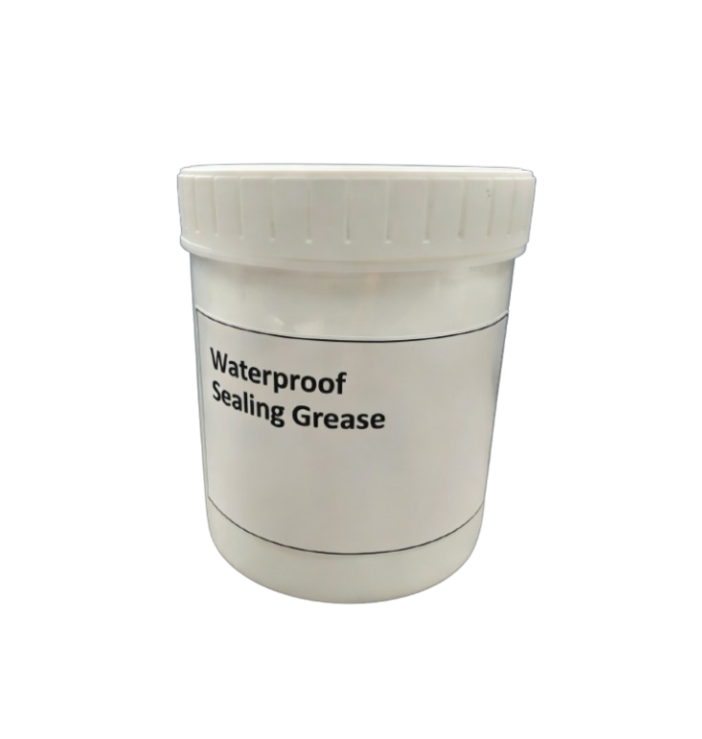
New energy lubricants are specialised lubricating oils, greases and fluids developed for use with equipment and components in new energy technologies, such as electric vehicles, wind turbines, solar power systems and energy storage equipment. They are formulated to address specific requirements such as high rotational speeds, temperature fluctuations, electrical compatibility, long service intervals and challenging operating conditions.
Depending on the application, new energy lubricants may include EV transmission fluids, e-motor lubricants, wind turbine gear oils, bearing greases, thermal management fluids and speciality lubricants for energy equipment. The formulation of these lubricants is determined by factors such as temperature range, load, rotational speed, material compatibility, electrical conductivity requirements, and equipment manufacturer specifications.
Applications of New Energy Lubricants
- Electric vehicles
These are used in e-axles, reduction gearboxes, bearings, and selected electric drive components, reducing friction and wear while supporting efficient operation.
- Wind power equipment
Applied to main bearings, gearboxes, pitch systems and other moving components in wind turbines that operate under variable loads and weather conditions.
- Solar power systems
Used in selected bearings, gear mechanisms, tracking systems, and other moving components of solar tracking and power generation equipment.
- Energy storage systems
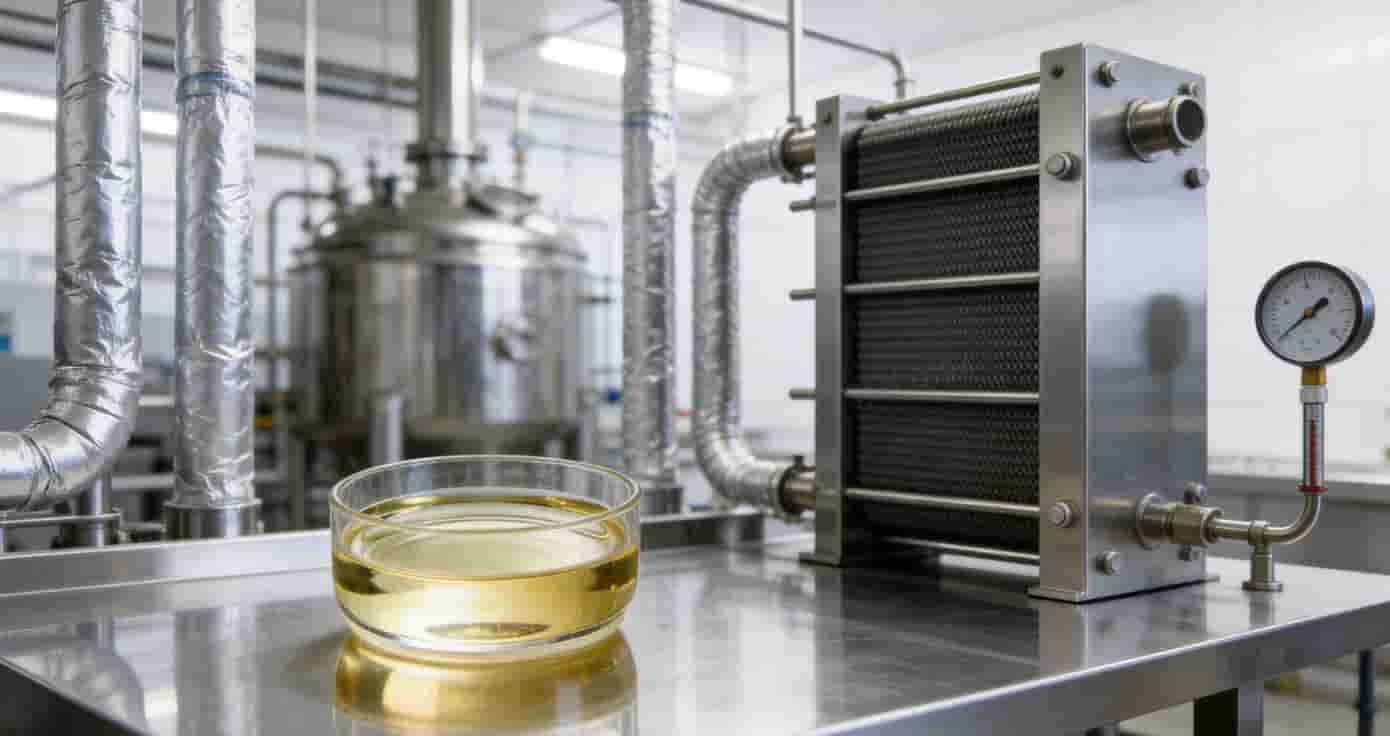
Speciality lubricants may be used in cooling systems, mechanical drives, fans, pumps and other auxiliary components associated with batteries and energy storage systems.
- Hydrogen and other new energy equipment
Application-specific lubricants can be used in compressors, pumps, valves and mechanical systems involved in hydrogen production, storage and related new energy processes.
New Energy Lubricants FAQs
- What are new energy lubricants used for?
They are formulated for use in equipment such as electric vehicles, wind turbines, energy storage systems and other renewable energy technologies. They help to manage friction, wear, heat and corrosion, and support reliable operation under specialised conditions.
- What types of new energy lubricants are available?
Common products include EV transmission fluids, electric motor lubricants, wind turbine gear oils, bearing greases and specialised thermal management fluids. The formulation depends on the design of the equipment and its lubrication or cooling requirements.
- In what ways do lubricants for electric vehicles differ from conventional automotive lubricants?
EV lubrication systems may require products that can operate reliably at high rotational speeds and provide suitable thermal and electrical properties. Compatibility with electric motors, gears, seals and other components is also an important consideration.
- What lubricants are used in wind turbines?
Wind turbines commonly use gear oils, bearing greases and other specialised lubricants for gearboxes, main bearings, pitch systems and yaw systems. These products need to withstand high loads, temperature fluctuations, vibration, and extended service intervals.
- How do I choose a lubricant for new energy equipment?
Consider the type of equipment, the design of the components, the operating speed, the load, the temperature range, the lubrication method, and the manufacturer’s specifications. For electrically active systems, electrical compatibility and thermal performance may also need to be evaluated.
- Why are specialised lubricants important for new energy applications?
New energy equipment often combines high-efficiency requirements with high-speed operation, thermal loads, long service intervals and electrical exposure. Properly formulated lubricants can help to reduce component wear, control heat, improve energy efficiency, and extend equipment service life.