
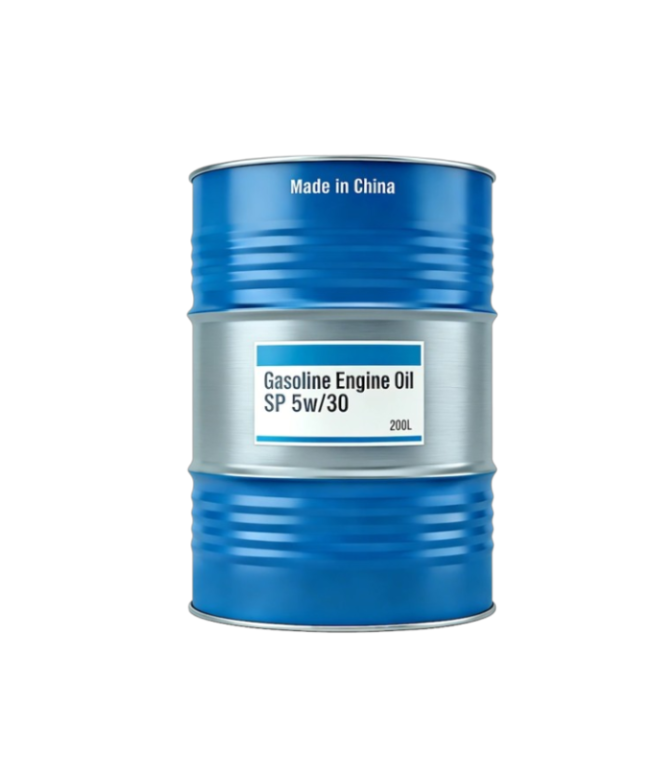
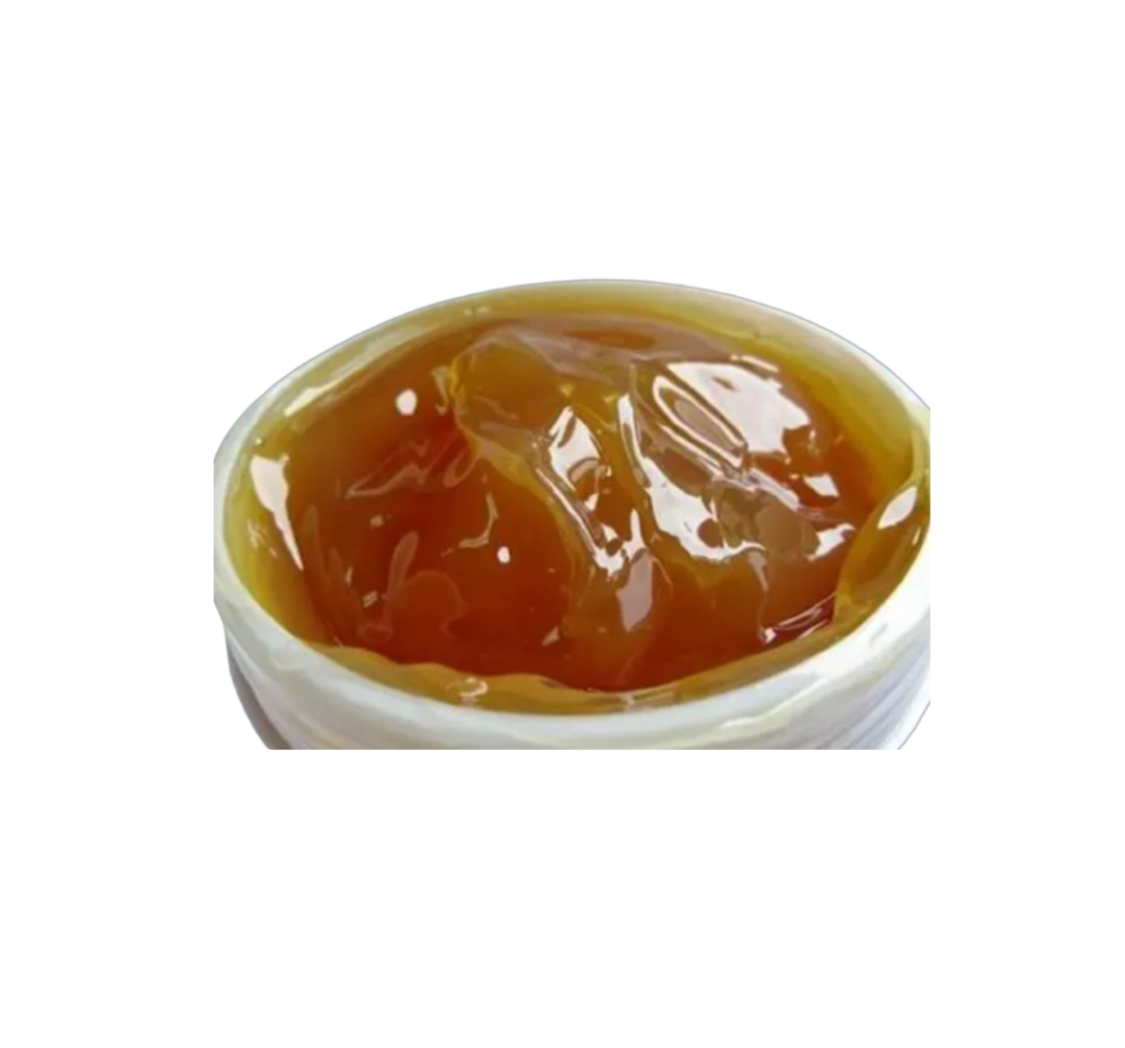

With the global manufacturing recovery and the ongoing advancement of the dual carbon goals, China’s lubricant industry is entering a new phase of technological innovation and market expansion. The sector is transitioning from traditional volume growth to quality enhancement, with high-performance, long-life, and environmentally friendly lubricant products becoming the dominant market direction. Green transformation and collaborative innovation across the industrial chain have emerged as the core drivers of industry development.
Market Demand Remains Steady with Upside Potential, Marked Trend Towards High-End and Specialised Applications
Since the commencement of 2024, China’s lubricant market has maintained robust growth driven by demand from high-end sectors including equipment manufacturing, new energy vehicles, wind power and photovoltaics, and aerospace. Statistics indicate that national lubricant production increased by approximately 6.2% year-on-year during the first half of 2024. Notably, high-value-added products such as industrial lubricating oils and specialised greases demonstrated significantly higher growth rates than traditional automotive lubricants.
‘Lubricants are evolving from “auxiliary materials” to “key functional materials”,’ noted an expert from the Lubrication Technology Professional Committee of the China Petroleum and Chemical Industry Federation. ‘In applications such as wind turbine gearboxes, high-speed rail bearings, and robotic reducers, lubricant performance directly impacts equipment longevity and operational safety. Customers are demanding greater resilience under extreme conditions and extended maintenance intervals.’
Green and Low-Carbon Practices Gain Industry-Wide Consensus, with Bio-Based and Regenerated Lubricants Accelerating Market Penetration
Under environmental policies and carbon emission constraints, the lubricant industry is accelerating its green transformation. Biodegradable lubricants, extended oil-change interval products, and regenerated base oil technologies have emerged as key R&D priorities. Several leading enterprises have launched environmentally friendly industrial lubricants based on plant esters and synthetic esters, gradually replacing mineral oil products in sensitive environments such as mining machinery, shipping, and outdoor power equipment.
‘We have established a production line for bio-based lubricants with an annual capacity of 50,000 tonnes, achieving a carbon footprint reduction of approximately 40% compared to traditional products,’ stated a technical lead from a chemical group. ‘Over the next three years, the company aims to increase the proportion of green lubricants to over 30%.’
Furthermore, waste lubricant recycling and regeneration technologies have achieved breakthroughs with policy support. Some enterprises have produced regenerated oils meeting new oil standards, establishing a closed-loop ‘production-use-recovery-regeneration’ system that advances the circular economy.
Technological Innovation Drives Product Upgrades, with Intelligent Lubrication Solutions Gaining Popularity
As the Internet of Things and big data technologies permeate industrial settings, the lubricant industry’s service model is shifting from ‘selling products’ to ‘providing lubrication solutions’. Sensor-monitored intelligent lubrication systems and online oil diagnostics services have emerged as new growth drivers in the high-end market.
‘We deliver integrated “lubricant + monitoring + early warning” services to clients. By leveraging real-time oil condition data, we enable on-demand oil changes and predictive fault detection, helping customers reduce maintenance costs by over 20%,’ explained a representative from a lubrication technology firm.
In material innovation, technologies such as nano-additives, polyether synthetic oils, and complex sulphate compounds enhance products’ extreme pressure anti-wear properties and high-temperature stability. These advancements meet the demanding requirements of ultra-high-speed bearings, deep-sea equipment, and other severe operating conditions.
Accelerated Industry Consolidation as Leading Enterprises Strengthen Full-Chain Layout
In recent years, concentration within the lubricants sector has steadily increased, with a pronounced polarisation emerging between large state-owned energy conglomerates and specialised private brands. Leading enterprises have extended their reach into upstream base oils and additives through mergers and acquisitions, joint ventures, and factory construction, thereby building comprehensive competitive strength across the entire industrial chain.
Concurrently, within niche markets—such as food-grade lubricants, data centre coolants, and aerospace specialty greases—a cohort of specialised, sophisticated, distinctive and innovative enterprises has rapidly emerged. Leveraging technological barriers, these firms have forged differentiated competitive advantages.
Outlook: Lubricant Industry Advances Towards New Phase of ‘High Performance + Sustainability’
Moving forward, as national strategies such as new energy, intelligent manufacturing, and green infrastructure are further implemented, the lubricant industry will encounter more structural opportunities. Emerging fields including specialised oils for high-end equipment, thermal management fluids for electric vehicles, and lubrication materials for the hydrogen energy supply chain will become focal points for corporate technological breakthroughs and market expansion.
Industry experts forecast that China’s lubricant market will maintain a compound annual growth rate of 5%-7% over the next five years, with green lubricants and specialised functional lubricants projected to exceed 10% growth. Only by continuously strengthening R&D, deepening service capabilities, and pursuing low-carbon pathways can enterprises navigate the industry’s transformation wave with steadfast progress.
Though seemingly minor, lubricants are integral to safeguarding the operational security and green future of major manufacturing nations. Under the overarching theme of high-quality development, this traditional industry is quietly writing its own chapter of innovation.