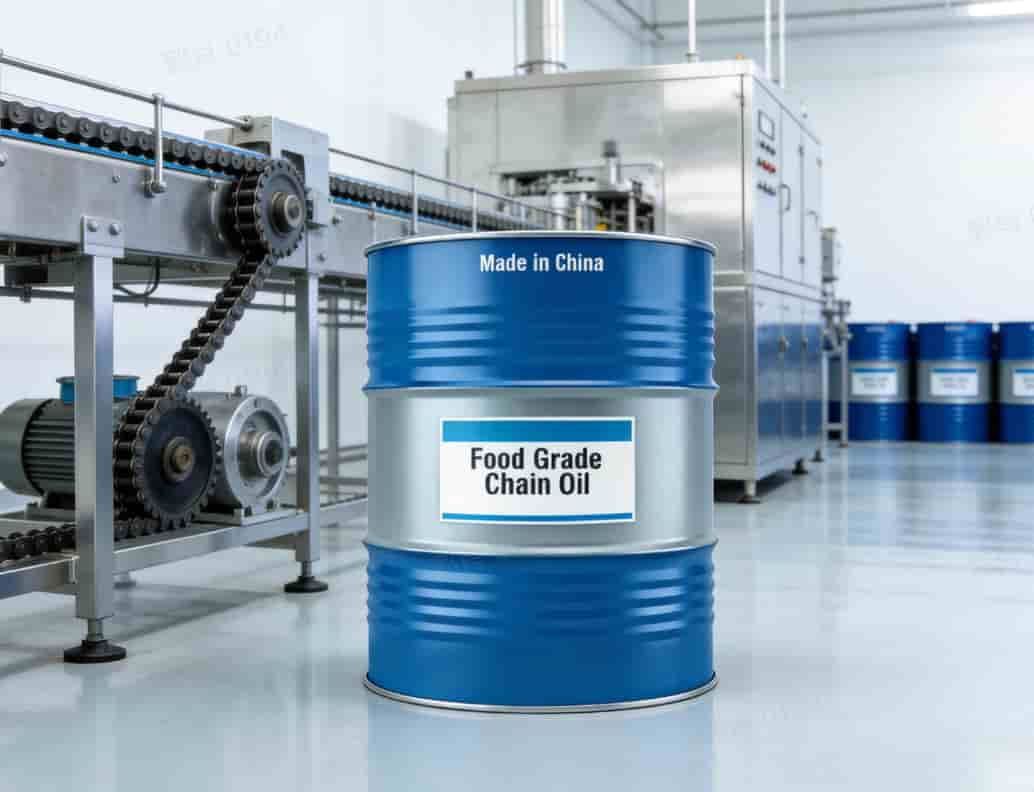
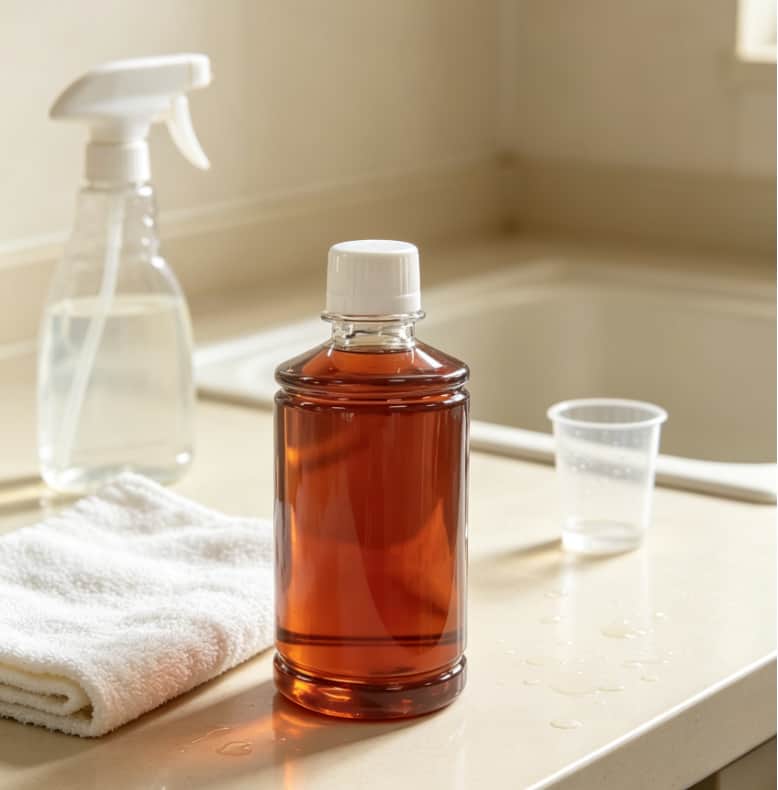
Learn what food grade chain oil is, how its formulation supports safe and effective chain lubrication, and where it is commonly used in food processing, packaging, and beverage equipment.
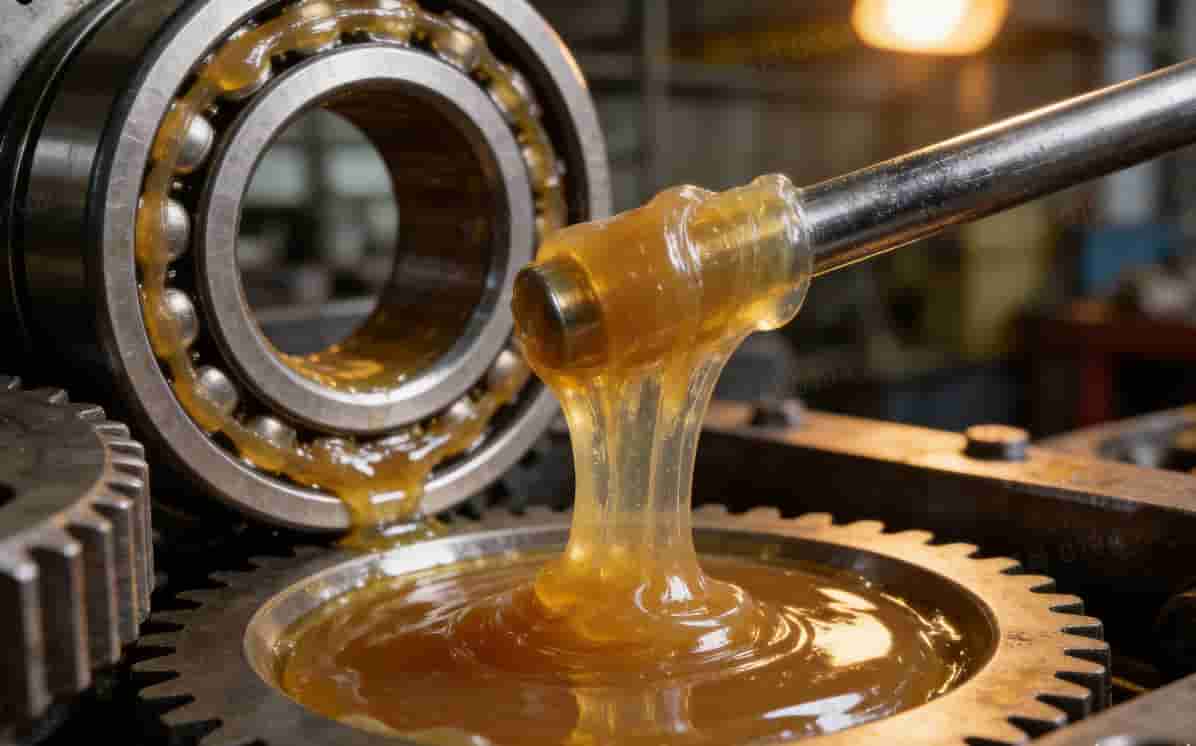
Understand the purpose of lubricants in machinery, including how they reduce friction and wear, control heat, prevent corrosion, improve efficiency, and extend equipment service life.
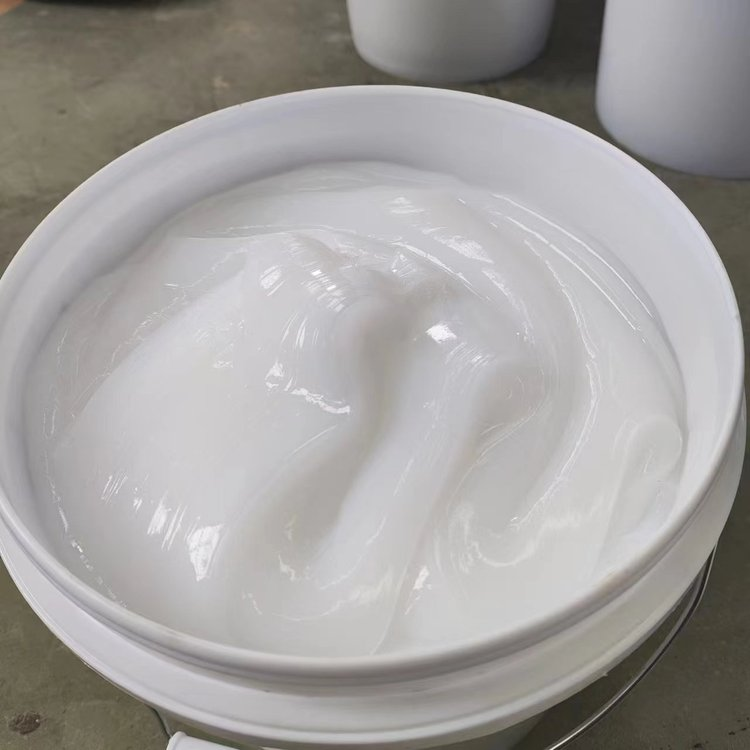
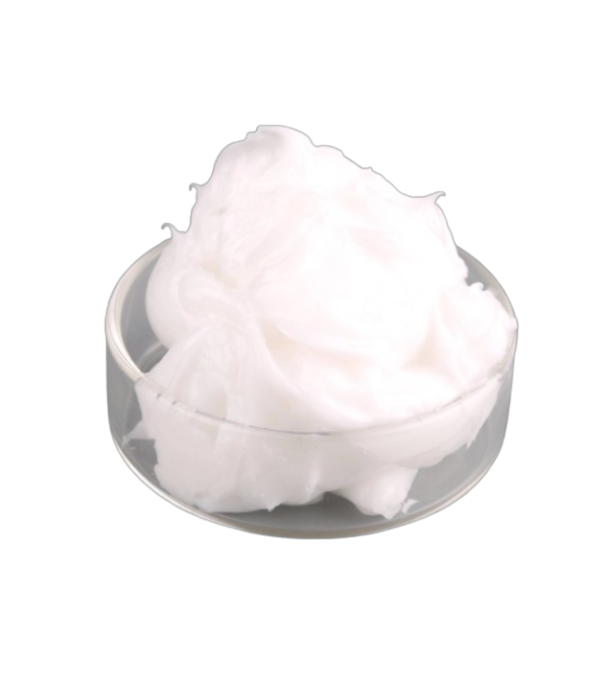
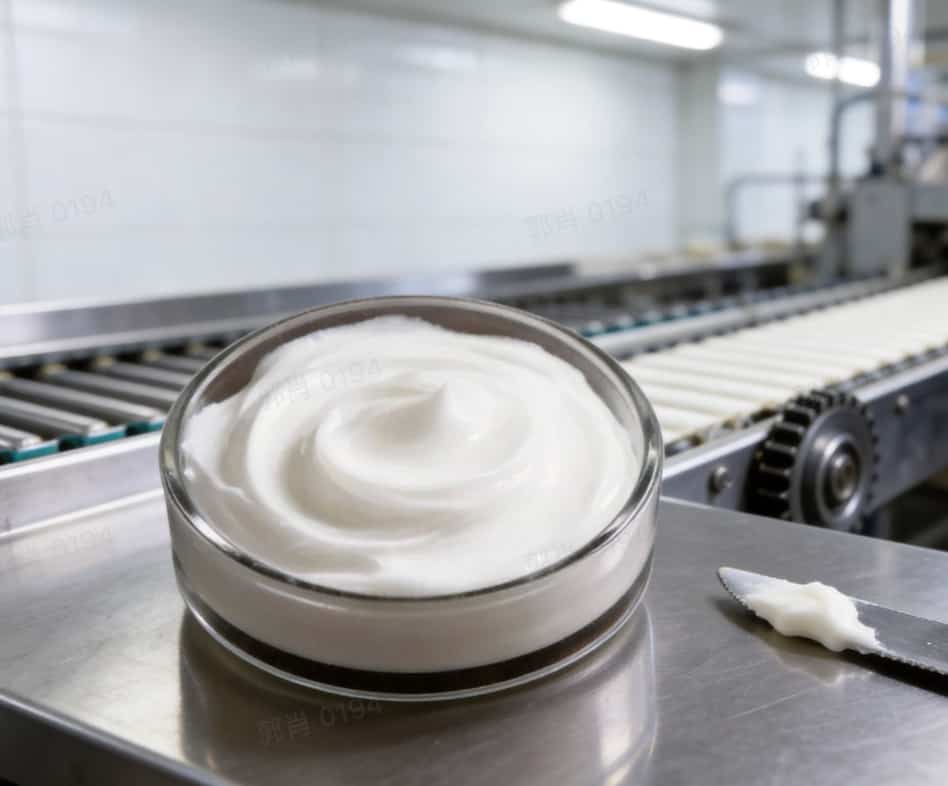
Discover what food-grade grease is made of, including its base oil, thickener, and performance additives, and learn how these components provide lubrication, stability, and safe performance in food-processing equipment.
Food grade hydraulic oil is an NSF H1-registered lubricant designed for hydraulic systems in food processing, ensuring safe incidental food contact while delivering reliable anti-wear and thermal stability performance.
Explore automotive lubricants, including their meaning, main types, functions, and practical solutions, to understand how they reduce friction, protect vehicle components, improve performance, and extend service life.
Explore the differences between medical and industrial lubricants by comparing their formulations, safety requirements, performance standards, and applications to understand how each type meets specific industry needs.
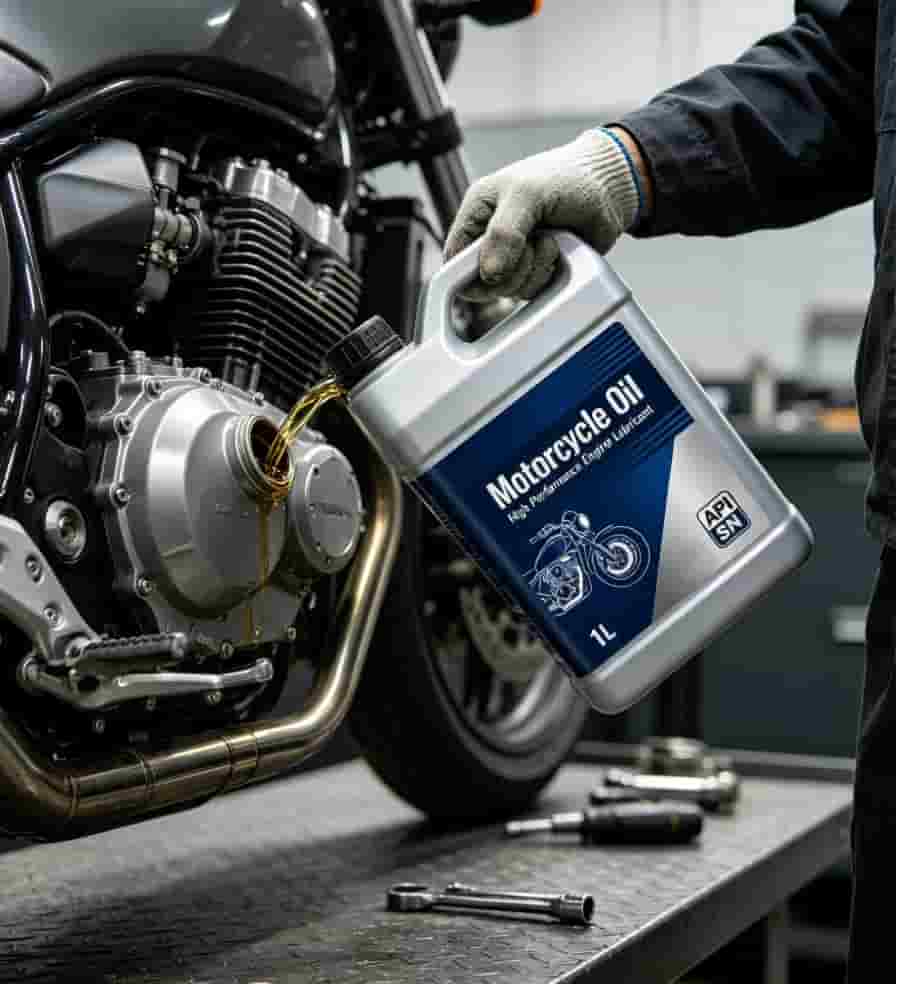
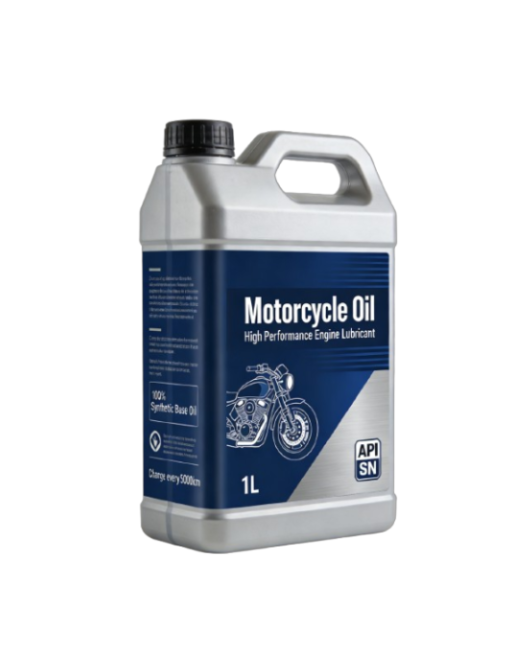
The frequency of changing motorcycle oil depends on the bike model, oil type, riding conditions, and manufacturer recommendations, but most motorcycles typically need an oil change every 3,000–7,000 miles (5,000–11,000 km) or once a year, whichever comes first.
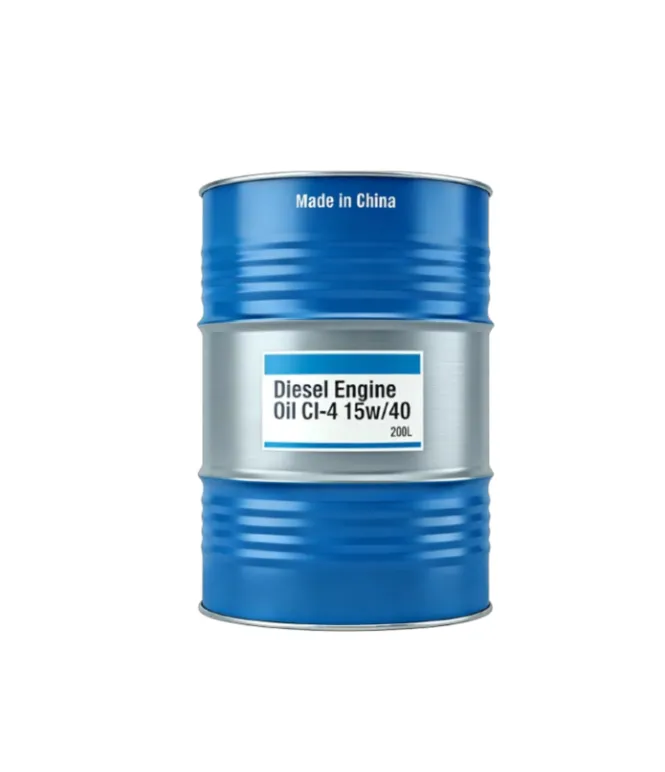
Learn whether gasoline engine oil can be used in a diesel engine by understanding the differences in oil formulations, performance standards, and potential impacts on engine protection, efficiency, and long-term reliability.
Learn whether diesel oil can be used in a gasoline engine by understanding the differences in engine oil specifications, additive packages, compatibility, and the potential effects on engine performance and longevity.
Discover what makes a good automotive lubricant by exploring key factors such as viscosity, performance, protection, and compatibility to help improve engine efficiency, reduce wear, and extend vehicle life.