Performance Grades (Enclosed Gears)
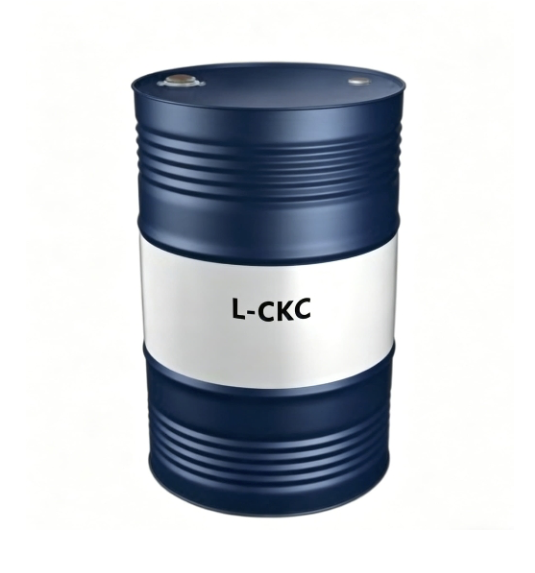
L-CKC (Medium-Load Extreme-Pressure Type)
Tooth flank stress: 500–1100 MPa, moderate shock loading. Used in general machinery, textiles, papermaking, and auxiliary metallurgical transmissions. Common ISO VG grades: 100, 150, 220, 320, 460.
L-CKD (Heavy-Load Extreme-Pressure Type)
Tooth flank stress > 1100 MPa, suitable for high-temperature, heavy-duty, and water-contaminated conditions. Applied in main mining transmissions, steel rolling mills, cement mills, and large crushers. Features superior extreme-pressure anti-wear, anti-oxidation, and demulsibility properties. Viscosity range: VG 150, 220, 320, 460, 680.
L-CKE / CKE-P (Worm Gear Oil)
Formulated for predominant sliding friction with effective oiliness additives. Not to be replaced by general CKD (may cause copper alloy wear). Used in elevators, extruders, and large worm gear reducers.
Synthetic Types (PAO / PAG / Ester)
Such as L-CKT / CKS. Wide service temperature range (-40℃ to 120℃+), extended drain intervals. Used in wind turbines, cold-region applications, and high-temperature furnace gearboxes.
Open Gear Oil
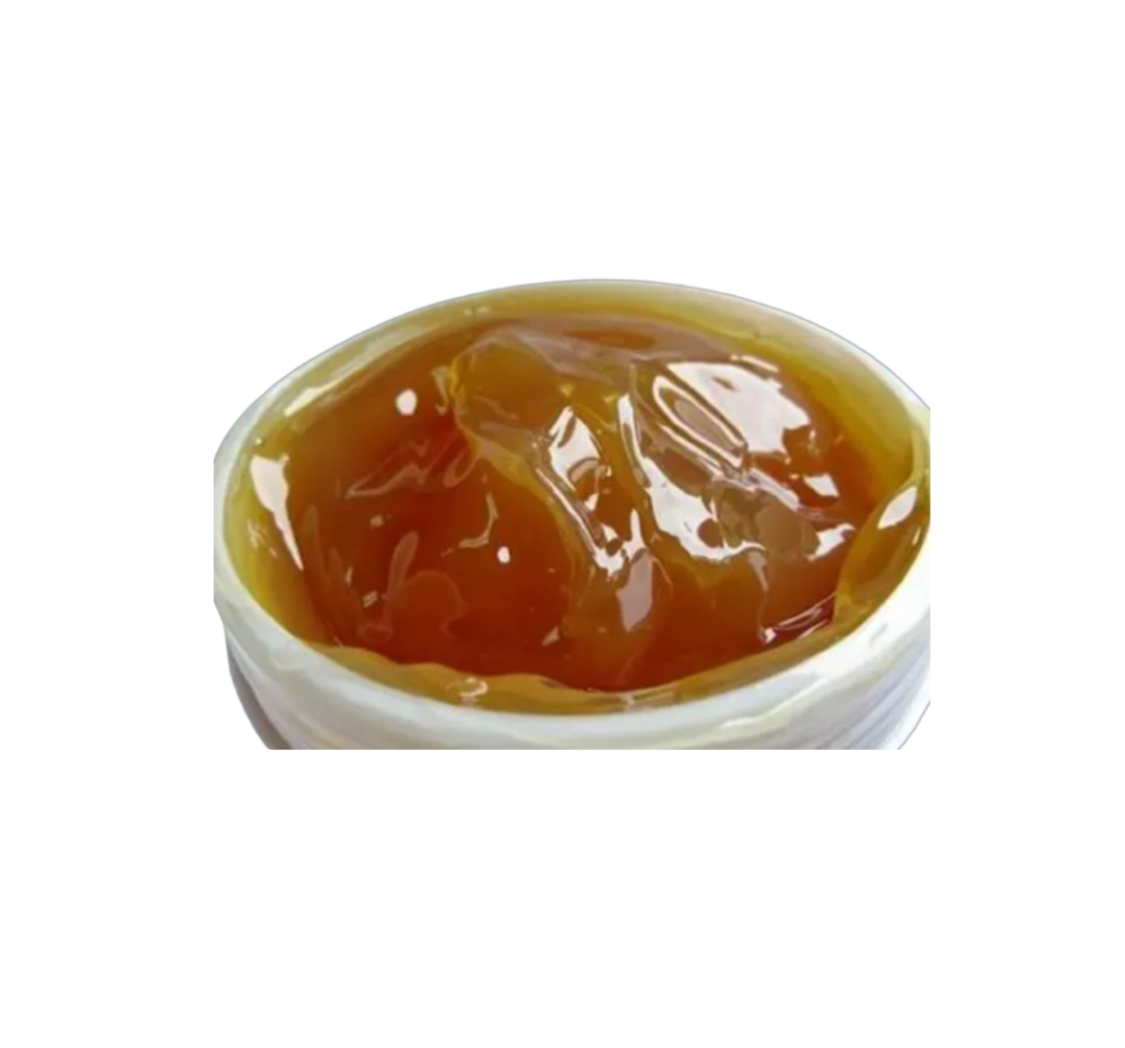
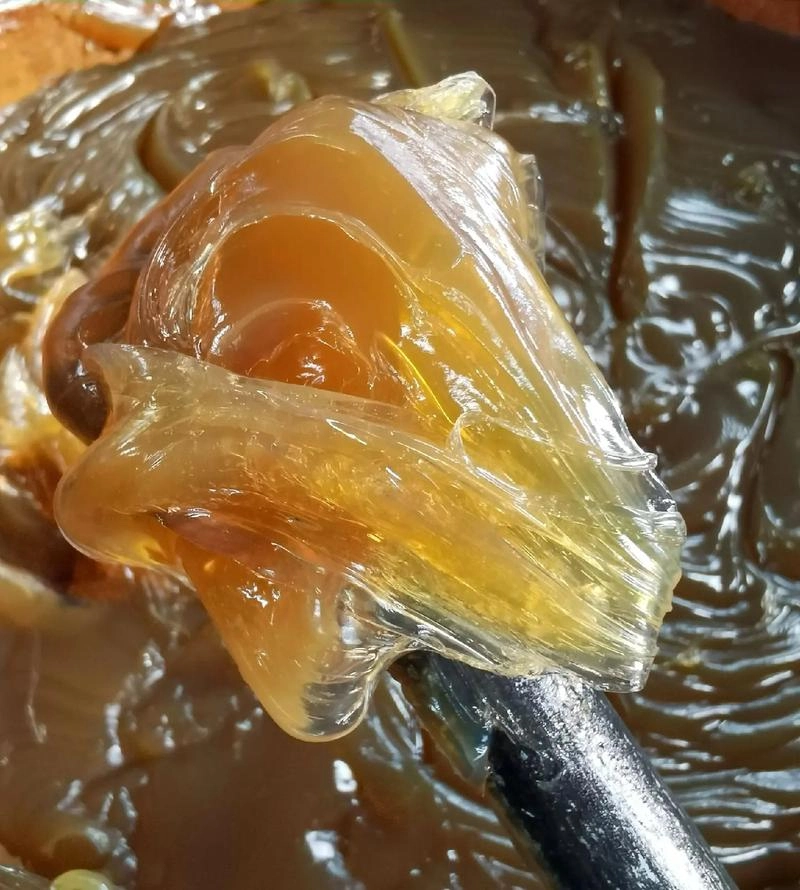
(L-CKH / CKJ or special grades) High-viscosity, asphaltic, or tackified formula with excellent adhesion. Used in open-pit mines, cement rotary kilns, and large open gears, typically applied by brushing or spraying to resist runoff and corrosion. Color is usually dark brown to black.
By Base Oil
Mineral Oil
Low cost, suitable for normal operating conditions.
Semi-Synthetic Oil
High cost-performance, balanced service life and price.
Full Synthetic (PAO, PAG, Ester)
For extreme temperatures and long-term maintenance-free operation. Best overall performance but at a higher cost.
IV. Key Technical Specifications & Standards
Viscosity & Viscosity Index
ISO VG grades are defined by kinematic viscosity at 40℃. Higher VI means smaller viscosity variation with temperature, more stable oil film at low-temperature startup and high-temperature operation.
Extreme-Pressure (EP) Performance
Evaluated by four-ball test (PB / PD values) and FZG scuffing test. Requirements for CKD are significantly higher than for CKC.
Other Key Indicators
Oxidation stability, demulsibility (water separation), anti-foam property, rust & corrosion protection, and copper/steel corrosion resistance test.
International Standards
ISO 6743-C, AGMA 9005, DIN 51517 Part 2/3, and equipment manufacturer specifications including FLENDER, SEW, etc.
V. Selection Guidelines
Follow the performance grade and viscosity grade recommended in the equipment manual.
If no manual is available, select based on the following criteria:
Load Condition: Light load → L-CKB; Medium load → L-CKC; Heavy load / shock loading → L-CKD / Synthetic type
Operating Speed: High speed → Low viscosity (ISO VG 100 / 150); Low speed & heavy load → High viscosity (ISO VG 460 / 680)
Operating Temperature: Low-temperature environment → PAO synthetic (e.g., ISO VG 100 PAO); High-temperature operation → L-CKD or synthetic ester
Working Medium: Risk of water contamination / emulsification → Prioritize L-CKD or synthetic type with excellent demulsibility
VI. Precautions & Maintenance Notes
Do not mix different brands or types of industrial gear oil, as additive incompatibility may cause precipitation, sludge formation, and reduced lubrication performance.
Thoroughly clean the gearbox before refilling with new oil to remove residual old oil, sludge, and impurities.
Adhere to the recommended oil change intervals: Mineral oil → 6 months / 2000–4000 operating hours (conventional conditions); Synthetic oil → 1–3 years / 8000–20000 operating hours (oil condition monitoring is recommended).
Regularly monitor oil condition, including viscosity, water content, acid number, and particle contamination, to ensure optimal lubrication and avoid equipment failure.
Store the oil in a clean, dry, and well-ventilated area, away from direct sunlight and high temperatures, to prevent oxidation and contamination.
VII. Product Selling Points
Superior Extreme-Pressure & Anti-Wear Performance: Formulated with advanced EP additives to form a robust lubricating film, effectively reducing gear flank wear, preventing scuffing, and extending gear service life even under heavy-duty conditions.
Excellent Stability: Outstanding oxidation stability and demulsibility, ensuring stable performance under high-temperature, long-term operation, and water-contaminated environments.
Wide Applicability: Comprehensive product range covering light, medium, and heavy loads, as well as extreme temperature conditions, suitable for various industrial scenarios such as mining, steel, cement, wind power, and textiles.
Cost-Effective Options: Multiple base oil types (mineral, semi-synthetic, full synthetic) to meet different budget and performance requirements, balancing service life and cost.
Compliance with International Standards: Meets ISO, AGMA, DIN, and major equipment manufacturer specifications (FLENDER, SEW), ensuring compatibility and reliability for global applications.