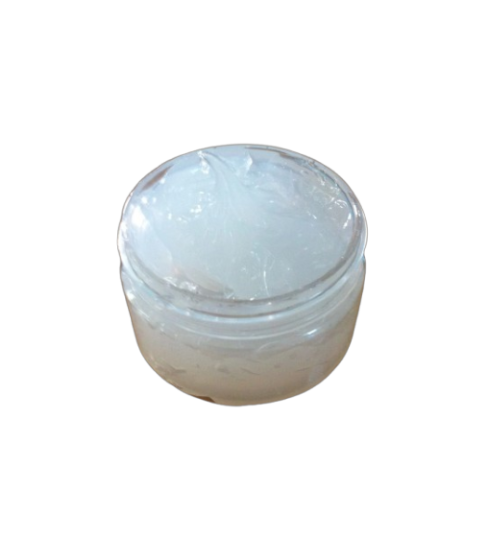
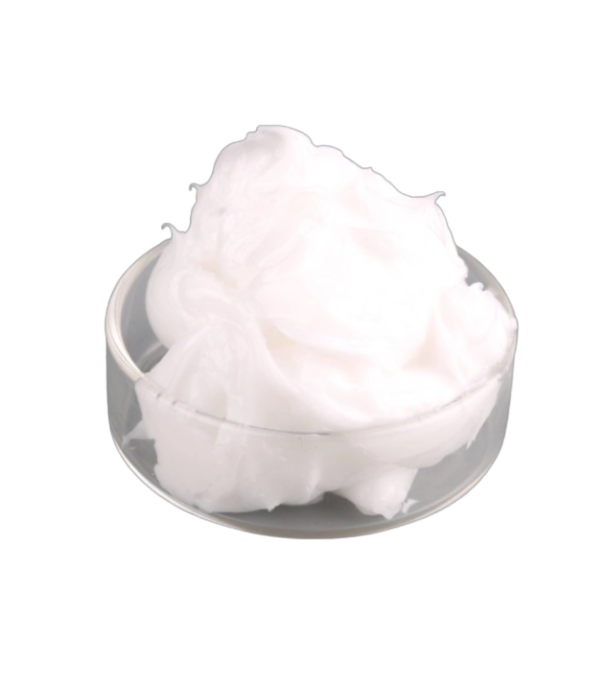
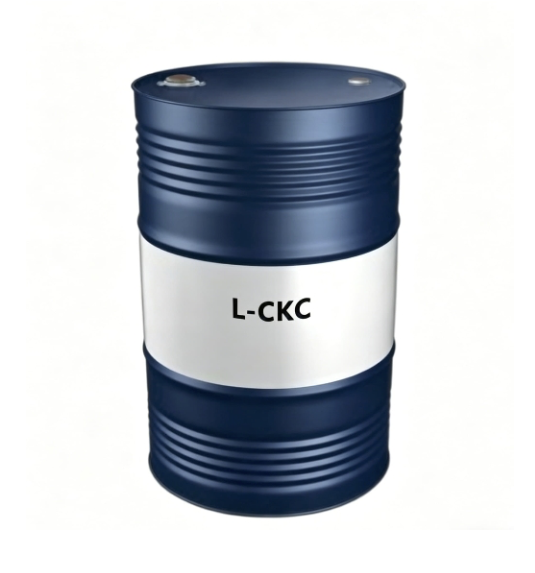
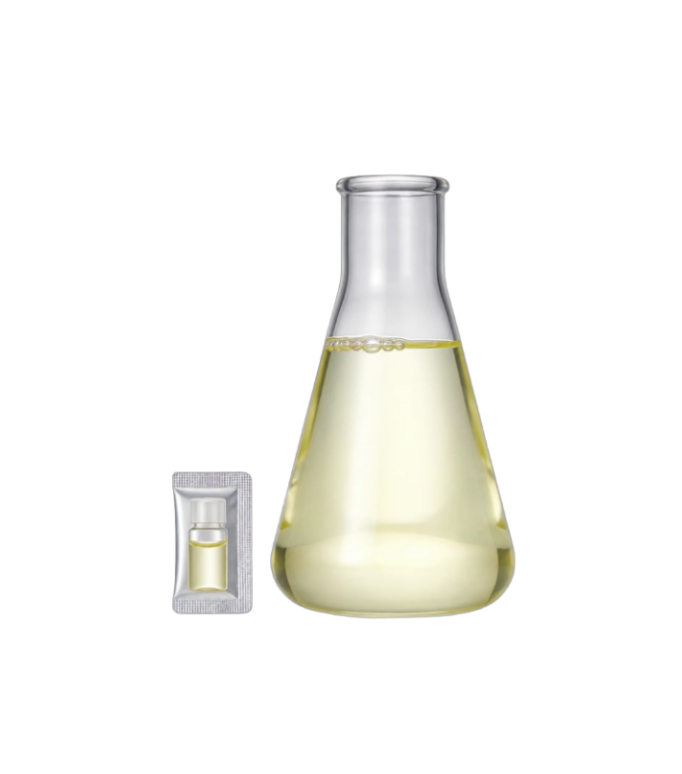
Industrial lubricants are specially formulated oils and greases used to reduce friction, wear, heat, and corrosion in industrial machinery and equipment. They form a protective barrier between moving or contacting surfaces to help components operate smoothly under varying loads, speeds, temperatures, and working conditions.
Common types of industrial lubricants include gear oils, hydraulic fluids, compressor oils, turbine oils, circulating oils, bearing greases, cutting fluids, and speciality lubricants. Depending on the application, formulations may offer properties such as anti-wear protection, oxidation resistance, corrosion protection, extreme-pressure performance, thermal stability or water resistance.
Applications of Industrial Lubricants
- Manufacturing machinery
This is used in machine tools, production lines, conveyors, presses, extrusion equipment, and other manufacturing machinery to reduce component wear and ensure continuous operation.
- Industrial gearboxes and drives
Gear oils protect gears, bearings, and transmission components from friction, surface wear, and heat during power transmission.
- Hydraulic systems
Hydraulic fluids lubricate pumps, valves, cylinders, and other components, transferring hydraulic power in industrial equipment.
- Power generation equipment
Turbine oils, gear oils and speciality greases are used in turbines, generators, bearings and auxiliary equipment to ensure reliable operation.
- Mining, construction and heavy industry
Heavy-duty lubricants are used in mining equipment, construction machinery, steel-processing equipment and other systems that operate under high loads, extreme pressures or in demanding environmental conditions.
Industrial Lubricants FAQs
- What are industrial lubricants used for?
They are used to reduce friction, wear, heat, and corrosion in machinery and equipment. They protect moving components and ensure stable operation in challenging industrial conditions.
- What are the main types of industrial lubricants?
Common types include gear oils, hydraulic fluids, compressor oils, turbine oils, circulating oils, bearing greases, cutting fluids, and speciality lubricants. The appropriate type depends on the equipment, components, and operating conditions.
- How do I choose the right industrial lubricant?
Selection should be based on the equipment manufacturer’s specifications, including viscosity requirements, operating temperature, load, speed, pressure, environmental conditions, and material compatibility. The lubricant should also meet any applicable performance or industry requirements.
- How often should industrial lubricants be changed?
Replacement intervals vary according to lubricant formulation, equipment design, operating conditions, contamination, and the manufacturer’s recommendations. Regular inspections and oil condition monitoring can help determine when maintenance or replacement is required.
- Can one industrial lubricant be used for multiple applications?
While some lubricants may be suitable for several applications, they should not be considered universally interchangeable. The viscosity, additive chemistry, temperature range, load requirements, and equipment specifications must be checked before using the same product in different systems.
- Why are additives used in industrial lubricants?
They are incorporated to provide specific performance characteristics, such as anti-wear protection, oxidation resistance, corrosion control, extreme-pressure performance, foam suppression, and improved thermal stability. The additive package is selected according to the intended industrial application.