


While it is sometimes possible to use dizel motor yağı in a petrol engine, this is only permitted when the oil specification, viscosity grade, and manufacturer requirements are compatible. According to the American Petroleum Institute’s (API) Engine Oil Licensing and Certification System, as well as the principles set out in SAE International’s lubrication standards, diesel engine oils are formulated with different additive packages to handle higher soot levels, heavier loads, and longer operating cycles. This means that they are not necessarily suitable for use in petrol engines.
Diesel engine oil introduction
Engine oil is one of the most important factors affecting the durability, efficiency, and operating performance of an engine. Many vehicle owners wonder whether diesel engine oil can be used in a petrol engine, particularly when they have leftover oil from another vehicle or are looking for an alternative lubricant.
The short answer is that it depends on the oil specification and the engine’s requirements. Some diesel engine oils can be used safely in certain petrol engines if they meet the required American Petroleum Institute (API) service category and viscosity rating. However, many diesel-specific oils are designed for heavy-duty diesel engines and contain additive formulations that may not meet the requirements of modern petrol engines.
It is essential to understand the differences between diesel and gasoline engine oils because using the wrong lubricant can affect emissions systems, fuel economy, engine cleanliness, and long-term reliability.
This article explains whether diesel oil can be used in gas engines, how the two types of oil differ, when cross-use may be acceptable, and how to select the correct oil for your engine.
What Is Diesel Engine Oil?
Diesel engine oil is a lubricant that has been specially developed for use in diesel-powered engines, particularly in heavy-duty applications such as trucks, construction equipment, agricultural machinery, marine engines, and industrial vehicles.
Diesel engines operate under different conditions than gasoline engines. They typically produce higher compression pressures and cylinder temperatures, as well as greater amounts of combustion by-products such as soot. Consequently, diesel engine oils are formulated with specialised additive systems designed to provide the following:
- Better soot control
- Strong oxidation resistance
- Improved wear protection
- Enhanced detergent performance
- Longer oil service life
A major difference between diesel and gasoline engines is the combustion process. Diesel engines use compression ignition, whereas gasoline engines use spark ignition. As diesel combustion produces more contaminants, diesel engine oil often contains higher levels of detergents and dispersants to keep internal components clean.
Heavy-duty diesel oils also need to protect engines that operate continuously under high loads. For instance, commercial trucks may run for many hours under demanding conditions, necessitating oils with robust thermal stability and wear resistance.
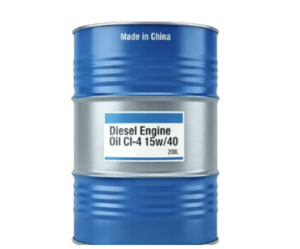
Can You Use Diesel Oil in a Gas Engine?
The answer depends on various factors, such as the oil certification, the engine design, and the manufacturer’s recommendations.
In some cases, diesel engine oil can be used in petrol engines. Some diesel oils carry dual certifications from the American Petroleum Institute (API), meaning they meet the performance requirements of both diesel and gasoline engines. These oils are commonly labelled with multiple service categories, such as API CK-4 combined with gasoline-compatible specifications.
However, using a diesel-only oil in a petrol engine is generally not recommended unless specifically approved by the manufacturer.
Modern petrol engines, especially turbocharged engines and vehicles with advanced emissions systems, require carefully balanced oil formulations. These engines may require specific additives to protect catalytic converters, turbochargers, timing chains, and low-friction components.
The safest approach is always to check the following:
- Vehicle owner’s manual requirements;
- API certification label;
- SAE viscosity grade;
- Manufacturer approval standards.
A bottle labelled ‘diesel engine oil’ does not automatically mean it is unsafe, but it also does not guarantee compatibility with every gasoline engine.
Key Differences Between Diesel Engine Oil and Gasoline Engine Oil
Although both oils perform the same basic function—reducing friction and protecting engine components—their formulations are designed for different operating environments.
-
Additive Packages
Diesel engine oils typically contain stronger detergent and dispersant additives because diesel combustion produces more soot and carbon deposits.
Gasoline engine oils focus more on protecting components under high-speed operation, maintaining fuel efficiency, and supporting emission-control systems.
-
Viscosity Characteristics
Many diesel engines operate under heavy loads and high temperatures, requiring oils with strong film strength.
Gasoline engines, especially modern fuel-efficient designs, often use lower-viscosity oils such as 0W-20 or 5W-30 to reduce friction and improve fuel economy.
Using an oil that is too thick may negatively affect cold starts, lubrication flow, and fuel efficiency.
-
Emission System Compatibility
Modern gasoline engines rely on sensitive emission-control technologies, including catalytic converters and oxygen sensors.
Some diesel oils may contain additive levels that are not optimized for gasoline emission systems. Over time, unsuitable oil formulations may contribute to deposits or reduced emissions component performance.
Diesel Engine Oil vs Gasoline Engine Oil Comparison
| Feature | Dizel Motor Yağı | Benzin Motor Yağı |
| Primary Application | Diesel engines, trucks, and industrial equipment | Passenger cars, motorcycles, gasoline vehicles |
| Combustion Environment | High compression, soot-producing combustion | Spark ignition, lower soot production |
| Additive Focus | Soot control, detergency, heavy-load protection | Fuel efficiency, emissions protection, and engine cleanliness |
| Typical Operating Conditions | Long-duration, high-load operation | Variable speed and temperature conditions |
| Common Viscosity Grades | 15W-40, 10W-30, 5W-40 | 0W-20, 5W-30, 10W-30 |
| Main Risk When Misused | Possible emissions or compatibility issues | May lack protection for heavy-duty diesel conditions |
Why Diesel Engine Oil May Not Be Suitable for Gas Engine?
Although diesel engine oil is generally a high-quality lubricant, ‘stronger’ does not necessarily mean ‘better’ for all engines.
Modern petrol engines are designed with specific lubrication requirements in mind. Manufacturers select oil formulations based on factors such as:
- Bearing clearance;
- Turbocharger design;
- Fuel injection technology;
- Emission system requirements;
- Variable valve timing systems.
A diesel oil designed for heavy-duty applications may have characteristics that do not match these requirements.
For example, some diesel oils have higher viscosity levels. While this provides excellent protection under heavy loads, excessive viscosity in a petrol engine can increase internal resistance and reduce fuel efficiency.
Another concern is additive compatibility. Certain diesel oils contain higher concentrations of metallic additives, such as detergents designed to control diesel soot. In petrol engines with sensitive catalytic converters, inappropriate levels of these additives may lead to long-term emissions system issues.
When Can Diesel Engine Oil Be Used in a Gasoline Engine?
In some cases, diesel engine oil can be used in gasoline engines.
The most common example of this is when the oil has dual-use certification. Some heavy-duty oils are formulated to meet the requirements of both diesel and petrol engines.
A petrol engine may also tolerate diesel oil in emergencies if:
- The oil meets the required viscosity grade;
- The oil carries the appropriate API gasoline certification;
- The vehicle manufacturer allows it;
- The use is temporary.
However, regular oil changes should always follow the recommended lubricant specification rather than relying on alternative products.
Understanding API Oil Classifications and Compatibility Standards
To determine whether a diesel engine oil can be used in a gasoline engine, it is essential to understand oil certification standards. Manufacturers not only classify engine oils by whether they are designed for diesel or gasoline engines; they also adhere to performance standards established by organisations such as the American Petroleum Institute (API) and SAE International.
The API service category displayed on an oil container provides important information about engine compatibility. Gasoline engine oils typically carry ‘S’ categories, while diesel engine oils usually carry ‘C’ categories. For instance, API SP is designed for modern gasoline engines, whereas API CK-4 is primarily intended for heavy-duty diesel applications.
However, some oils are formulated for both applications and display dual certification. These products may include both gasoline and diesel performance categories, making them suitable for a wider range of engines.
Vehicle owners should never select engine oil based solely on the words ‘diesel’ or ‘gasoline’ printed on the label. The correct choice depends on the following:
- API certification
- SAE viscosity grade
- Vehicle manufacturer specifications
- Engine design requirements
- Operating conditions
For instance, a modern turbocharged gasoline engine may require a low-viscosity oil with specific performance additives, whereas an older gasoline engine may tolerate a wider range of lubricants.
Risks of Using the Wrong Engine Oil
Using an unsuitable lubricant may not immediately cause engine failure, but long-term use can create performance and durability problems.
-
Reduced Fuel Efficiency
Engine oil viscosity directly affects internal friction. If a gasoline engine designed for low-viscosity oil receives a thicker diesel lubricant, the engine may require more energy to move internal components.
This increased resistance can reduce fuel economy, especially during cold starts and short-distance driving.
-
Poor Cold-Start Performance
Modern gasoline engines depend on rapid oil circulation during startup. Low-temperature lubrication is especially important because most engine wear occurs during the first few seconds after ignition.
A diesel engine oil with a higher viscosity rating may flow more slowly in cold conditions, delaying lubrication of critical components.
-
Potential Emission System Issues
Gasoline engines use advanced emission-control systems, including catalytic converters, particulate filters, and oxygen sensors.
Some diesel-specific oils contain additive levels designed for heavy-duty diesel operation rather than gasoline emission systems. Long-term use of unsuitable oil may contribute to deposits or reduced efficiency of emission-control components.
-
Reduced Engine Protection
The wrong oil may fail to provide the specific protection required by a gasoline engine.
Modern gasoline engines may require protection for:
- Turbocharger bearings
- Timing chain systems
- Variable valve timing mechanisms
- Low-friction components
An oil designed for a different engine environment may not provide the optimized performance required.
Choosing the Right Engine Oil for Different Applications
| Engine Application | Recommended Oil Type | Important Considerations |
| Modern gasoline passenger cars | Gasoline-certified synthetic oil | Follow the manufacturer’s viscosity and API requirements |
| Older gasoline engines | Conventional or synthetic gasoline oil | Consider mileage and operating conditions |
| Heavy-duty diesel trucks | Dizel motor yağı | Requires strong soot control and wear protection |
| Agricultural and industrial diesel equipment | Heavy-duty diesel lubricant | Designed for continuous high-load operation |
| Mixed fleet vehicles | Dual-certified engine oil | Must meet both diesel and gasoline specifications |
How to Select the Correct Engine Oil?
Selecting the correct engine oil requires more than choosing between diesel and gasoline labels. A systematic approach helps ensure proper engine protection.
Step 1: Check the Owner’s Manual
The vehicle manufacturer provides the most reliable oil recommendation. The manual usually specifies:
- Required viscosity grade
- API performance category
- Synthetic or conventional oil requirements
- Special manufacturer approvals
These recommendations are based on extensive engine testing.
Step 2: Match the SAE Viscosity Grade
SAE viscosity indicates how easily oil flows at different temperatures.
Examples:
- 0W-20: Common in modern fuel-efficient gasoline engines
- 5W-30: Widely used in passenger vehicles
- 10W-40: Often used in older engines
- 15W-40: Common in heavy-duty diesel applications
Using the wrong viscosity may affect lubrication performance, especially during startup and extreme temperatures.
Step 3: Verify Certification Labels
Always check the oil container label for official certification marks.
A suitable oil should match:
- API standards
- OEM approvals
- Industry specifications
For gasoline engines, look for gasoline-compatible API categories. For diesel engines, confirm heavy-duty diesel specifications.
Step 4: Consider Driving Conditions
Operating conditions influence oil selection.
Vehicles used for:
- Frequent short trips
- Extreme temperatures
- Heavy towing
- High-speed driving
- Commercial operation
may require different lubrication performance compared with normal daily driving.
Can Diesel Engine Oil Improve Gasoline Engine Performance?
A common misconception is that diesel engine oil is “stronger” and therefore may improve gasoline engine performance. While diesel oils are engineered for demanding environments, they are not automatically superior for gasoline engines.
A gasoline engine performs best when using oil specifically optimized for its design. Modern engine technology involves precise tolerances and advanced emissions systems, meaning lubricant chemistry must match the engine’s requirements.
A properly formulated gasoline engine oil can provide:
- Better fuel efficiency
- Cleaner combustion chambers
- Improved emission performance
- Reduced deposits
- Longer component life
The goal is not to choose the strongest oil but to choose the most compatible oil.
Frequently Asked Questions (FAQ)
- Can you put diesel engine oil in a gasoline engine?
Yes, but only in certain situations. Diesel engine oil can be used in some gasoline engines if it has the correct API gasoline certification, a suitable viscosity grade, and manufacturer approval. Diesel-only oil should generally be avoided for gasoline engines.
- What happens if I accidentally use diesel oil in my gas engine?
If the oil is compatible and the vehicle is driven normally, short-term use may not cause immediate problems. However, if the oil does not meet gasoline engine requirements, long-term use may affect fuel economy, emissions systems, and engine protection.
- Is diesel engine oil thicker than gasoline engine oil?
Not always, but many diesel oils are available in higher-viscosity grades, such as 15W-40, because heavy-duty diesel engines require a strong oil film. Modern gasoline engines often use lower-viscosity oils such as 0W-20 or 5W-30.
- Can diesel oil damage a catalytic converter?
Some diesel-specific oils may contain additive formulations that are not optimized for gasoline emission systems. Long-term use of unsuitable oil could potentially contribute to deposits or reduced catalytic converter performance.
- Is synthetic diesel engine oil better than regular gasoline oil?
Synthetic diesel oil is not automatically better for gasoline engines. Synthetic oils provide excellent protection, but the correct formulation and certification are more important than whether the oil is synthetic.
- How do I know which engine oil my car needs?
Check the vehicle owner’s manual, manufacturer recommendations, oil cap markings, and certification labels on the oil container. These sources provide the correct viscosity and performance requirements.
Sonuç
The question ‘Can you use diesel oil in a petrol engine?’ does not have a simple yes-or-no answer. While some diesel engine oils are compatible with petrol engines, many are designed for heavy-duty diesel engines and may not offer adequate protection for modern petrol technology.
The most important factor is whether an oil meets the required performance standards, viscosity specifications, and manufacturer recommendations, not whether it is labelled diesel or gasoline.
To ensure reliable engine protection, vehicle owners should always select lubricants based on certification and application requirements rather than making assumptions about oil strength. Properly selecting an engine oil helps to maintain fuel efficiency, reduce wear, protect emission systems, and extend engine service life.
As engine technology continues to evolve, lubrication requirements are becoming increasingly precise. Selecting the correct diesel engine oil or gasoline-compatible lubricant guarantees that each engine operates under the conditions for which it was designed.