


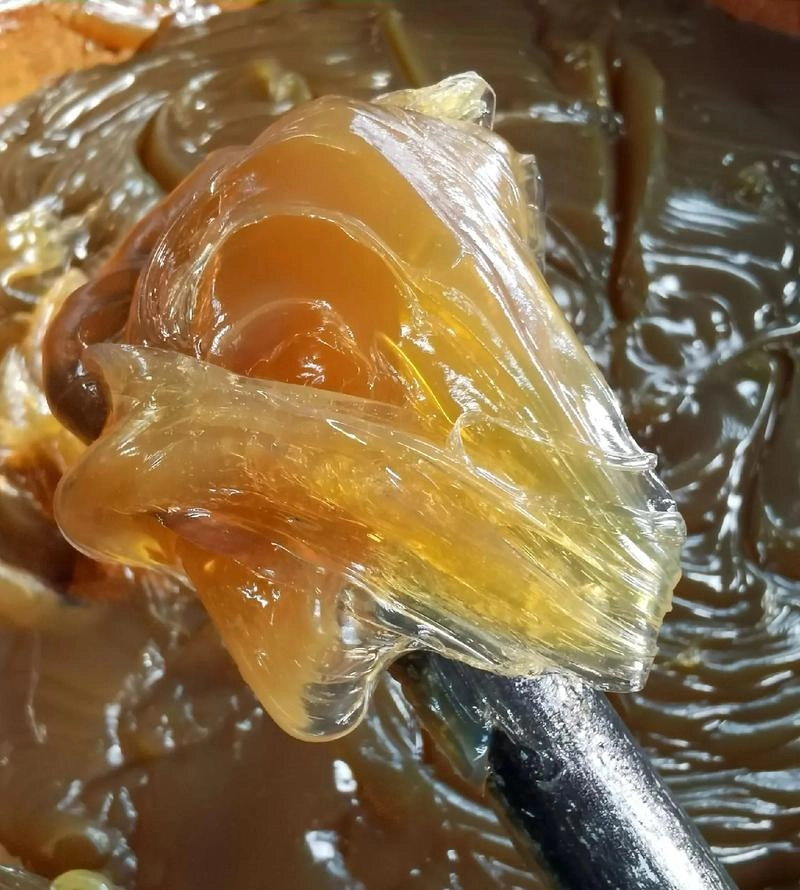
For food-processing applications, the best heat-transfer oil is usually a food-grade heat-transfer oil that is specifically formulated for the operating temperature of the system, as well as its thermal stability and oxidation resistance. It should also meet the requirements for incidental food contact. Highly refined mineral-based fluids are widely used in high-temperature systems, while other chemistries may be appropriate for different temperature ranges. The key is to select a fluid that remains stable under the actual operating conditions, carries the appropriate approval (such as NSF HT-1), and is suitable for incidental food contact. A study published in Applied Thermal Engineering found that food-grade heat-transfer fluids produced lower average carbon residue than non-food-grade fluids and emphasised the importance of non-fouling performance in food-processing systems.
What Is the Best Oil for Heat Transfer?
There is no single heat-transfer oil that is the best choice for all industrial processes. The most suitable fluid depends on factors such as the operating temperature, heater design, circulation rate, system pressure, oxygen exposure, heat-transfer requirements and maintenance practices. It also depends on whether the system is used for processing food, pharmaceuticals, or other sensitive products.
In a food-processing plant, however, a food-grade heat-transfer oil is usually the logical choice for a thermal-fluid system that could potentially expose the processed product to incidental leaks or contamination. The NSF categorises heat-transfer fluids intended for applications where incidental food contact is possible as HT-1. It is important to note that an HT-1 designation relates to the intended use and formulation review, and does not mean that the fluid is designed to be intentionally mixed with food.
The most suitable oil should therefore combine several characteristics rather than maximising one specification. A good thermal fluid should transfer heat efficiently and circulate reliably at the required temperature. It should also resist excessive thermal cracking and oxidation, limit sludge and carbon deposits, maintain predictable viscosity and remain compatible with the heater, pump, valves, seals and expansion system.
Therefore, rather than asking ‘What is the best oil for heat transfer?’, it is more useful to ask ‘Which heat-transfer fluid provides the required thermal performance and regulatory suitability throughout my operating range?’. This leads to a much more reliable selection process.
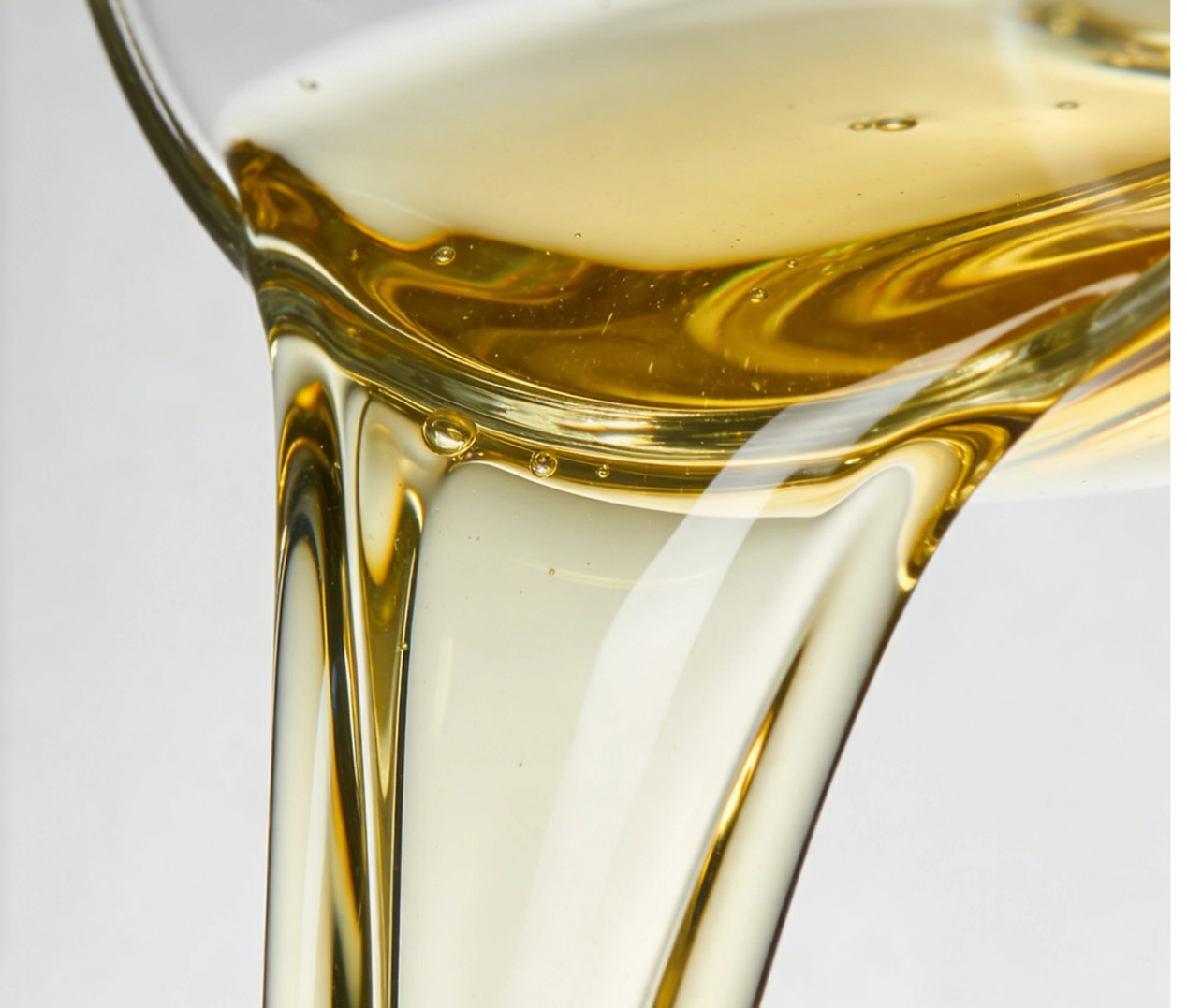
Why Food Grade Heat Transfer Oil Matters?
Indirect heating is frequently used in food-processing equipment because it allows heat to be transferred without putting the heating medium directly into contact with the food. Thermal fluid systems can heat vessels, ovens, dryers, fryers, jacketed reactors, and heat exchangers, as well as other processing equipment, while maintaining a relatively consistent temperature throughout the production system.
However, indirect heating does not eliminate the risk of contamination. A leaking heat exchanger, damaged seal, failed gasket, or maintenance error could create an incidental-contact scenario. Consequently, the thermal fluid itself needs to be selected according to the risk profile of the process rather than simply according to its heat resistance.
Research by Wright and colleagues is particularly relevant in this context, as it examined 1,223 heat transfer fluid samples, including 280 food-grade and 943 non-food-grade samples. The study reported a lower mean carbon residue and total acid number in the examined food-grade group and linked non-fouling behaviour to the reduced adhesion of degradation products to internal system surfaces.
This is significant from both a safety and maintenance perspective. Thermal degradation can produce light and heavy ends, as well as acids and carbonaceous material. Excessive deposits can reduce heat-transfer efficiency, contribute to hot spots, and increase maintenance requirements. This means that fluid stability affects not only product safety, but also the operating economics of the heating system.
Mineral-Based vs. Synthetic Heat Transfer Oil
One of the first decisions when selecting a heat-transfer fluid is whether a mineral-based or synthetic fluid is appropriate. Neither category should automatically be described as universally superior because the actual formulation and operating environment have a greater influence on performance than the word “synthetic” or “mineral” on a product label.
Highly refined mineral heat-transfer fluids have been used extensively in food-processing applications. The Applied Thermal Engineering research describes food-grade HTFs as highly refined mineral fluids and notes that these products can be formulated to be non-toxic, non-irritating, and low in odor while providing suitable thermal performance for food processing.
Synthetic fluids can be attractive when a process demands particular low-temperature behavior, high-temperature stability, extended fluid life, or a specialized performance envelope. However, a synthetic base fluid does not automatically make a product food grade. The formulation, additives, intended application, and applicable certification or regulatory status must still be verified.
| Selection factor | Mineral-based Minyak Transfer Panas Kelas Makanan | Synthetic Heat Transfer Fluid |
| Typical strength | Established technology and broad industrial use | Can provide specialized temperature and stability characteristics |
| Food-processing availability | Widely available in food-grade formulations | Available in selected food-grade formulations |
| Thermal performance | Strong when correctly formulated and operated | Depends on the specific synthetic chemistry |
| Oxidation resistance | Depends on base oil and additives | Often strong, but product-specific |
| High-temperature performance | Suitable within specified operating limits | Can offer a wider performance range in some formulations |
| Cost | Often comparatively economical | Commonly higher for specialized fluids |
| Main selection criterion | Actual operating range and fluid stability | Actual operating range, chemistry and compatibility |
| Certification | Must be verified for the intended food application | Must be verified; “synthetic” is not equivalent to “food grade” |
The practical lesson is straightforward: do not choose a heat-transfer oil from the base-fluid description alone. Compare the product’s recommended operating range, film-temperature limit, viscosity, flash point, thermal stability, oxidation behavior, compatibility information, and food-contact registration.
What Makes a Food Grade Heat Transfer Oil a Good Choice?
A high-quality food-grade heat transfer oil should have a stable viscosity profile that allows efficient circulation without placing an unnecessary load on the pump. If the viscosity is too high at start-up, the system may require more energy to circulate the fluid. Conversely, if the fluid becomes too thin at high temperatures, maintaining reliable hydraulic behaviour can be more challenging.
Thermal stability is equally important. Inside a heater, the fluid can experience a much higher film temperature than the average bulk temperature measured elsewhere in the system. If the heater surface becomes excessively hot due to poor circulation, inadequate flow, or excessive heat flux, localised degradation may occur, even if the measured bulk temperature appears acceptable.
This is one reason why selecting oil solely according to its nominal maximum operating temperature can be misleading. The actual safe operating envelope depends on the design of the heater, fluid velocity, heat flux, residence time, system pressure, and the difference between the bulk and film temperatures.
Oxidation is another major consideration, particularly in expansion tanks or other areas where hot fluid can come into contact with atmospheric oxygen. Oxidation can generate acids and sludge, while thermal degradation can produce lighter and heavier hydrocarbon fractions. Research literature on food-grade HTFs specifically identifies acid formation and carbon residue as useful indicators of fluid condition.
Why Fouling and Carbon Deposits Matter?
The efficient movement of thermal energy from the heater surface into the circulating fluid is essential for the effective operation of a heat-transfer system. When carbonaceous deposits accumulate on the inside of the heater, they create an insulating layer between the heat source and the fluid.
This can gradually alter the equipment’s thermal behaviour. It may take the system longer to reach the desired process temperature, while certain heater surfaces may become hotter than intended. Over time, these hot spots can contribute to further fluid degradation and potentially damage heater tubes or electrical heating elements.
A 2015 study by Applied Thermal Engineering is particularly useful here because it examined the non-fouling characteristics of food-grade and non-food-grade thermal fluids using historical test data. The researchers reported lower carbon residue and total acid number in the analysed food-grade group, and explained how degradation products can contribute to sludge, carbon deposits, and reduced heat-transfer efficiency.
Therefore, ‘food grade’ should not only be viewed as a regulatory label. In a well-designed system, a suitable fluid should support clean operation, predictable thermal performance, and manageable maintenance throughout its service life.
NSF HT-1: What Does It Actually Mean?
When evaluating a heat-transfer fluid for food-processing applications, NSF HT-1 is one of the most useful references. The NSF categorises HT-1 as heat-transfer fluids for which incidental food contact is possible. Current NSF registration documents state that HT-1 products are acceptable for use in situations where incidental food contact may occur, provided the quantity used is limited to the minimum required to achieve the intended technical effect.
This distinction is important because ‘food grade’, ‘food safe’, ‘food compatible ‘, and similar marketing phrases do not equate to a verified registration. Current NSF listings, for example, include multiple heat-transfer products from different manufacturers under HT-1, demonstrating that the category covers a range of commercially available formulations rather than one specific chemical type.
FDA requirements also provide an important regulatory reference for materials used with food-processing machinery. Under 21 CFR §178.3570, lubricants with incidental food contact can be used on equipment involved in the production, processing, packaging, or handling of food, provided that the specified regulatory conditions are met.
Therefore, when procuring products, it is sensible to verify the exact product name and current registration rather than relying on a supplier’s general statement that their oils are suitable for food processing.
How to Choose the Right Heat Transfer Oil for Your System?
The best fluid should be selected from the actual operating conditions of the equipment. Before purchasing, collect the heater’s normal operating temperature, maximum bulk temperature, expected film temperature, circulation rate, pump requirements, expansion-tank arrangement, and system volume.
Next, identify how the thermal fluid will be exposed to oxygen and how often the system operates at elevated temperature. A continuously operating closed-loop system has different fluid-aging behavior from a system that experiences frequent shutdowns, startup cycles, and temperature fluctuations.
The following checklist provides a practical starting point:
| Parameter | Why It Matters | What to Check |
| Operating temperature | Determines whether the fluid remains within its stable range | Normal and maximum bulk temperature |
| Film temperature | Heater surfaces may be significantly hotter than bulk fluid | Manufacturer’s maximum film-temperature guidance |
| Viscosity | Influences pumping and heat circulation | Viscosity at startup and operating temperature |
| Flash point | Relevant to thermal-fluid fire risk and operating safety | Product technical data and system design |
| Thermal stability | Determines resistance to high-temperature degradation | Manufacturer’s stability data |
| Oxidation stability | Important where hot oil contacts oxygen | Expansion-tank and system design |
| Fouling tendency | Deposits reduce heat-transfer efficiency | Carbon residue/sludge tendency |
| Food-contact status | Determines suitability for incidental food contact | Current NSF HT-1 or applicable regulatory status |
| Kompatibilitas | Prevents seal, gasket, and material problems | Equipment manufacturer’s recommendations |
| Fluid monitoring | Helps identify degradation before serious failure | TAN, viscosity, flash point and other condition tests |
The manufacturer’s technical data should always take precedence over generic temperature figures found in online articles. A fluid rated for a particular maximum temperature under one system configuration should not automatically be assumed suitable for another heater design.
How Long Does Food Grade Heat Transfer Oil Last?
There is no universal replacement interval for heat-transfer oil. Its service life depends on factors such as temperature, heater design, circulation, oxygen exposure, contamination, fluid volume, and operating hours, as well as how effectively the system is maintained.
Rather than replacing thermal oil simply because a predetermined number of years have elapsed since it was installed, many industrial users monitor its condition through periodic sampling. The condition of the fluid can reveal whether degradation is accelerating and whether corrective action is necessary.
Relevant measurements may include viscosity, total acid number, flash point, carbon residue, insoluble material, and light-end or heavy-end content, depending on the fluid and the laboratory’s analytical programme. Research on mineral-based thermal fluid systems has emphasised the importance of routine sampling and chemical analysis for assessing ongoing fluid condition and the effectiveness of maintenance interventions.
This approach is more informative than relying solely on calendar age. For example, a relatively new fluid that has been severely overheated may be in poorer condition than an older fluid that has operated within its recommended temperature range and has been regularly monitored.
Common Applications of Food Grade Heat Transfer Oil
Food-grade heat transfer oil is particularly useful where indirect heating is required, and the thermal fluid circuit is located close to food processing operations. It is used in industrial ovens, baking systems, frying equipment, cooking vessels, jacketed tanks, dryers, heat exchangers, and other continuous or batch thermal processing equipment.
In bakery applications, for instance, thermal oil can provide ovens with controlled indirect heat while preventing direct contact with combustion gases or steam. In food manufacturing plants, jacketed vessels use thermal fluid to heat sauces, oils, syrups and other ingredients or process materials, maintaining a stable temperature throughout the vessel wall.
The same principle applies to the production of pharmaceuticals and speciality chemicals, although the regulatory requirements and acceptable fluid chemistry may differ from those in food processing. The common engineering requirement is reliable indirect heat transfer without excessive risk of degradation or contamination.
For food production facilities, however, the selection process should consider more than just thermal performance. The fluid must fit into the site’s broader food safety programme, including documented purchasing, storage and filling procedures, maintenance controls, and verification of the exact product being used.
Common Mistakes When Selecting Heat Transfer Oil
A common mistake is to choose a fluid based on the highest advertised temperature. The maximum temperature tells us little about how the fluid will behave under a particular heater’s surface heat flux, or how quickly it will degrade if circulation is inadequate.
Another mistake is assuming that all mineral oils are food grade. While FDA regulations specify particular conditions for substances used in applications involving incidental food contact, NSF registration is product-specific. Therefore, the actual formulation and approved use must be checked.
A third mistake is ignoring the expansion tank. Exposing hot thermal fluid unnecessarily to oxygen can cause it to oxidise more rapidly, potentially increasing acid and sludge formation. Proper system design, an appropriate expansion tank configuration, and regular fluid analysis are therefore integral to thermal fluid management rather than optional extras.
Finally, replacing oil without identifying the cause of degradation can lead to repeated failures. If carbon deposits are caused by excessive heater film temperature, poor circulation, or another system problem, simply installing new oil may only provide a temporary improvement.
Food Grade Heat Transfer Oil FAQs
- What is the best oil for heat transfer in food processing?
A suitable Food Grade Heat Transfer Oil should match the system’s operating temperature, thermal stability, viscosity, and equipment requirements. When incidental food contact is possible, the exact product should also have an appropriate food-contact status such as NSF HT-1.
- Is mineral oil suitable for food-grade heat transfer?
Highly refined mineral-based thermal fluids are used in food-processing heat-transfer systems. However, not every mineral oil is food grade, so the exact formulation and applicable registration or regulatory status must be verified.
- What is NSF HT-1 heat transfer oil?
NSF HT-1 is a category for heat-transfer fluids used where incidental food contact is possible. It does not mean the fluid is intended to be deliberately added to food or used as a food ingredient.
- How often should food-grade heat transfer oil be replaced?
There is no universal replacement interval because thermal-fluid life depends on operating temperature, oxidation, contamination, and system design. Regular laboratory analysis can provide a more useful indication of fluid condition than relying only on service age.
- What causes heat transfer oil to degrade?
Excessive temperature, high heater-film temperature, oxidation, poor circulation, and contamination can accelerate thermal-fluid degradation. Degradation may produce light ends, heavy ends, acids, sludge, and carbonaceous deposits.
- Can food-grade heat transfer oil be used in any industrial heating system?
A food-grade thermal fluid can be suitable for many industrial systems, but its operating range and chemical compatibility must match the equipment. A fluid should never be selected solely because it carries a food-grade designation.
Kesimpulan
The best oil for heat transfer depends on the system, but food processing generally requires a more careful selection process than conventional industrial heating. A food-grade heat transfer oil should provide reliable thermal performance while remaining stable under the system’s operating conditions and meeting the requirements for incidental food contact.
For high-temperature food processing, highly refined mineral-based food-grade thermal fluids are well established, and published research has demonstrated their non-fouling characteristics compared to non-food-grade fluids. Synthetic fluids may also be appropriate if their performance characteristics match the process requirements, but ‘synthetic’ should never be considered synonymous with ‘food grade’.
Therefore, the most defensible purchasing decision is based on operating temperature, film temperature, viscosity, thermal stability, oxidation resistance, fouling tendency, equipment compatibility, and verified food-contact status. In particular, when incidental food contact is possible, checking the current registration of the exact product — not merely the manufacturer’s general marketing claims — provides a much stronger basis for selecting a heat-transfer fluid. Current NSF records demonstrate that multiple commercial heat-transfer fluids are registered under HT-1, showing that the most suitable oil depends on the application rather than there being a single universally “best” oil.