


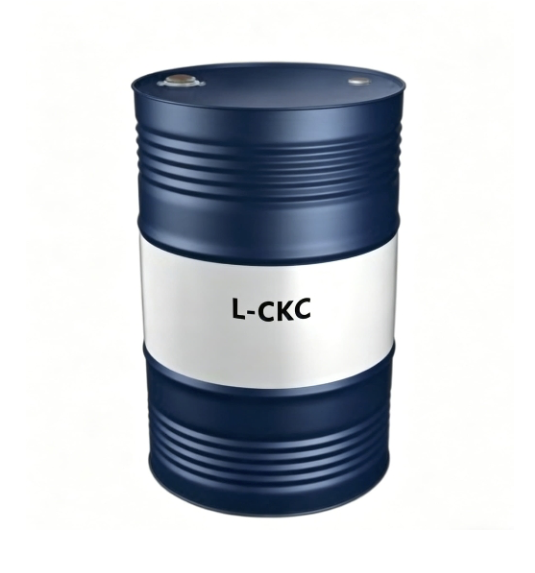
Automotive lubricants used in vehicle body manufacturing are specialised industrial formulations designed to reduce friction, prevent wear and tear, protect metal surfaces and improve production efficiency. The three main types are stamping lubricants, assembly lubricants and rust-preventive lubricants. Each type plays a distinct role in metal forming, assembly and storage. According to the Society of Automotive Engineers (SAE), the Society of Tribologists and Lubrication Engineers (STLE) and the ASM Handbook: Friction, Lubrication, and Wear Technology, selecting the correct lubricant can significantly improve component quality, tooling life, corrosion resistance and manufacturing consistency.
Modern automotive lubricants are engineered to do more than just reduce friction; they are also designed to optimise forming performance, enhance surface finish, reduce maintenance costs, and support environmentally responsible manufacturing processes.
Introduction
Vehicle manufacturing has evolved into one of the world’s most technologically advanced production industries. Modern automotive plants operate highly automated stamping lines, robotic welding stations, painting systems and precision assembly cells, and every stage of the production process depends on carefully controlled parameters.
Lubrication is one such parameter and plays an essential yet often overlooked role. Without the correct automotive lubricants, metal sheets may crack during forming, stamping dies may wear out prematurely, assembled components may experience excessive friction and finished body panels may become susceptible to corrosion before the final coat of paint is applied.
Today, automotive body lubrication extends far beyond simply applying oil to moving parts. It encompasses a range of specialised products developed for different manufacturing processes, each designed to address unique tribological challenges involving friction, heat generation, metal deformation, contamination control and surface protection.
Understanding the three main types of automotive body lubricant can help manufacturers to improve production efficiency, extend tool life, reduce operational costs and maintain the high surface quality required by the modern automotive industry.
What Is an Automotive Lubricant?
An automotive lubricant is a specially formulated fluid or semi-solid designed to reduce friction and wear between moving parts while performing additional functions such as cooling, corrosion protection, contamination control, sealing and surface conditioning.
Unlike engine oils, which are designed to lubricate internal combustion engines, automotive body lubricants are formulated specifically for manufacturing operations. Their performance is evaluated by factors such as:
- Load-carrying capacity
- Film strength
- Washability
- Compatibility with coatings and paints
- Corrosion resistance
- Environmental impact
- Ease of removal before downstream processing
These lubricants must remain effective under the extreme pressures generated during stamping, while also being compatible with modern automated production systems and increasingly stringent environmental regulations.
As automotive manufacturers increasingly adopt advanced high-strength steels (AHSS), aluminium alloys and mixed-material body structures, the performance of lubricants has become even more critical, as these materials present greater forming challenges than conventional carbon steel.
Why Automotive Body Lubrication Matters?
Every metal-forming operation generates friction. Significant mechanical stress develops at the contact surfaces when sheet metal slides across stamping dies or components move through assembly fixtures.
Without effective lubrication, manufacturers may experience the following issues:
- Surface scratches
- Galling and adhesive wear
- Tool failure
- Increased forming forces
- Material tearing
- Poor dimensional accuracy
- Higher production costs
Proper lubrication creates a protective film between contacting surfaces, reducing direct metal-to-metal contact while distributing pressure more evenly throughout the forming process.
In addition to improving manufacturing performance, automotive lubricants also contribute to the following:
- Longer die service life
- Reduced maintenance frequency
- Improved product consistency
- Lower reject rates
- Better paint adhesion after cleaning
- Enhanced corrosion protection during storage and transportation
These benefits explain why lubricant selection has become an integral part of automotive process engineering rather than a simple maintenance consideration.
The Three Main Types of Automotive Body Lubricants
Although dozens of specialty lubricant formulations exist, most automotive body manufacturing operations rely on three principal categories.
Stamping Lubricants
Stamping lubricants are applied before sheet metal enters forming dies. Their primary purpose is to minimize friction between the workpiece and tooling during deep drawing, bending, punching, stretching, and blanking operations.
During metal deformation, localized pressures can exceed several hundred megapascals. Under these conditions, insufficient lubrication may lead to severe die wear, excessive heat generation, and surface damage.
Modern stamping lubricants are formulated with:
- High-pressure additives
- Extreme-pressure (EP) agents
- Anti-wear compounds
- Synthetic or semi-synthetic base fluids
- Corrosion inhibitors
These additives create a durable lubricating film that withstands extreme forming loads while maintaining an excellent surface finish.
Common applications include:
- Automotive door panels
- Hood panels
- Roof structures
- Side panels
- Floor assemblies
- Structural reinforcement components
As manufacturers increasingly process advanced high-strength steels and aluminum alloys, stamping lubricants have become more sophisticated to support greater forming complexity while reducing material springback and tool wear.
Assembly Lubricants
Assembly lubricants are used after component fabrication to facilitate the installation and movement of mechanical parts during vehicle assembly.
Unlike stamping lubricants, which must tolerate extreme forming pressures, assembly lubricants focus on providing controlled friction, preventing seizure, and protecting mating surfaces during installation.
Typical applications include:
- Door hinges
- Seat adjustment mechanisms
- Window regulators
- Locking systems
- Fasteners
- Threaded connections
- Sliding rails
Modern assembly lubricants often contain advanced additives that provide:
- Excellent boundary lubrication
- Long-term wear protection
- Low-temperature performance
- Water resistance
- Oxidation stability
- Noise reduction
Many formulations remain effective throughout the service life of the vehicle, minimizing maintenance requirements while improving customer satisfaction.
Rust Preventive Lubricants
Vehicle body components are frequently stored or transported before painting and final assembly. During this period, exposure to humidity, condensation, or airborne contaminants can initiate corrosion, particularly on untreated steel surfaces.
Rust preventive lubricants are designed to create a thin protective barrier that isolates metal surfaces from moisture and oxygen, thereby reducing oxidation.
These products are commonly applied to:
- Stamped body panels
- Welded assemblies
- Spare parts
- Chassis components
- Exported vehicle kits
- Warehouse inventory
Depending on storage duration and environmental conditions, manufacturers may choose oil-based, wax-based, or dry-film corrosion preventive formulations.
In addition to corrosion resistance, modern rust preventive lubricants are engineered for easy removal before painting or coating operations, ensuring they do not interfere with subsequent manufacturing processes.
Comparison of the Three Main Types of Automotive Lubricants
| Lubricant Type | Primary Function | Typical Manufacturing Stage | Main Benefits |
| Stamping Lubricant | Reduce friction during metal forming | Stamping and deep drawing | Improves formability, reduces die wear, enhances surface finish |
| Assembly Lubricant | Reduce friction between moving components | Mechanical assembly | Prevents wear, lowers noise, improves installation efficiency |
| Rust Preventive Lubricant | Protect metal surfaces from corrosion | Storage, transportation, pre-painting | Prevents oxidation, extends storage life, protects product quality |
Although these three categories serve different purposes, they work together throughout the automotive manufacturing process to improve efficiency, reduce production defects, and ensure long-term vehicle durability.
Key Considerations Before Selecting an Automotive Lubricant
Selecting the correct automotive lubricant involves more than simply matching a product to a process. Engineers typically evaluate several technical factors, including:
- Base material compatibility: Steel, galvanised steel, aluminium and mixed-metal assemblies require different lubrication characteristics.
- Forming severity: Deep drawing and complex stamping require a higher film strength than light forming operations.
- Surface quality requirements: Exterior body panels require lubricants that minimise scratches and are easy to clean before painting.
- Environmental compliance: Modern automotive plants are increasingly favouring low-VOC, biodegradable and chlorine-free lubricants in order to meet sustainability goals.
- Downstream processing: Lubricants must be compatible with welding, phosphating, painting and adhesive bonding processes, and must not leave harmful residues.
Selecting the appropriate lubricant based on these criteria helps manufacturers to balance productivity, tooling life, product quality and environmental responsibility.
How Each Automotive Lubricant Works?
Although stamping lubricants, assembly lubricants, and rust preventive lubricants all belong to the broader category of automotive lubricant, they function through different tribological mechanisms. Their formulations are specifically engineered to address distinct manufacturing challenges rather than serving as interchangeable products.
Stamping Lubricants: Reducing Friction Under Extreme Pressure
Stamping lubricants operate by forming a high-strength lubricating film between the metal sheet and the stamping die. During deep drawing or forming, contact pressure may reach hundreds of megapascals, generating intense friction and localized heat. Without sufficient lubrication, direct metal-to-metal contact can cause galling, scoring, excessive die wear, or even cracking of the workpiece.
Modern stamping lubricants contain carefully balanced additives such as extreme-pressure (EP) agents, anti-wear compounds, friction modifiers, and corrosion inhibitors. These additives maintain lubricant film integrity even under severe deformation, enabling smoother material flow through the die cavity. As a result, manufacturers can improve dimensional accuracy, reduce forming defects, and extend tooling life.
Another important advantage is process consistency. Stable lubrication helps maintain repeatable forming performance across long production runs, which is essential in high-volume automotive manufacturing where even small variations can affect downstream assembly quality.
Assembly Lubricants: Protecting Components During Installation and Service
Assembly lubricants are formulated to minimize friction between moving or contacting mechanical components during installation and throughout the vehicle’s operational life. Unlike stamping lubricants, which are often removed before painting, many assembly lubricants remain on the component permanently.
These lubricants create a durable boundary lubrication layer that reduces wear under low-speed, high-load conditions. They also protect components from fretting corrosion, suppress noise and vibration, and improve the smooth operation of hinges, locks, seat tracks, and window regulators.
High-performance assembly lubricants often incorporate synthetic base oils combined with lithium, calcium, or polyurea thickeners, allowing them to withstand temperature fluctuations, moisture exposure, and long service intervals without significant degradation.
Rust Preventive Lubricants: Creating a Protective Barrier
Rust preventive lubricants function differently from friction-reducing products. Their primary objective is to isolate the metal surface from oxygen, moisture, and corrosive contaminants.
After application, these lubricants form a thin, continuous protective film that prevents electrochemical corrosion. Depending on storage duration and environmental conditions, the protective layer may be oil-based, wax-based, or solvent-free.
Many modern formulations are designed to offer dual functionality by providing both temporary corrosion protection and light lubrication during transportation or intermediate handling. They are also engineered for easy removal before phosphating, electrocoating, or painting to ensure excellent coating adhesion.
Choosing the Right Automotive Lubricant
Selecting the right lubricant means evaluating the whole manufacturing process, not just a single operation. Engineers typically consider several critical factors.
- Material type: Different materials such as Advanced High-Strength Steel (AHSS), galvanised steel, aluminium alloys and mixed-material body structures exhibit different friction behaviours. Lubricants must be compatible with the specific substrate to avoid staining, surface defects or reduced formability.
- Manufacturing process: Deep drawing, blanking, roll forming, robotic assembly and storage each require different lubrication characteristics. A lubricant optimised for stamping is unlikely to perform effectively as a long-term assembly lubricant.
- Environmental Requirements: Many automotive manufacturers have adopted sustainability initiatives that prioritise biodegradable, chlorine-free, boron-free and low-VOC lubricant formulations. These products reduce environmental impact while helping companies comply with increasingly stringent regulations.
- Cleaning compatibility: Automotive body components often undergo washing, phosphating and electrocoating before painting. Lubricants must be removable without leaving residues that could interfere with surface treatment or paint adhesion.
- Cost of ownership: Although premium lubricants generally have a higher purchase price, they can reduce overall manufacturing costs by extending tool life, minimising downtime, lowering rejection rates and decreasing maintenance frequency.
Automotive Lubricant Selection Guide
| Manufacturing Process | Recommended Automotive Lubricant | Primary Benefit | Typical Components |
| Deep drawing | Stamping lubricant | High-pressure protection | Door panels, hoods, roofs |
| Punching and blanking | Stamping lubricant | Reduced tool wear | Structural parts |
| Robotic assembly | Assembly lubricant | Smooth component movement | Hinges, locks, fasteners |
| Sliding mechanisms | Assembly lubricant | Long-term wear protection | Seat rails, window regulators |
| Warehouse storage | Rust preventive lubricant | Temporary corrosion protection | Body panels, chassis parts |
| Overseas transportation | Rust preventive lubricant | Moisture and salt resistance | CKD/SKD vehicle kits |
This selection guide demonstrates that each lubricant category addresses a specific manufacturing objective. Choosing the correct product improves productivity, reduces operational costs, and enhances final product quality.
Emerging Trends in Automotive Lubricant Technology
The automotive industry is undergoing a period of rapid transformation, driven by electrification, the use of lightweight materials, digital manufacturing and a focus on sustainability. These developments are also reshaping lubricant technology.
One notable trend is the widespread adoption of environmentally friendly lubricant formulations. Manufacturers are increasingly favouring products that are biodegradable, heavy metal-free, and low in volatile organic compounds (VOCs), thereby reducing their environmental impact while maintaining high performance.
Another significant development is the creation of lubricants designed specifically for advanced lightweight materials, such as aluminium alloys and ultra-high-strength steels. These materials require lubricants that can maintain stable friction characteristics under higher forming loads without compromising surface quality.
Smart manufacturing is also influencing lubricant management. Modern production facilities use sensors to monitor lubricant concentration, viscosity, temperature and contamination levels in real time. Combined with Industrial Internet of Things (IIoT) platforms, this data enables predictive maintenance and optimised lubricant replacement schedules, reducing waste and improving production efficiency.
Finally, lubricant developers are working to improve compatibility with automated cleaning systems, robotic dispensing equipment and advanced coating technologies to ensure seamless integration into highly automated vehicle manufacturing lines.
Frequently Asked Questions (FAQ)
- What are the three main types of automotive body lubricants?
The three primary types are stamping lubricants, assembly lubricants, and rust preventive lubricants. Each is designed for a different stage of automotive body manufacturing.
- Why are stamping lubricants important?
Stamping lubricants reduce friction during metal forming, minimize die wear, improve surface finish, and help prevent cracking or tearing of sheet metal.
- Can one automotive lubricant be used for all manufacturing processes?
Generally, no. Each lubricant is formulated for specific operating conditions, and using the wrong type may reduce efficiency, increase wear, or interfere with downstream processes such as painting.
- Are modern automotive lubricants environmentally friendly?
Many current formulations are biodegradable, low-VOC, chlorine-free, and designed to meet increasingly strict environmental regulations while maintaining excellent lubrication performance.
- How do rust preventive lubricants differ from ordinary oils?
Rust-preventative lubricants are formulated to create a protective barrier against moisture and oxygen, providing temporary corrosion protection during storage and transportation, in addition to light lubrication.
- How should manufacturers choose an automotive lubricant?
Selection should be based on the manufacturing process, substrate material, forming complexity, cleaning requirements, environmental compliance, and total lifecycle cost rather than purchase price alone.
الخلاصة
The three main types of automotive lubricant — stamping lubricants, assembly lubricants and rust-preventive lubricants — play complementary roles in the manufacture of automotive bodies. Although they address different engineering challenges, they all contribute to reducing friction, minimising wear, protecting metal surfaces and improving manufacturing efficiency.
Selecting the appropriate lubricant requires careful consideration of factors such as material type, forming severity, assembly requirements, corrosion exposure, environmental regulations and downstream processing. An effective lubrication strategy enhances product quality, reduces tooling costs, improves operational reliability and supports sustainable manufacturing practices.
As the automotive industry continues to evolve towards lightweight materials, electric vehicles and intelligent factories, lubricant technologies will remain critical in achieving higher productivity, superior surface quality and long-term manufacturing competitiveness.