
The most suitable oil for preventing rust depends on the metal, the level of moisture exposure, the temperature, the cleaning process, and the required protection period. For food-processing equipment where incidental food contact is possible, a food-grade rust-preventative oil with the appropriate NSF H1 classification is a logical choice, provided it delivers the required corrosion protection. NSF explains that H1 lubricants are intended for applications where incidental food contact may occur, and are formulated to meet applicable requirements. References: NSF, ‘Food Grade Lubricants & Registrations’; ‘NSF information on ISO 21469 hygiene requirements’; and ‘NSF-listed food-grade anti-corrosion products’.
What Is the Best Oil for Rust Prevention?
There is no single rust-prevention oil that is suitable for all applications. The most suitable product depends on the environment in which the metal will be used, the type of corrosion risk present, the material to be protected, and whether the equipment will be exposed to food or food-processing conditions. For example, a general industrial corrosion-preventive oil may be appropriate for machinery stored in a dry warehouse, whereas equipment in a meat-processing, dairy, beverage, bakery, or other food production facility requires additional consideration about food contact classification.
The most important distinction for food-processing equipment is between food-grade status and actual rust-prevention performance. A product may be suitable for incidental food contact without being optimised specifically for corrosion prevention, whereas a highly effective industrial rust inhibitor may not be suitable for a food-processing environment. The NSF H1 category is designed for lubricants used where incidental food contact may occur. However, H1 classification does not mean that all H1 lubricants have the same anti-corrosion performance.
This is why a food-grade rust-preventative oil should be evaluated as a complete formulation rather than simply by its base oil. The effectiveness of the oil in providing meaningful protection is influenced by corrosion inhibitors, film-forming properties, water resistance, viscosity, oxidation stability, application method, and compatibility with the equipment.
How Does Oil Prevent Rust?
Rust develops when iron or steel comes into contact with moisture and oxygen. Salts, acids, contaminants, and certain cleaning residues can accelerate the corrosion process. The primary function of a rust-preventative oil is to minimise this exposure by creating a protective barrier on the metal surface.
An effective corrosion-preventative formulation does more than simply leave the surface oily. Its additives can improve wetting and surface coverage, displace or resist water, and form a persistent barrier that minimises the metal’s interaction with corrosive substances. This protective film’s performance is particularly important in industrial environments where the metal may repeatedly come into contact with humidity, condensation, wash water, or chemical residues.
The film also needs to remain stable for the expected protection period. For example, a low-viscosity oil that spreads easily may be ideal for one application, whereas a more persistent film may be preferable for equipment that will remain idle for an extended period. Consequently, rust prevention should be considered in terms of a combination of oil chemistry, film behaviour, application technique and environmental exposure.
This is even more important in food-processing plants, where cleaning and sanitation can repeatedly remove protective films. After washing, the exposed metal may be clean, yet highly susceptible to condensation and moisture. This makes post-cleaning corrosion protection an essential component of preventive maintenance.
What Makes Food Grade Rust Preventative Oil Different?
A food-grade rust preventative oil has two functions: it must protect equipment from corrosion, and it must be formulated for use in food-processing environments where incidental food contact may occur. This dual requirement distinguishes it from many conventional industrial rust-preventative oils.
The NSF explains that H1 lubricants are intended for use in food processing applications where incidental food contact may occur. The organisation also identifies ISO 21469 as a hygiene standard that addresses lubricants used in machinery where the lubricant may come into contact with products or packaging during the manufacturing process.
It is important to note that “food grade” does not imply that the oil is intended for deliberate consumption or intentional mixing with food. H1 lubricants are specifically associated with incidental contact, and the permitted application conditions must still be followed.
This distinction is particularly pertinent when rust-preventative oil is applied to exposed machine surfaces. The maintenance procedure should control the quantity applied, prevent unnecessary accumulation, and follow the lubricant manufacturer’s instructions for removal or wiping before the equipment returns to production.
NSF’s public listings demonstrate that food-grade corrosion control products are available in various formulations and viscosity grades, including anti-corrosion process oils and anti-rust products for use in food production. This further emphasises that selecting a product based solely on the term ‘food grade’ is insufficient.
Mineral Oil vs. Synthetic Oil for Rust Prevention
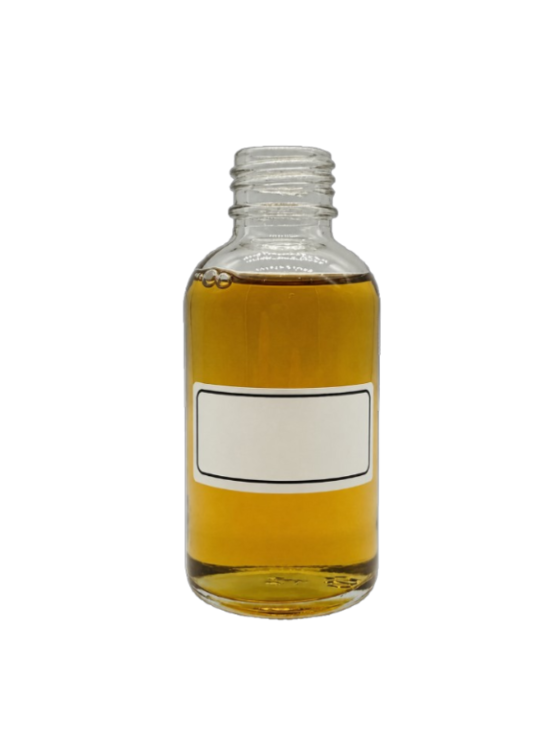
Mineral and synthetic base oils can both be used in corrosion-preventive formulations, but the base oil alone does not determine the final rust-prevention performance. Additive chemistry, viscosity, water resistance, oxidation stability, and film persistence are equally important.
Food-grade mineral oil is often attractive for general maintenance because it is widely available and can provide good surface coverage. In moderate environments, a properly formulated mineral-based rust preventative can provide effective protection without requiring the cost or specialized performance characteristics associated with some synthetic formulations.
Synthetic base oils, including PAO-based formulations, can provide advantages in demanding conditions depending on the specific formulation. These may include improved oxidation stability, wider temperature capability, longer service intervals, or better performance under particular operating conditions.
However, it would be misleading to say that synthetic oil is automatically better for rust prevention. A well-formulated food-grade mineral corrosion inhibitor may be a better fit for a specific application than a synthetic lubricant that was designed primarily for another purpose.
| Oil or Product Type | Main Characteristics | Rust-Prevention Consideration | Typical Food-Industry Use |
| Food-grade mineral oil | Good coverage and practical cost | Performance depends on inhibitor package | General maintenance and surface protection |
| Food-grade synthetic oil | Strong oxidation and temperature performance in suitable formulations | Check corrosion and water-resistance data | Demanding machinery environments |
| Food-grade anti-corrosion oil | Specifically formulated for corrosion control | Usually more suitable for dedicated rust protection | Exposed metal and equipment preservation |
| Food-grade penetrating oil | Good penetration into tight areas | May provide shorter-lived protection than dedicated preservatives | Fasteners, joints and maintenance work |
| Food-grade spray rust preventative | Easy and uniform application | Coverage and film thickness require control | Rails, machine surfaces and exposed components |
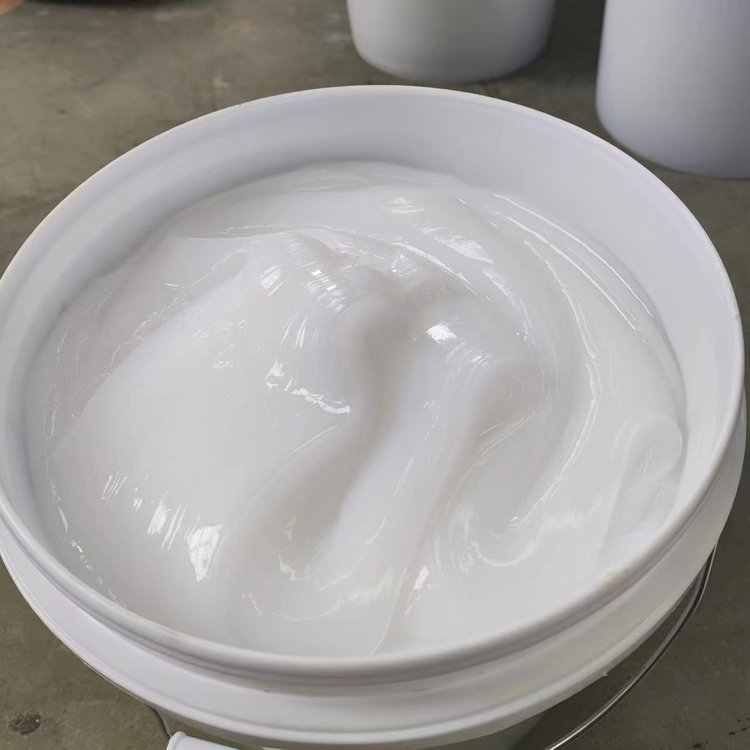
| Food-grade grease | Persistent film and strong mechanical adhesion | Too heavy for some exposed-surface applications | Bearings, gears and slow-moving mechanisms |
Which Properties Matter Most in a Rust Preventative Oil?
The first property to examine is the performance of the corrosion protection. The supplier should provide technical information demonstrating that the formulation is designed to prevent rust or corrosion in conditions relevant to its intended application.
The second property to consider is water resistance. In a food-processing plant, for example, equipment may be exposed to water, steam, condensation, detergents, and frequent wash-downs. Even if its laboratory corrosion performance appears satisfactory, a rust-preventive film that is easily displaced by water may offer inadequate protection in such an environment.
Viscosity is another important consideration. Low-viscosity oils normally spread readily and can penetrate narrow spaces, making them convenient for maintenance applications. Higher-viscosity products may leave a more persistent film, but excessive viscosity can hinder application and increase the likelihood of dust or process residue accumulation.
Temperature should also be considered carefully. If a protective oil is to be used near ovens, hot surfaces, steam systems, or other equipment with elevated temperatures, it needs to have sufficient thermal and oxidation stability for the actual service conditions.
Finally, check material compatibility. The oil must be compatible with the metals, seals, plastics, coatings, and other materials used in the equipment. In food-processing machinery, consider the cleaning chemicals used by the plant, as repeated exposure to alkaline or acidic cleaners can affect the persistence of the protective film.
Why Water Resistance Is Important in Food Processing
Water is one of the most common causes of corrosion problems in food-processing environments. Unlike dry industrial machinery, food equipment may be deliberately exposed to water every day as part of cleaning and sanitation.
Washdown can remove an existing oil film and expose carbon-steel components to moisture immediately afterward. Condensation can create a similar problem even when the equipment is not directly sprayed with water, particularly where cold surfaces meet humid production-room air.
A food-grade rust preventative oil used in this environment should therefore be selected with the sanitation cycle in mind. The objective is not simply to apply oil once but to establish a maintenance process in which cleaning, drying, inspection, application, and reapplication work together.
This is particularly relevant to hinges, shafts, chains, fasteners, machine frames, guide rails, exposed mechanical interfaces, and other components that may not be made entirely from stainless steel. Even when the main machine structure is corrosion-resistant, small carbon-steel components can become localized corrosion points if they are repeatedly exposed to water without adequate protection.
Applications of Food Grade Rust Preventative Oil
- Meat and Poultry Processing
Meat and poultry facilities often operate under demanding wet-cleaning conditions. Equipment can experience repeated exposure to water, cleaning chemicals, condensation, and organic residues, so exposed metal surfaces require a maintenance strategy that considers both hygiene and corrosion control.
A food-grade rust preventative may be used on suitable exposed machine components where incidental contact is possible, provided the product is approved for the intended application and used according to its instructions.
- Dairy and Beverage Equipment
Dairy and beverage facilities also present significant moisture challenges. Condensation and repeated cleaning can create corrosion risks around machine frames, fasteners, shafts, hinges, conveyors, and other components.
In these environments, stainless steel is often used extensively, but stainless steel should not be interpreted as completely immune to corrosion. Appropriate material selection, cleaning practices, surface condition, and maintenance remain important.
- Bakery and Dry-Food Machinery
Dry-food equipment may appear less demanding from a corrosion perspective, but washing, steam, humidity, and temperature cycling can still introduce moisture. Conveyor mechanisms, adjustment components, chains, bearings, and exposed steel parts may benefit from appropriate food-grade lubrication and corrosion protection.
- Packaging Machinery
Packaging lines combine mechanical movement with potential food-contact risks. Fillers, conveyors, sealing equipment, guides, chains, and other moving components may require products that balance lubrication, wear protection, and corrosion resistance.
Here, it is particularly important to distinguish between a food-grade lubricant intended for continuous mechanical operation and a dedicated rust preventative intended primarily to protect exposed metal surfaces.
Food Grade Oil Is Not Automatically Rust Preventative Oil
One of the most common purchasing mistakes is treating all food-grade oils as interchangeable. Food-grade lubricants are designed for many different functions, including gear lubrication, chain lubrication, hydraulic systems, compressors, bearings, and other machinery.
An H1 lubricant may be suitable for incidental food contact but may not have been formulated specifically for long-term corrosion protection. Conversely, a product designed as a highly effective industrial rust preventative may contain ingredients that make it unsuitable for a food-processing application.
Therefore, two questions should always be asked separately:
Is the product suitable for the food-processing environment?
Does the product provide the required level of corrosion protection?
Only when the answer to both questions is appropriate should the product be considered for the application.
NSF registration provides useful verification for food-grade lubricant applications, but buyers should still review the manufacturer’s technical data sheet and application instructions before selecting the product.
How to Apply Food Grade Rust Preventative Oil?
Proper surface preparation is the first step. Before applying a rust inhibitor, the metal surface should be clean and free from excessive moisture, food residue, loose corrosion, incompatible lubricants, and other contaminants that could prevent the protective film from adhering to the surface.
The oil should then be applied evenly to the areas requiring protection. Spraying provides convenient coverage over larger surfaces, while wiping or brushing offers better control over smaller components or areas where overspray could cause problems.
Do not assume that a thicker layer always provides better protection. Excessive oil can accumulate contaminants, create unnecessary transfer risks, interfere with machine operation, and increase the amount of product that must later be removed.
After application, carefully inspect the equipment. Pay particular attention to areas where oil could migrate towards food-contact surfaces, drainage points, electrical components, belts, or other parts where contamination or mechanical interference could occur.
The maintenance interval should be based on actual conditions rather than a universal calendar period. Frequent wash-downs, high humidity, steam, and aggressive cleaning chemicals generally require more frequent inspections and potentially more frequent reapplication.
Can Food Grade Rust Preventative Oil Be Used for Long-Term Storage?
Yes, suitable food-grade corrosion-preventive products can be used for equipment preservation during periods of inactivity, but the product must be selected for the expected storage environment and protection duration.
Long-term storage introduces different corrosion risks from normal operation. Equipment that sits unused may experience condensation and humidity without the protective benefit of normal operating heat or air movement.
Before storage, the equipment should be thoroughly cleaned and dried, and the rust preventative should be applied according to the product instructions. Storage location, humidity, temperature cycling, packaging, and exposure to air should also be considered.
Before returning equipment to production, the protective film should be inspected, and the manufacturer’s instructions should be followed regarding removal or cleaning. For food-processing machinery, the procedure should ensure that the equipment meets the plant’s hygiene requirements before production resumes.
How to Choose the Best Food Grade Rust Preventative Oil?
A practical selection process begins with identifying the exact equipment and surfaces that require protection. Determine whether the component is continuously operating, intermittently used, exposed to washdown, or placed into storage.
Next, identify the corrosion environment. Record the metal type, humidity, water exposure, temperature, cleaning chemicals, sanitation frequency, and expected protection period. These factors will often narrow the suitable product category more effectively than simply comparing product names.
Then evaluate the technical documentation. Important information includes viscosity, base oil, corrosion-inhibitor chemistry, water resistance, temperature range, compatibility, application method, recommended film thickness or coverage, and reapplication instructions.
Finally, verify the food-contact classification when required. If incidental food contact is possible, look for appropriate NSF H1 registration or another recognized classification relevant to the jurisdiction and application rather than relying on an unverified “food safe” claim.
| Selection Factor | What Buyers Should Check | Why It Matters |
| Food-contact classification | NSF H1 or applicable certification | Confirms suitability for relevant incidental-contact applications |
| Corrosion protection | Rust-prevention test data or technical claims | Shows whether the product performs its primary function |
| Base oil | Mineral, PAO, or other formulation | Influences operating and storage performance |
| Viscosity | ISO VG or manufacturer’s specified grade | Affects spreading and film persistence |
| Water resistance | Washdown and moisture performance | Critical in wet-processing environments |
| Temperature range | Minimum and maximum operating temperature | Prevents unsuitable oil-film behavior |
| Material compatibility | Steel, stainless steel, alloys, seals, plastics | Reduces material-related problems |
| Cleaning cycle | Frequency and chemicals used | Determines film durability and reapplication |
| Application method | Spray, brush, wipe, or automatic system | Affects coverage and maintenance efficiency |
| Storage period | Short-term or long-term protection | Determines required film persistence |
| Documentation | TDS, SDS, registration and certificates | Supports technical and regulatory verification |
| OEM requirements | Equipment manufacturer’s recommendations | Prevents incompatible maintenance practices |
Common Mistakes When Selecting Rust Prevention Oil
The first mistake is to choose a product based solely on its viscosity. While viscosity is important, it does not indicate how effectively a formulation inhibits corrosion or how well it withstands water.
The second mistake is assuming that an NSF H1 product automatically provides strong, long-term rust protection. H1 classification addresses the context of food processing and incidental contact; it does not make every H1 lubricant a corrosion-preventive product.
The third mistake is ignoring the sanitation process. If equipment is cleaned daily, the corrosion-prevention strategy must account for the fact that water and cleaning chemicals can remove or weaken the protective film.
Another common problem is using too much product. Excessive oil can create hygiene, housekeeping, and mechanical issues without necessarily improving corrosion protection in proportion.
Finally, some buyers focus on the initial product price rather than the total maintenance cost. A slightly more expensive corrosion-preventive oil may be more economical if it provides longer-lasting protection, reduces the labour involved in reapplication, or better withstands the operating environment.
FAQ: Food Grade Rust Preventative Oil
- What oil is best for rust prevention?
The best oil is one formulated for the actual corrosion environment and the material being protected. For food-processing equipment where incidental food contact is possible, a suitable Food Grade Rust Preventative Oil with the appropriate H1 classification is a strong starting point.
- Is food-grade oil good for preventing rust?
Some food-grade oils are specifically formulated for corrosion prevention, while others are designed mainly for lubrication. Always check the technical data to confirm that the product provides the required rust-prevention performance.
- What is NSF H1 oil?
NSF H1 refers to lubricants intended for food-processing applications where incidental food contact may occur. H1 status does not mean that the oil is intended for deliberate food contact or that every H1 lubricant is a dedicated rust preventative.
- Is mineral oil good for rust prevention?
Food-grade mineral oil can provide effective rust protection when it contains an appropriate corrosion-inhibitor system. Its suitability depends on water exposure, temperature, film persistence, and the specific equipment application.
- What is the difference between food-grade oil and rust preventative oil?
Food-grade classification addresses suitability for a particular food-processing environment and potential incidental contact. Rust preventative describes the oil’s corrosion-control function, so a food-processing application may require a product that satisfies both requirements.
- How often should Food Grade Rust Preventative Oil be applied?
There is no universal reapplication interval because cleaning frequency, humidity, water exposure, temperature, and film durability vary between facilities. The application schedule should be based on the product manufacturer’s instructions and inspection of the protected equipment.
Conclusion
The best oil for rust prevention depends on the application rather than a single, universal type of oil. For food-processing equipment, a Food Grade Rust Preventative Oil is the most appropriate starting point. This type of oil combines verified corrosion protection with an appropriate food-contact classification, such as NSF H1, for situations where incidental food contact is possible.
The most effective selection process considers the entire operating environment, including metal type, moisture and washdown exposure, temperature, cleaning chemicals, viscosity, water resistance, film persistence, application method, and the required storage or service period. Food-grade classification and rust-prevention performance should always be evaluated separately, as neither characteristic automatically guarantees the other.
The practical objective for food-processing applications is to select an oil that protects the equipment without creating new hygiene or operational problems. When the formulation, certification, application method and maintenance schedule are matched to the actual conditions in the plant, food-grade rust prevention can become a useful part of a broader programme for controlling corrosion and maintaining equipment.