
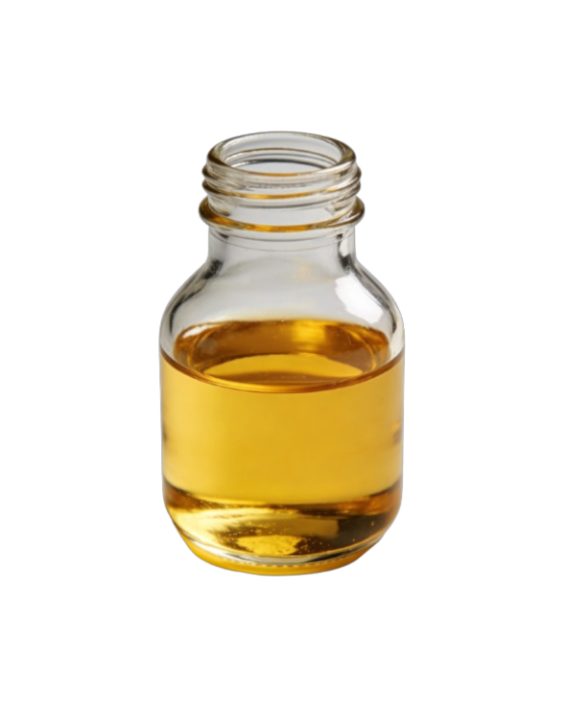
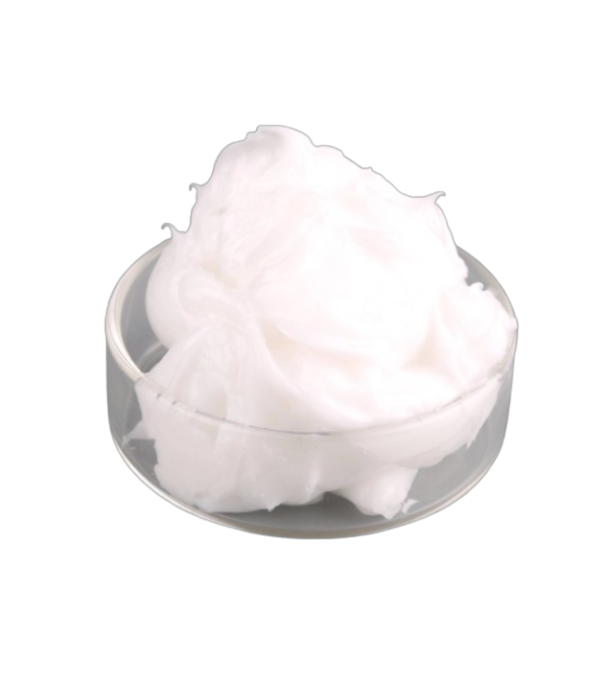
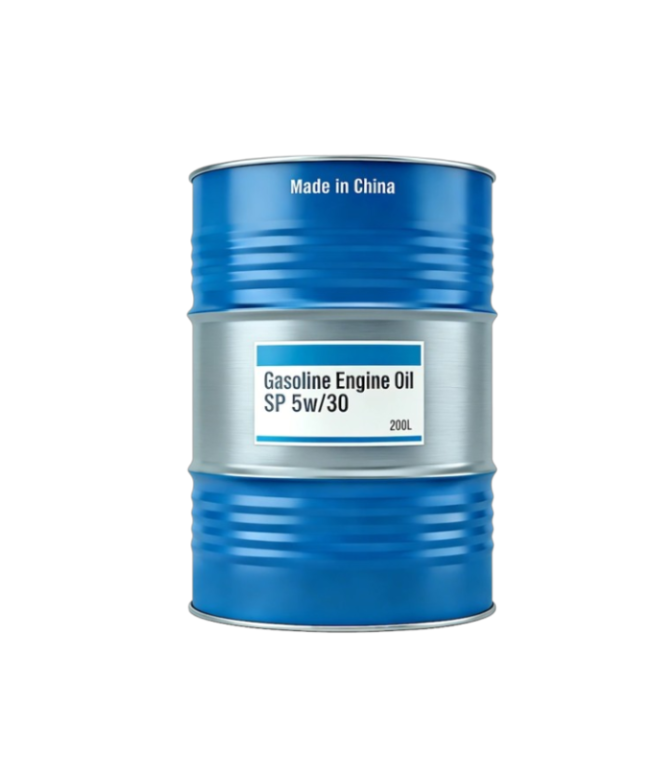
Although medical and industrial lubricants share the same mechanical function of reducing friction between contacting surfaces, they are separated by different regulatory requirements, formulation standards, and biocompatibility obligations.
According to Synthetic Lubricants and High-Performance Functional Fluids, edited by Rudnick and Shubkin (Marcel Dekker, 2nd edition, 1999), the chemical composition of a lubricant’s base fluid and additive package determines its suitability for contact with human tissue, food-contact surfaces, or implantable device components. Toxicological thresholds govern the selection of medical-grade lubricants, which has no parallel in conventional industrial practice.
The U.S. Food and Drug Administration’s regulatory classification under 21 CFR and ISO 10993 (Biological Evaluation of Medical Devices) establishes the framework for testing and documentation within which any lubricant used in a medical device, pharmaceutical manufacturing line, or patient-contact application must be qualified — a standard that the vast majority of industrial lubricants are not designed to meet.
Introduction: Why the Distinction Matters More Than Most Engineers Assume
The term ‘lubricant’ covers a wide range of substances, from food-grade silicone emulsions used on rubber gaskets in pharmaceutical production lines to extreme-pressure gear oils containing sulphurised additives used in steel mill reduction gearboxes. Both reduce friction, but they are not interchangeable. However, the practical difference between these two categories is often misunderstood outside regulatory and formulation engineering circles. This misunderstanding can have serious consequences, such as the contamination of medical devices, non-compliance with FDA regulations in manufacturing facilities, adverse biocompatibility outcomes in clinical settings, and product liability exposure for manufacturers who assumed that ‘food-grade’ and ‘medical-grade’ were interchangeable designations.
The core distinction between medical and industrial lubricants is not primarily one of viscosity, base oil type or physical performance; it is one of regulatory intent, toxicological clearance and application context validation. An industrial lubricant is formulated and selected to maximise mechanical performance within defined operating parameters, such as load, speed, temperature, material compatibility and service interval. In contrast, a medical lubricant must satisfy all of these performance requirements while also demonstrating, through documented testing, that it will not cause cytotoxicity, sensitisation, systemic toxicity or genotoxicity when it comes into contact with human tissue, is present in trace quantities in a pharmaceutical product or migrates through the polymer components of an implantable device. Understanding this precise distinction is essential for design engineers, procurement specialists, quality managers and regulatory affairs professionals working at the intersection of mechanical engineering and life sciences.
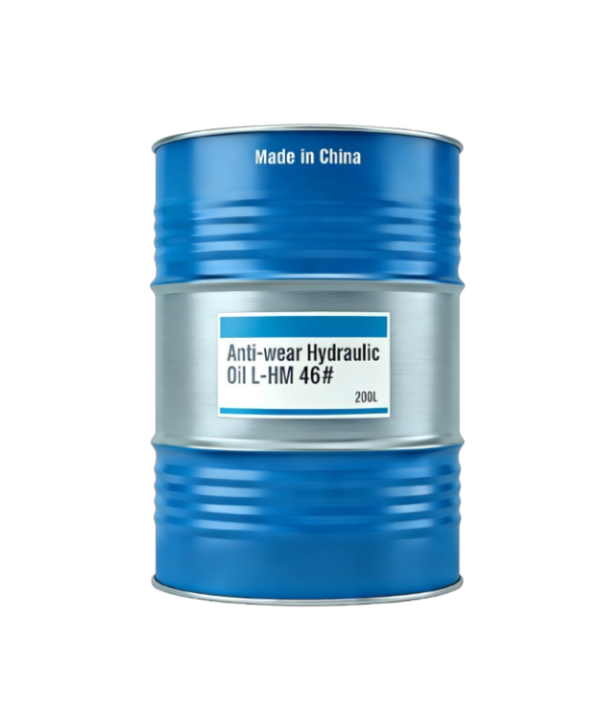
Regulatory Frameworks: The Foundational Divide
The most straightforward way to understand the difference between medical and industrial lubricants is to examine the regulatory frameworks that govern each category, as these define the criteria that each lubricant must meet to be approved for use.
In most jurisdictions, industrial lubricants are primarily governed by performance standards — specifications set by the American Society for Testing and Materials (ASTM), the American Petroleum Institute (API), and ISO Technical Committees (particularly ISO/TC 28 for petroleum products and related lubricants). Approval systems from engine and equipment manufacturers (OEMs) also play a role. These standards define viscosity grades, oxidation stability thresholds, foam suppression, wear protection under standardised test conditions and compatibility with specific seal materials. Industrial lubricant standards do not require compounds to be evaluated for mammalian cytotoxicity, systemic toxicity in animal models or sensitisation potential, because it is assumed that trained personnel will handle the lubricant in an occupational setting with appropriate engineering controls and that the product will not come into contact with a patient’s bloodstream, reproductive tissue or a dose of injectable medication.
By contrast, medical lubricants operate under a layered regulatory structure that begins with ISO 10993 (Biological Evaluation of Medical Devices, a multi-part series). This specifies the biological safety testing required for any material — including lubricants — that comes into contact with, or forms part of, a medical device. In the United States, lubricants used in pharmaceutical manufacturing equipment that come into contact with drug products or containers are subject to FDA 21 CFR Part 178.3570, which lists permitted substances for incidental food contact in food processing and is often used as a proxy standard for pharmaceutical incidental contact. For higher-exposure applications, they are also subject to full FDA premarket review pathways. In Europe, the EU Medical Device Regulation (MDR 2017/745) governs the biocompatibility requirements for all materials in contact with patients via a medical device. The technical file must document lubricant selection and change control. Underlying all these frameworks is the principle that the chemical composition of a lubricant must be fully declared and traceable to known safe substances at relevant exposure levels. It must also be validated against recognised biocompatibility endpoints before the lubricant is permitted in a patient-risk context.
Formulation and Base Chemistry: Where the Differences Are Built In
The performance-first design philosophy of industrial lubricants and the safety-first design philosophy of medical lubricants produce measurably different formulations, even when the mechanical functions being lubricated are superficially similar.
Industrial lubricants most commonly use mineral base oils refined from petroleum fractions — Group I through Group III base stocks per API Base Oil Interchangeability Guidelines — supplemented by additive packages that typically include zinc dialkyldithiophosphate (ZDDP) for antiwear and antioxidant function, sulfurized extreme-pressure additives, detergent-dispersant packages for engine applications, and friction modifiers. These additives are highly effective at their intended mechanical function and are cost-optimized for large-volume industrial use. However, ZDDP has established mammalian toxicity in high-dose exposure scenarios; many EP (extreme-pressure) sulfur-phosphorus additives are classified as environmental hazards; and detergent packages based on calcium or magnesium sulfonates are not formulated for biocompatibility. The additive chemistry that gives industrial lubricants their superior load-bearing and oxidation-resistant properties is, in many cases, specifically disqualified for medical applications precisely because of its biological activity.
Medical-grade lubricants are built from a fundamentally restricted ingredient palette. The most widely used base materials include highly refined white mineral oils meeting USP (United States Pharmacopeia) or BP (British Pharmacopoeia) standards — which require stringent purification to eliminate polynuclear aromatics (PNAs) and other potentially carcinogenic residuals — pharmaceutical-grade silicone fluids (polydimethylsiloxane, or PDMS), polyethylene glycol (PEG) polymers, hyaluronic acid derivatives for device-tissue interface applications, and synthetic perfluoropolyether (PFPE) fluids for applications requiring chemical inertness and thermal stability without organosilicone chemistry. Crucially, the additive chemistry in medical lubricants is minimized by design: where an industrial lubricant might contain 15–25% additive by weight, a medical lubricant often uses 1–5% or less, relying on the intrinsic properties of the base fluid to deliver the required performance, because each additional chemical constituent is a potential source of cytotoxicity, sensitization, or extractable/leachable contamination in the final device or product.
Comparative Overview: Medical vs. Industrial Lubricants
| Primary regulatory framework | ISO 10993, FDA 21 CFR, EU MDR 2017/745 | ASTM, API, ISO/TC 28, OEM specs |
| Typical base fluid | USP white mineral oil, silicone (PDMS), PEG, PFPE | Group I–III mineral oil, PAO, ester, naphthenic |
| Additive loading | Minimal (1–5% by weight, biocompatible only) | High (10–25% by weight; ZDDP, EP, detergents) |
| Biocompatibility testing required | Yes — cytotoxicity, sensitization, systemic toxicity (ISO 10993-5, -10, -11) | Not required |
| Full ingredient disclosure required | Yes — extractables/leachables profile mandatory | Not typically required |
| Typical viscosity range | ISO VG 10–460 (application-dependent) | ISO VG 2–3200 (full industrial range) |
| Regulatory approval pathway | FDA premarket review / CE technical file / USP compendial testing | Performance certification (ASTM, API) |
| Trace contamination threshold | Sub-ppm, regulated by permitted daily exposure (PDE) | Occupational exposure limits (OEL), not PDE-based |
| Color/appearance | Typically colorless, odorless, USP-grade | May contain dyes, odor modifiers, fluorescent tracer additives |
| Documentation requirement | Full material qualification, change control, traceability | Product data sheet, safety data sheet (SDS) |
Performance Priorities: Divergent Optimization Targets
Understanding that medical and industrial lubricants are optimized for different primary objectives explains most of the formulation differences described above. Industrial lubricants are designed to maximize a specific set of mechanical performance metrics — extreme-pressure load capacity, oxidative stability at high temperatures, demulsibility, foam control, and corrosion inhibition — because the equipment they protect represents capital assets whose failure modes are measured in repair cost, downtime, and production loss. The performance hierarchy in industrial lubricant selection places mechanical protection first, and chemical safety is addressed through occupational safety frameworks (proper storage, handling PPE, SDS compliance) rather than through the formulation itself.
Medical lubricants operate under a different optimization priority. The primary requirement is not maximum load capacity or minimum coefficient of friction per se — it is that the lubricant delivers adequate mechanical function at the minimum chemical complexity necessary to ensure biological safety at the intended exposure level. A silicone-based catheter lubricant, for example, does not need to pass a four-ball EP test; it needs to reduce insertion force across a defined surface geometry by a specified percentage without causing urethral mucosal irritation, without leaching extractable compounds into surrounding tissue at concentrations exceeding toxicologically derived threshold limits, and without compromising the sterility assurance of the catheter packaging environment. The performance specification for a medical lubricant is always bounded by the biological safety envelope first, and then the mechanical performance parameters are addressed within that envelope — the reverse of the industrial priority hierarchy.
This inversion of priority hierarchy also explains why medical lubricants frequently command price premiums of 5x–50x over functionally comparable industrial lubricants: the raw material cost of USP-grade white mineral oils, pharmaceutical silicones, and PFPEs is substantially higher than commodity industrial base stocks, and the qualification costs — biocompatibility testing per ISO 10993, extractables and leachables profiling, change control documentation, and regulatory submission preparation — add further cost that is amortized across a typically smaller production volume than industrial lubricant equivalents.
Application Zones and Contact Classifications
A structured way to navigate lubricant selection at the medical-industrial boundary is to apply a contact classification framework. Both ISO 10993 and the FDA biocompatibility guidance (2016 update, “Use of International Standard ISO 10993-1”) classify device-tissue contact by nature of contact (surface, external communicating, implanted) and duration of contact (limited: ≤24 hours; prolonged: 24 hours to 30 days; permanent: >30 days). Lubricants used at each level of this classification must satisfy progressively more extensive biocompatibility testing.
The practical consequence for lubricant selection is that not all “medical-grade” lubricants are equivalent — a lubricant qualified for incidental contact with intact skin surface (the lowest risk category) is not automatically qualified for use on a blood-contacting catheter or an implantable joint component (the highest risk category). Industrial lubricants, regardless of their technical performance properties, are disqualified from all patient-contact categories because they lack the biocompatibility documentation that every level of this classification requires.
Application Zone Reference Matrix
| External medical device (skin surface) | Surface / Limited | USP white mineral oil, medical silicone | Diagnostic probe couplant, skin-contact gel |
| Surgical instrument lubrication (autoclavable) | External communicating / Prolonged | Surgical instrument milk (silicone or non-mineral), PTFE-based | Instrument lubrication spray, hinge lubricant |
| Catheter/endoscope surface | External communicating / Prolonged | Hydrophilic polymer coating, medical-grade silicone | Catheter insertion gel, endoscope lubricant |
| Drug delivery device (piston seal, pump) | Internal / Drug-contacting | USP PDMS, PFPE, validated PEG | Syringe plunger lubricant, prefilled syringe silicone |
| Implantable device bearing surface | Implant / Permanent | Crosslinked UHMWPE, ceramic-ceramic dry contact, synovial fluid analogue | Orthopedic joint implant, spinal disc prosthesis |
| Pharmaceutical equipment (incidental contact) | Food/drug-contact surface | NSF H1 or 21 CFR 178.3570 white mineral oil, H1 silicone | Tablet press, filling line, blending equipment |
| Industrial machinery (no product contact) | Non-contact / Industrial zone | Any qualified industrial lubricant | Gearboxes, motors, conveyors, hydraulic systems |
Biocompatibility Testing and Validation: The Qualification Gap
Perhaps the most operationally significant difference between medical and industrial lubricants — beyond the formulation chemistry itself — is the documentation and validation framework that a medical-grade lubricant must carry before it can be used in a qualified application. ISO 10993-1 specifies a risk-based evaluation approach in which the biological safety of any material, including lubricants, is assessed through a combination of chemical characterization and biological testing. The chemical characterization stage — governed by ISO 10993-18 (Chemical Characterization of Medical Device Materials) — requires an extractables and leachables (E&L) study that identifies every chemical entity that can migrate from the lubricant into a simulated use medium under worst-case conditions, followed by a toxicological risk assessment of each identified compound against permitted daily exposure (PDE) thresholds derived from NOAEL (no-observed-adverse-effect level) data.
The biological testing battery for a lubricant in prolonged patient contact will typically include cytotoxicity testing (ISO 10993-5), sensitization testing (ISO 10993-10), systemic toxicity testing (ISO 10993-11), and genotoxicity testing (ISO 10993-3), with implantation or hemocompatibility testing added for higher-risk contact categories. These tests are conducted in accredited laboratories under GLP (Good Laboratory Practice) conditions, and the resulting data must be compiled into a biological safety report that satisfies both the technical requirements of ISO 10993-1 and the regulatory submission requirements of the target market (FDA, EMA, or equivalent). None of this infrastructure exists for industrial lubricants — not because the manufacturers are negligent, but because the regulatory framework for industrial lubricants does not require it and the use-case assumption does not demand it. When an engineer attempts to substitute an industrial lubricant into a medical application because it appears chemically similar, the absence of this documentation is itself a compliance failure, regardless of the lubricant’s actual chemical safety profile.
FAQ: Medical Lubricants vs. Industrial Lubricants — Top Questions Answered
Q1: Can you use industrial lubricants on medical devices?
No. Industrial lubricants are not formulated, tested, or documented to the biocompatibility standards required by ISO 10993, FDA 21 CFR, or EU MDR 2017/745. Using an industrial lubricant on a patient-contact or drug-contact surface constitutes a regulatory non-conformance and introduces unquantified biological risk from untested additive chemistry and base stock impurities. Medical-grade lubricants must be specifically selected and qualified for their intended application contact category.
Q2: What makes a lubricant “medical grade”?
A medical-grade lubricant is distinguished by three characteristics: it uses a pharmacopeially accepted or fully declared base fluid (such as USP white mineral oil, pharmaceutical-grade silicone, or PFPE), it contains minimal or no additives that cannot be toxicologically justified at the expected exposure level, and it has been tested and documented for biocompatibility per ISO 10993 at the relevant contact category and duration. Designation as “medical grade” must be supported by actual biocompatibility test data, not simply a supplier’s marketing claim.
Q3: Is NSF H1 lubricant the same as a medical lubricant?
NSF H1 certification indicates that a lubricant is approved for incidental food contact in food processing environments under U.S. FDA 21 CFR 178.3570 criteria. While NSF H1 lubricants use food-safe base fluids and are commonly used in pharmaceutical manufacturing equipment that incidentally contacts drug products, they are not automatically equivalent to medical-grade lubricants qualified under ISO 10993. Higher-risk medical applications — such as catheter lubrication, blood-contacting device surfaces, or implantable components — require a full ISO 10993 biocompatibility evaluation that NSF H1 certification does not provide.
Q4: What base oils are used in medical lubricants?
The most common base materials in medical lubricants are USP- or BP-grade white mineral oils (highly refined petroleum fractions meeting pharmacopeial purity standards), polydimethylsiloxane (PDMS) silicone fluids in pharmaceutical or medical grades, polyethylene glycol (PEG) polymers, and perfluoropolyether (PFPE) synthetic fluids for demanding chemical-inertness applications. Hyaluronic acid and carboxymethylcellulose (CMC)-based formulations are used specifically for ophthalmic, joint injection, and wound-interface applications where bioactivity and tissue integration are design objectives.
Q5: Why are medical lubricants more expensive than industrial lubricants?
The price premium of medical lubricants — typically 5x–50x over comparable industrial grades — reflects three cost drivers: higher rawmaterial costs for pharmacopeial-grade base fluids and biocompatible additives, the qualification investment (ISO 10993 biocompatibility testing, extractables and leachables studies, regulatory documentation) amortized over smaller production volumes, and the supply chain control requirements (traceability, change notification obligations, certificate of analysis for each lot) that medical-grade designation imposes on manufacturers. These costs are a regulatory and safety necessity, not an arbitrary price premium.
Q6: How do I select the right lubricant for a medical device application?
Lubricant selection for a medical device application begins with three determinations: the contact category (surface, external communicating, or implanted) and duration of contact (limited, prolonged, or permanent) per ISO 10993-1, which defines the minimum required biocompatibility testing; the specific chemical compatibility requirements of the device materials and any drug or biological product the lubricant may contact; and the regulatory market requirements of the target jurisdiction (FDA, EMA, etc.) that will govern the documentation standards for the technical file or premarket submission. From these three parameters, a qualified lubricant supplier with medical device market experience can specify candidate lubricants with existing biocompatibility data packages, significantly reducing both the qualification timeline and cost.
Conclusion
The differences between medical and industrial lubricants are not merely a matter of degree; they reflect different regulatory obligations, formulation philosophies and risk management frameworks that have evolved in parallel for different applications. Industrial lubricants are performance-optimised, additive-rich formulations designed to protect capital equipment under demanding mechanical operating conditions. They are qualified by engineering performance standards and have no biocompatibility requirements. In contrast, medical lubricants are safety-bounded formulations that use fully declared or pharmacopeial base chemistries.
They are minimised in terms of additive complexity and are rigorously qualified through ISO 10993 and jurisdiction-specific regulatory pathways. This demonstrates that they will not cause biological harm at the levels of exposure to which patients will be subjected during their intended use. For engineers, procurement professionals and quality managers working across both fields, the most important operational principle is this: two lubricants with similar viscosity, appearance or base oil chemistry are not functionally equivalent when the regulatory and safety requirements of a medical application are in force. Only documented biocompatibility qualification establishes equivalence, and this documentation distinguishes a medical lubricant from all other products.